Understanding the Evolution of Virtual Light
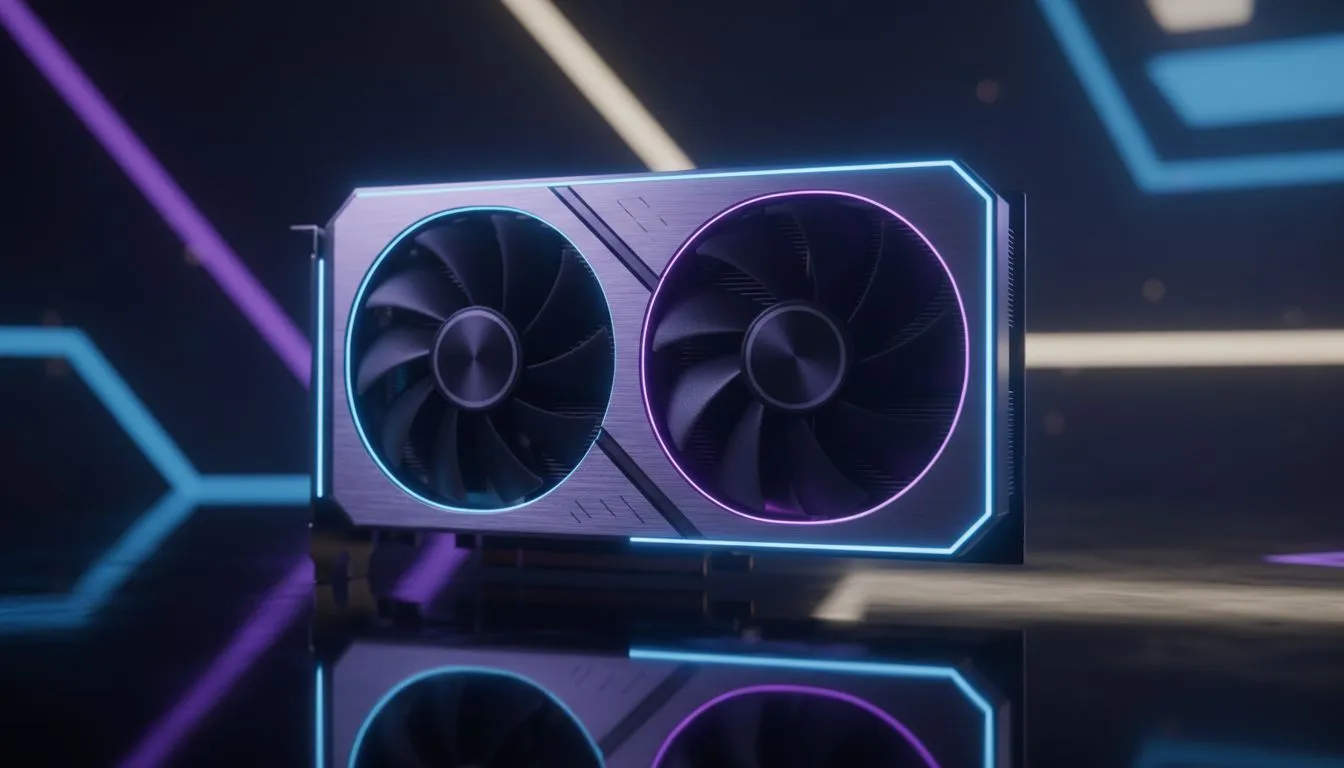
Ever wondered why Cyberpunk 2077 looks so different on a high-end rig? It comes down to how light behaves in your virtual world. Whether you are chasing reflections or full realism, understanding Path Tracing vs Ray Tracing is vital. South African gamers want the best visuals without breaking the bank. Let’s dive into how these technologies control lighting and which GPU fits your budget. ✨
The Fundamentals of Ray Tracing
Ray Tracing is the modern standard for realistic gaming. It works by tracing individual rays of light from the camera to the objects in a scene. This allows for accurate shadows... realistic reflections... and better ambient occlusion. Most gamers looking to upgrade will start by browsing the latest nvidia-ati-graphics-cards-21 to find a balance between performance and visual fidelity.
Unlike older rasterization methods, Ray Tracing does not "fake" lighting. It calculates where light should bounce... but it only does so for specific effects. This keeps the performance cost manageable for mid-range systems. If you want a reliable card that handles these tasks with ease, many gamers opt for MSI graphics cards because of their superior cooling and clock speeds. 🔧
Moving to the Next Level with Path Tracing
If Ray Tracing is a surgical strike, Path Tracing is a carpet bomb of realism. Often called "Full Ray Tracing," this method simulates the physics of light for every single pixel. It calculates infinite bounces across every surface in a scene. The result is a level of photorealism that was once reserved for Hollywood movies.
However, this comes at a massive performance cost. Path Tracing requires immense raw power and clever AI upscaling to run smoothly. While gamers love the eye candy, professionals also require this technology for high-end rendering. For those building a professional rig in South Africa, our selection of workstation graphics cards offers the stability needed for such intensive tasks.
Performance Pro Tip ⚡
When enabling Path Tracing in titles like Alan Wake 2, always turn on DLSS or FSR Frame Generation. These AI-driven tools help maintain a smooth 60 FPS by generating extra frames, allowing you to enjoy elite lighting without the stutter. This is especially helpful if you are playing at 1440p or 4K resolutions.
Choosing the Right Hardware for Lighting Control
Not every gamer needs to max out every setting. If you are looking for great value in the current market, the entry of new players has helped lower prices. You can now find Intel Arc graphics cards that offer surprisingly good Ray Tracing performance for their price point in ZAR. 🚀
For those who prefer the traditional powerhouse approach, Team Red remains a top contender. You can buy AMD Radeon graphics cards to get massive VRAM pools... which is essential when loading high-resolution textures alongside complex lighting data. AMD’s continuous driver updates have significantly improved their ray-tracing capabilities over the last year.
Summary of Lighting Technologies
The choice between Path Tracing vs Ray Tracing depends on your hardware and your goals. Ray Tracing is perfect for a balanced experience... while Path Tracing is for those who want the absolute cutting edge. No matter your choice, modern GPUs are making these once-impossible visuals a reality for South African enthusiasts. ⚡
Ready to Find Your Perfect Match?
The Path Tracing vs Ray Tracing debate is complex, but for maximum power, choice, and value in South Africa, a dedicated GPU is hard to beat. Explore our massive range of graphics card specials and find the perfect machine to conquer your world.