PCIe 4.0 x8 Workstation GPU Optimisation for Stability
If your workstation feels quick one day and twitchy the next, the bus link may be part of the story. South African creators, engineers, and 3D users often chase bigger GPUs, then overlook slot configuration, thermals, and lane limits. A well-tuned PCIe 4.0 x8 setup can still deliver excellent stability... if the rest of the system is balanced. Let’s look at what actually matters 🔧
PCIe 4.0 x8 Workstation GPU Optimisation for Bandwidth Reality
PCIe 4.0 x8 offers enough throughput for many professional workloads, especially when the GPU is not constantly shuttling huge datasets over the bus. According to PCI-SIG specifications, PCIe 4.0 doubles bandwidth per lane versus PCIe 3.0, which is why a modern x8 link can behave very differently from older hardware. In practical terms, the bottleneck is often not the slot width alone, but poor airflow, unstable power, or an ageing board.
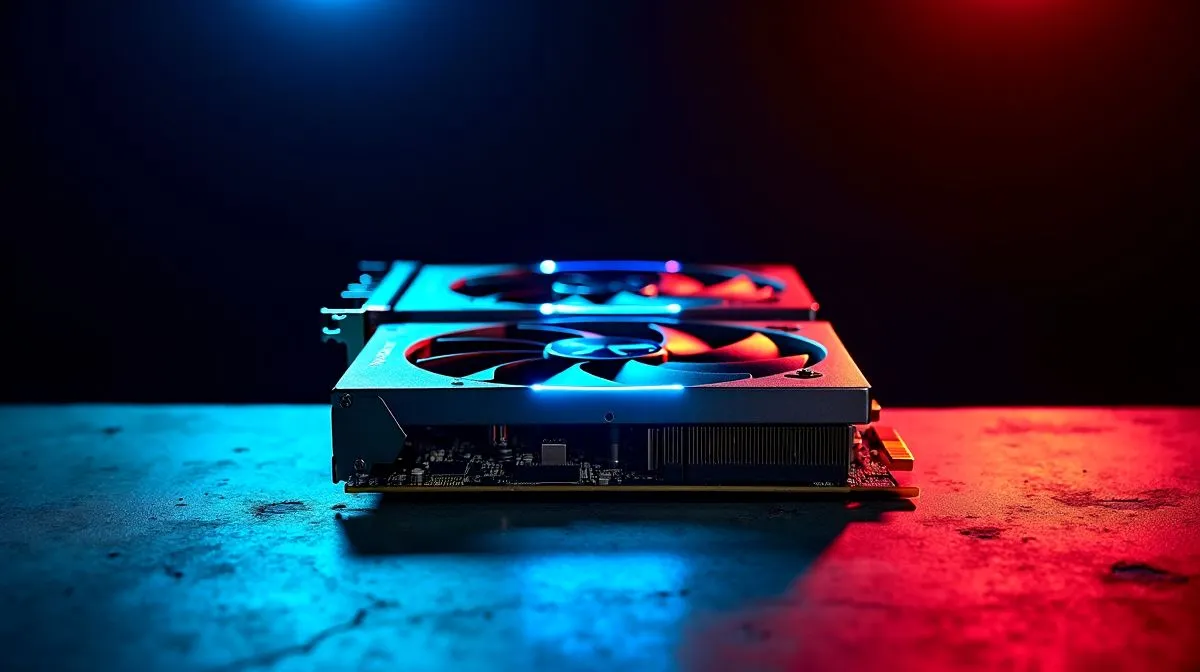
That is why workstation buyers should match the card to the workload. If you need a broad view of current options, start with Evetech’s graphics cards range. If you prefer a specific brand line-up, browse the MSI graphics cards selection. For specialist builds, the workstation graphics cards category is the safer place to begin.
Why x8 can still be stable
A workstation does not need maximum theoretical bandwidth to remain dependable. Many production tasks lean more on GPU compute, VRAM capacity, and driver quality than on raw bus width. That is why a tuned x8 card can be preferable to a poorly cooled x16 card that throttles under load.
PCIe 4.0 x8 Workstation GPU Optimisation for Drivers and Cooling
Stability usually starts with the basics. Update BIOS only when needed. Install the latest trusted drivers. Make sure the card has enough clean airflow, because heat is a frequent cause of crashes and strange performance dips. In South African summer conditions, this matters even more.
Keep your case filters clean. Check that your PSU has headroom. Then test with the software you actually use. A renderer, CAD package, or AI workflow can behave very differently from a benchmark.
Stability Pro Tip ⚡
Before blaming the GPU, test your workstation with one change at a time. Lock the system to stock settings, run your normal project, and watch temperatures, fan curves, and driver behaviour. Small, controlled checks are the fastest way to find instability.
PCIe 4.0 x8 Workstation GPU Optimisation for Smart Buying
If your work leans toward mixed creative and productivity tasks, compare card classes carefully. Intel users may want to review the Intel Arc graphics cards range, while AMD-focused buyers can compare the AMD Radeon graphics cards range. Each platform has strengths, but the best choice is the one that stays stable in your exact workflow.
Think in terms of total system balance, not just headline specs. A well-matched motherboard, a decent cooler, and a reliable PSU often deliver more real-world value than chasing a larger lane count you will never fully use. That is especially true when prices in South Africa can shift quickly.
PCIe 4.0 x8 Workstation GPU Optimisation for Better Results
A local freelancer once swapped to a stronger GPU, then kept the old power supply and cramped case. The result? Random freezes during exports. The fix was not exotic. Better airflow, a stronger PSU, and a cleaner driver setup solved it. Sometimes stability is simply the boring stuff done well ✨
If you are building now, choose the card that fits your workload and your budget. Then support it properly. That is how a PCIe 4.0 x8 workstation earns trust day after day.
Ready to Find Your Perfect Match? The Mac vs Windows debate is complex, but for maximum power, choice, and value in South Africa, Windows is hard to beat. Explore our massive range of laptop specials and find the perfect machine to conquer your world.