

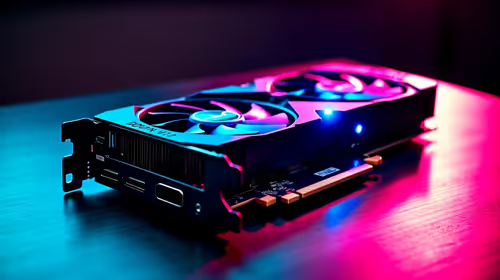
RTX 4060 Ti Throttling Under Load: SA Temperature Guide
RTX 4060 Ti Throttling Under Load: Temperature. Everything you need to know with SA pricing, step-by-step instructions & expert recommendations.
Read moreDiscover why a premium portable projector outperforms budget alternatives. We break down brightness, smart features, and image quality to help you decide if an upgrade is worth the investment for your home cinema experience. 📽️✨
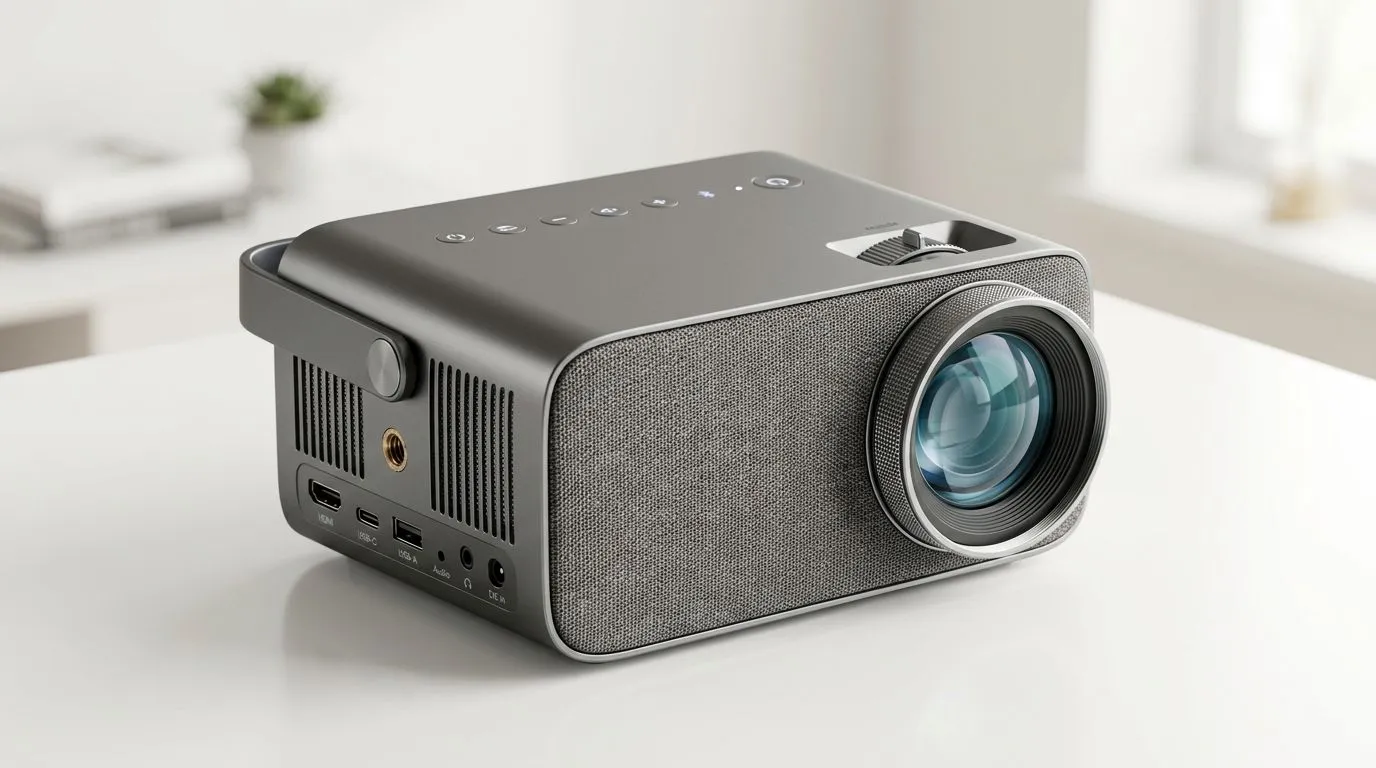
If you’ve ever tried to game with lights on… you already know the pain. A portable projector can turn a living room or student setup into a movie night or a casual sports watch-party. But the jump from “cheap and cheerful” to “actually impressive” is bigger than most people expect. ⚡ This guide breaks down the Premium Portable Projector vs Budget: Key Differences Explained so you can spend your ZAR with confidence, whether you’re buying for FIFA sessions, Netflix weekends, or presentations at home.
Most buyers compare price tags first. Smart. But the real differences show up in four areas: brightness, resolution, optics/lens quality, and connectivity. ✨
Budget models often list a high number of “lumens”, but the picture can still look washed out in a typical South African lounge with daylight. Premium portable units tend to maintain brightness better across settings, so whites stay crisp and blacks look deeper. What to do before you buy: if you’ll use it in evenings only, you can get away with lower brightness. If you want daytime use, you should prioritise higher brightness and a better contrast performance.
Resolution affects how readable details look, especially for UI-heavy content like menus and scoreboards. Many budget projectors rely on lower native resolution, which can make text and small game elements blur. Premium options more often target cleaner, more stable images, even when you move the projector around.
A portable projector’s throw distance and zoom options change your setup experience. If you’re working with a small room, a model with more flexible placement options can save you from constant re-positioning.
Colour and contrast are where premium models usually feel more consistent. In dark scenes, poor contrast can turn everything grey. Better contrast keeps visuals separated, which is especially noticeable with action games and high-contrast scenes. 🎮
Let’s make this practical. Here are the moments you’ll actually feel in use:
You unbox, set it up, and everything looks fine in a dim room. Then you invite friends over and someone wants to read the subtitles. Or you switch from streaming to a console and suddenly the image feels soft or inconsistent. That’s usually not your imagination. It’s often optics, processing, and how well the projector handles different input sources.
Budget units can be louder because smaller cooling designs have to work harder. Premium models often manage thermals more efficiently. If you’ll use it for long sessions, noise can matter as much as picture quality.
For gaming, connectivity options matter. Make sure the projector supports the inputs you’ll use (like HDMI). If your projector connects indirectly, you may add complexity, and that can affect your experience.
Best practice: plan your cables and placement first. If you’re projecting from a distance, choose a projector that supports your room geometry without forcing awkward angles.
you test a projector for daily use, run a quick “wall calibration” check: set a high-contrast image (like a sports score graphic or a dark movie scene), then adjust keystone and focus until the text edges look crisp. Do this before you commit to a full setup, because keystone correction and focus quality can make the difference between “usable” and “wow” on day one.
If you want options without guessing, start by looking at curated selections. You can browse portable projector listings and filter based on your budget ceiling, then compare models side by side.
Before you pay, confirm:
If you can answer those five points, you’ll naturally land on either a premium portable unit or a budget model that feels “right”.
Use this rule of thumb:
And remember… the best projector is the one you’ll actually set up. If a premium model prevents frustration with focus, contrast, and placement, it often earns its spot fast.
Ready to Find Your Perfect Match? The Mac vs Windows debate is complex, but for maximum power, choice, and value in South Africa, Windows is hard to beat. Explore our massive range of laptop specials and find the perfect machine to conquer your world.
Premium models offer higher peak brightness (measured in ANSI lumens), advanced autofocus, keystone correction, and superior built-in smart operating systems.
Cheap projectors are suitable for casual, dark-room use, but they often lack the brightness, color accuracy, and reliable connectivity found in premium units.
Yes, a premium portable projector typically offers native 1080p or 4K resolution, ensuring crisp text and detailed images compared to the lower resolution of budget models.
Always look for ANSI lumens rather than generic 'LED lumens.' Premium projectors provide higher ANSI ratings for better visibility in semi-lit environments.
Yes, high-end models prioritize power efficiency and larger internal batteries to support full-length movies without needing a constant power source.
Built-in smart platforms allow you to stream Netflix or YouTube directly without external dongles, a convenience feature rarely found in budget projectors.
RTX 4060 Ti Throttling Under Load: Temperature. Everything you need to know with SA pricing, step-by-step instructions & expert recommendations.
Read more
Apex Legends Max Settings on RTX 4080. Tested & verified settings for best FPS and visual quality on SA hardware budgets.
Read more
GPU Buying Guide. Everything you need to know with SA pricing, step-by-step instructions & expert recommendations.
Read more
GPU Terms Guide. Everything you need to know with SA pricing, step-by-step instructions & expert recommendations.
Read more
AMD Adrenalin Download & Setup Guide: GPU. Clear setup instructions with SA-specific considerations, troubleshooting tips & recommended components.
Read more
Back-to-School GPU Buying Guide. Everything you need to know with SA pricing, step-by-step instructions & expert recommendations.
Read more
Can RTX 4080 Super Run AI Workloads for SA Developers Detailed answer with SA data, expert analysis & practical recommendations for local buyers.
Can RTX 4090 Run AI Workloads for SA Developers Detailed answer with SA data, expert analysis & practical recommendations for local buyers.
Top Settings for Intel Arc B580 at Ultrawide 1440p picks evaluated on performance, value & SA availability with current Rand pricing from Evetech.
RX 7600 Overclocking Guide: Safe OC Settings for. Real-world benchmark data, FPS numbers & performance analysis. What SA gamers can actually expect.

RTX 4060 CS2 Low Settings at 1080p: FPS Results. Real-world benchmark data, FPS numbers & performance analysis. What SA gamers can actually expect.

Visual Artifacts: Possible GPU Issue Issue #1. Diagnosis steps, proven fixes & when to seek professional help. SA-specific support info included.
Can the RTX 4090 Handle 1440p 144Hz Gaming. Performance testing verdict with real data & practical recommendations for SA buyers.

Top ASUS GPU Under R15000 picks evaluated on performance, value & SA availability with current Rand pricing from Evetech.
RTX 4060 Ti Throttling Under Load: Temperature. Everything you need to know with SA pricing, step-by-step instructions & expert recommendations.
Apex Legends Max Settings on RTX 4080. Tested & verified settings for best FPS and visual quality on SA hardware budgets.
GPU Buying Guide. Everything you need to know with SA pricing, step-by-step instructions & expert recommendations.
GPU Terms Guide. Everything you need to know with SA pricing, step-by-step instructions & expert recommendations.