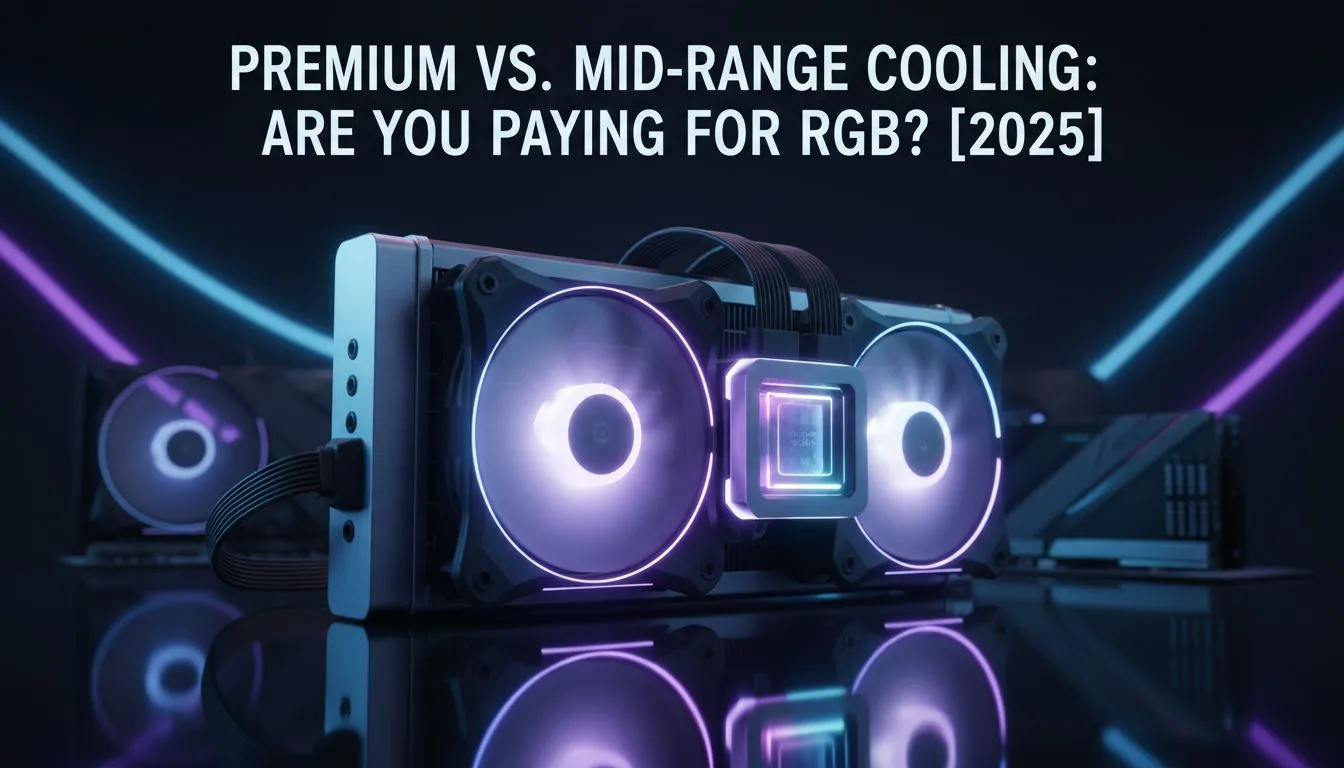
You’ve meticulously planned your new PC build. The GPU is a beast, the CPU is ready to tear through games. You eye the CPU cooler... a flashy liquid cooler costs thousands, while a solid air cooler is a fraction of that. Is the difference just pretty lights? This is the core of the premium vs mid-range cooling debate, and we’re here to find out if you’re just paying for RGB. ✨
What Defines Mid-Range Cooling? The Workhorse of Most Builds
Before we talk premium, let's appreciate the unsung hero of countless South African gaming rigs: the mid-range cooler. These are typically robust air coolers with three to five heat pipes, or entry-level 120mm/240mm All-In-One (AIO) liquid coolers. Their mission is simple: provide significantly better thermal performance than the stock cooler that came with your CPU, without breaking the bank.
For most gamers running Ryzen 5/7 or Intel Core i5/i7 processors at stock speeds or with a mild overclock, a mid-range cooler is the sweet spot. It offers fantastic performance-per-Rand, keeping your CPU well within safe temperature limits during those intense Warzone drops or Apex Legends final circles. The focus here is pure function, delivering reliable cooling that lets your components perform as they should.
The Jump to Premium Cooling: More Than Just Lights
So, what do you get when you spend more? Is a premium cooler just a mid-range model with a rainbow attached? Absolutely not. While aesthetics are a big part of the appeal, the real difference in the premium vs mid-range cooling showdown lies in the engineering.
Premium coolers use superior materials and more advanced designs. You’ll find denser fin stacks, more copper heat pipes, and perfectly flat, nickel-plated contact plates that improve heat transfer from the CPU. The fans are a huge upgrade too, often featuring fluid dynamic bearings for quieter operation and longer lifespans. They are optimised for high static pressure, which is crucial for forcing air through a dense heatsink or radiator.
For those pushing the limits, high-end liquid cooler (AIO) options take this even further with more powerful pumps and larger radiator surfaces, like the massive 360mm radiator AIOs, designed to dissipate serious heat from top-tier processors.
Cooling Pro Tip 🔧
't forget about case airflow! The world's best CPU cooler can't work properly if it's just recycling hot air. Ensure you have a clear airflow path: intake fans at the front or bottom, and exhaust fans at the back or top. A simple R200 case fan can sometimes drop CPU temps more than you'd think.
Performance vs. Aesthetics: Finding Your Sweet Spot
This is where you need to be honest about your needs. A premium cooling solution becomes a necessity, not a luxury, under specific conditions. Are you planning to overclock a Core i9 or Ryzen 9 CPU to squeeze out every last drop of performance? Then yes, you need the thermal headroom that a top-tier cooler provides. Do you work in a hot room without air-con and need to combat high ambient temperatures? Again, premium is the way to go.
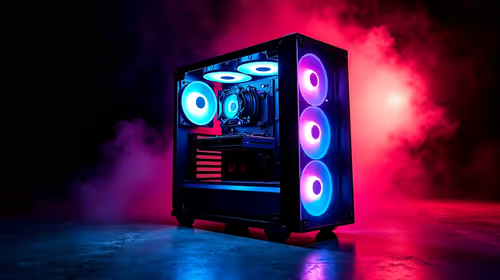
Brands known for premium performance, like Corsair, invest heavily in creating efficient and quiet cooling systems. The extra cost covers not just the hardware, but the sophisticated software that allows you to control fan curves and lighting, creating a build that is both cool and coordinated. And let's be real... a stunning, RGB-synced build is a piece of art. If aesthetics are a priority for your dream machine, the premium price is often justified. 🚀
The Verdict: Is Premium Cooling Worth the Extra Randelas?
So, should you splash the cash? The answer to the premium vs mid-range cooling question depends entirely on you.
- Go Mid-Range if: Your primary goal is value. You're running a mid-tier CPU, you're not planning extreme overclocks, and you'd rather put that extra R1,500 toward a better GPU or more storage.
- Go Premium if: You're an enthusiast pushing a high-end CPU to its absolute limit, you demand whisper-quiet operation, or you are crafting a showpiece PC where visual appeal is just as important as raw power.
Ultimately, both categories of CPU coolers have their place. The key is to match the cooler to the CPU and your personal goals. Don't overspend if you don't need to, but don't bottleneck a monster CPU with an inadequate cooler either.
Ready to Beat the Heat?
The premium vs mid-range cooling debate comes down to your build, your budget, and your goals. Whether you need a silent workhorse or a high-performance, RGB-lit beast, we've got the perfect solution. Explore our massive range of CPU coolers and keep your rig frosty.