Mzansi gamers, ever felt that sting of lag when the action heats up? Or wondered if your graphics card is truly pulling its weight? Choosing the right GPU is crucial, and when it comes to the popular RTX 4060 Ti, there's a big question on everyone's mind: does the extra 8GB of VRAM in the 16GB model truly make a difference over its 8GB sibling? Let's decode the memory impact and see which one offers the best value for your hard-earned rands.
The RTX 4060 Ti VRAM Conundrum: 8GB or 16GB?
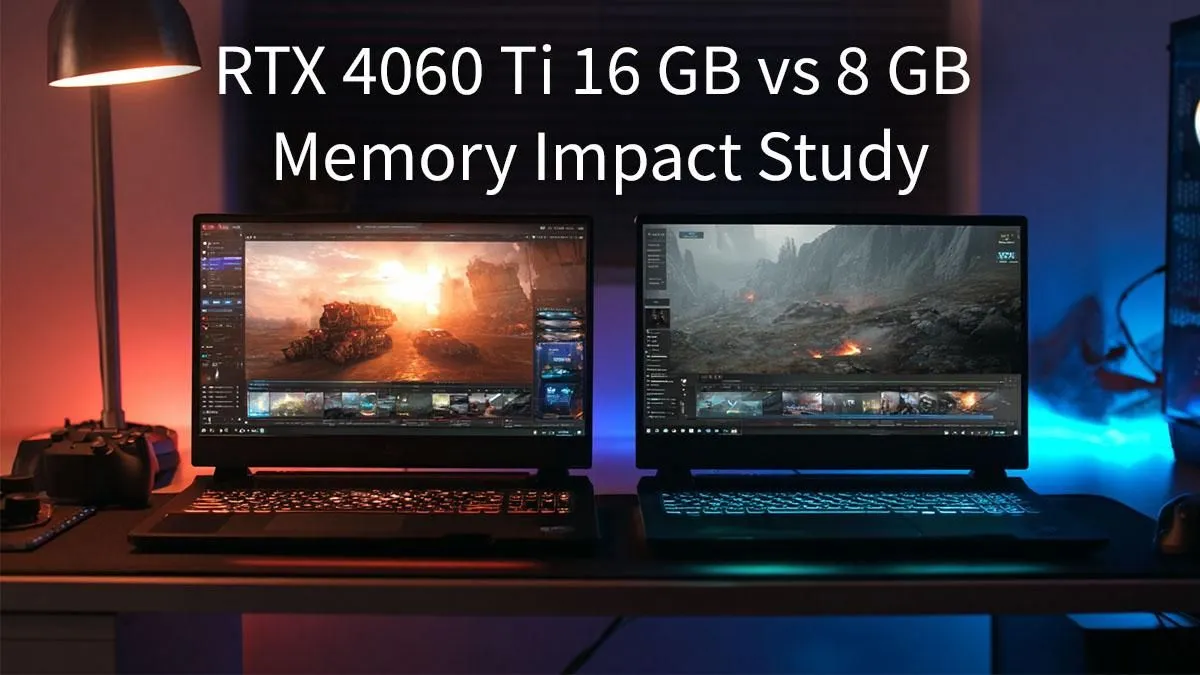
When NVIDIA launched the RTX 4060 Ti, the tech world buzzed. A fantastic card for 1080p and decent 1440p gaming, it quickly became a go-to for many. But then came the 16GB variant, sparking a heated debate: is the extra VRAM worth the price premium? For South African gamers, where every cent counts, understanding the real-world implications of this memory difference is key to making an informed purchase. We're diving deep into the RTX 4060 Ti 16 GB vs 8 GB: Memory Impact Decoded.
Unpacking the VRAM Difference: What 16GB Really Means
VRAM, or Video Random Access Memory, is essentially your graphics card's dedicated workspace. It stores textures, frame buffers, and other graphical data that the GPU needs to render your games and applications. More VRAM can mean your GPU has more space to load high-resolution assets, preventing stuttering or performance drops, especially in demanding titles.
The RTX 4060 Ti, regardless of its VRAM capacity, shares the same AD106 GPU core, Tensor Cores, and RT Cores. The core difference lies solely in the amount of memory available. While both use a 128-bit memory bus, the 16GB model simply has more physical memory chips. This doesn't inherently make it faster in all scenarios, but it grants it a larger buffer for specific tasks.
Gaming Performance: Where the Rubber Meets the Road
For most 1080p gaming, the 8GB RTX 4060 Ti performs admirably. Many popular titles like CS2, Dota 2, or even Cyberpunk 2077 (with optimised settings) run smoothly. However, as you crank up settings, especially texture quality, or jump to 1440p, the 8GB limit can start to show its age.
Imagine playing a graphically intensive game like Alan Wake 2 or Starfield at 1440p with ultra textures. Industry benchmarks often show the 8GB version hitting its VRAM ceiling, leading to micro-stutters or a noticeable drop in average frame rates when the game tries to offload and reload textures from slower system RAM. The 16GB variant, with its generous VRAM pool, maintains smoother frame times and higher minimum FPS in these specific, VRAM-hungry scenarios. It’s not a massive performance uplift across the board, but for those particular moments, it can be the difference between a fluid experience and a frustrating one. Looking for a powerful machine to handle these demanding titles? Explore Evetech's range of best gaming laptop deals to find your next rig.
Content Creation & Future-Proofing: Beyond Gaming
It's not just about gaming. If you dabble in content creation – video editing, 3D rendering, or even AI tasks – the extra VRAM becomes significantly more relevant. Applications like Blender, DaVinci Resolve, or Stable Diffusion can gobble up VRAM faster than a hungry boerboel devours its supper. For these workloads, the 16GB RTX 4060 Ti offers a tangible advantage, allowing for larger projects, more complex scenes, and faster processing.
Consider the longevity of your investment. While 8GB might be sufficient for many games today, future titles will inevitably push the boundaries of VRAM usage. The 16GB version offers a greater degree of future-proofing, ensuring your GPU remains capable for longer. It's like buying a bakkie with a bigger load bed – you might not always fill it, but it's good to know you can if you need to. Keep an eye on laptop specials for sale in South Africa at Evetech for deals on systems that house these powerful GPUs.
Optimise Your Settings!
Not all games are equal. If you're running an 8GB card, try lowering texture quality settings first. This often has the biggest impact on VRAM usage without a huge visual downgrade, helping you maintain smooth frames.
The South African Gamer's Perspective: Value vs. Performance ✨
For the average South African gamer, the decision often boils down to value for money. The 16GB RTX 4060 Ti typically carries a premium of a few thousand rands over its 8GB counterpart. Is that extra cost justified?
If you primarily game at 1080p and are happy to tweak a few settings in the most demanding titles, the 8GB version remains an excellent, more budget-friendly choice. It delivers fantastic performance for its price point. However, if you're aiming for 1440p, play a lot of new, graphically intensive games, or have aspirations in content creation, the 16GB model offers peace of mind and better long-term viability. It’s about weighing your current needs against future demands and your budget. Sometimes, exploring options like AMD laptops on special can also provide a different perspective on performance per rand.
Making Your Choice: Deciphering the RTX 4060 Ti 16 GB vs 8 GB
So, which one wins the battle of the RTX 4060 Ti 16 GB vs 8 GB: Memory Impact Decoded?
- Go for 8GB if: You're strictly on a budget, game primarily at 1080p, and don't mind adjusting settings in newer, more demanding games. It's a solid performer for its price.
- Opt for 16GB if: You game at 1440p, play a lot of VRAM-heavy AAA titles, engage in content creation, or simply want the most future-proof option within the 4060 Ti family.
Ultimately, both are capable cards, but the 16GB variant offers a buffer that can truly shine in specific scenarios, giving you that extra headroom. Whether you lean towards NVIDIA or prefer the robust offerings from Intel, Evetech has a wide array of Intel laptops on special that might include your next powerhouse.
Upgrade Your Rig, Elevate Your Game! Ready to experience the difference a powerful GPU makes? Don't let VRAM be your bottleneck… Shop the latest NVIDIA RTX GPUs and gaming PCs at Evetech for performance that leaves lag in the dust.