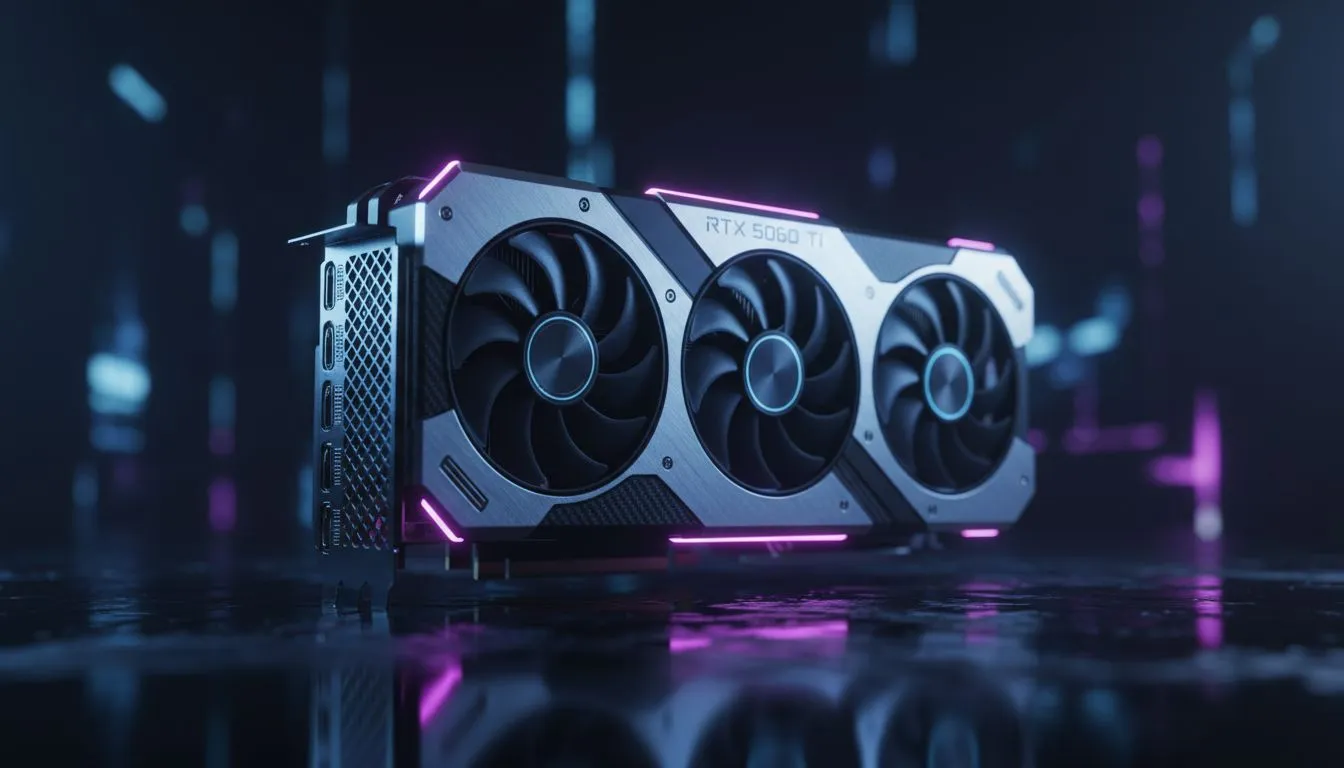
RTX 5060 Ti Interlaced vs Normal: Which Mode Wins for SA Gamers?
South African gamers know the struggle of keeping temps low while chasing high refresh rates. Whether you are playing Warzone or Cyberpunk, choosing between RTX 5060 Ti Interlaced vs Normal rendering can redefine your experience. One offers raw, pixel-perfect clarity... the other provides a clever shortcut to smoother motion. Understanding which mode suits your setup is the key to mastering your mid-range rig. 🚀
Understanding RTX 5060 Ti Interlaced vs Normal Rendering
When you dive into your settings, the choice between RTX 5060 Ti Interlaced vs Normal essentially comes down to how the GPU handles vertical lines. Normal rendering draws every single pixel for every frame... it is the gold standard for crisp edges and visual stability. If you are browsing the latest NVIDIA graphics cards, this is the default experience you expect for 1080p or 1440p gaming.
Interlaced rendering, however, is a technique that alternates which lines are drawn. This reduces the load on your GPU... potentially boosting your frame rates when things get hectic. While it can introduce a slight "shimmer" on fine details, the performance overhead is significantly lower.
Performance Gains: The Case for Interlaced
For many locals, the goal is hitting that 144Hz sweet spot without spending R20,000. Using interlaced modes on MSI graphics cards can help maintain high FPS during intense firefights. This is particularly useful if you are trying to push a 4K display on mid-range hardware. ⚡
The RTX 5060 Ti Interlaced vs Normal debate is often settled by your monitor size. On a smaller 24-inch screen, the loss of detail in interlaced mode is barely noticeable. On a massive 32-inch panel, however, you might start to see the gaps in the image.
Performance Pro Tip ⚡
If you find the RTX 5060 Ti Interlaced mode too blurry, try adding a 10% sharpening filter through the NVIDIA Overlay. It often recovers the lost detail while keeping the high frame rates you need for competitive play.
Visual Fidelity: Why Normal Still Wins
If you value immersion above all else, "Normal" rendering is the only way to go. It ensures that every texture... from the gravel on the road to the fabric of a character's jacket... looks exactly as the developers intended. While NVIDIA leads the pack in reconstruction, you can also buy AMD Radeon graphics cards or explore Intel Arc graphics cards to see how they handle similar upscaling challenges. ✨
For professional tasks, the "Normal" setting is non-negotiable. If you are using workstation graphics cards for 3D modelling or video editing, interlacing will cause artifacts that ruin your final render. In the world of production, accuracy always beats raw speed.
Local Context: Making the Right Choice in ZAR
In South Africa, we have to consider more than just benchmarks. With the cost of electricity and the heat of our summers, a GPU that works smarter, not harder, is a win. Choosing "Interlaced" can actually lower your power draw slightly, as the card isn't working at 100% capacity to fill every pixel. 🔧
Whether you choose RTX 5060 Ti Interlaced vs Normal, the 5060 Ti remains a powerhouse for the local market. It balances price and performance perfectly for the modern gamer.
Ready to Find Your Perfect Match? The RTX 5060 Ti Interlaced vs Normal debate is complex, but for maximum power, choice, and value in South Africa, Evetech has the hardware you need. Explore our massive range of graphics card specials and find the perfect machine to conquer your world.