Ever sat at a braai with a dying phone, only to find everyone has the "wrong" cable? In South Africa, the debate regarding usb-c vs lightning charging: battery inputs explained is reaching its endgame. Whether you are powering a flagship iPhone or a high-end Android, understanding these battery inputs is crucial for keeping your gear alive during those unexpected loadshedding blocks. Let's break down the tech. ⚡
Decoding the Port: USB-C vs Lightning Charging
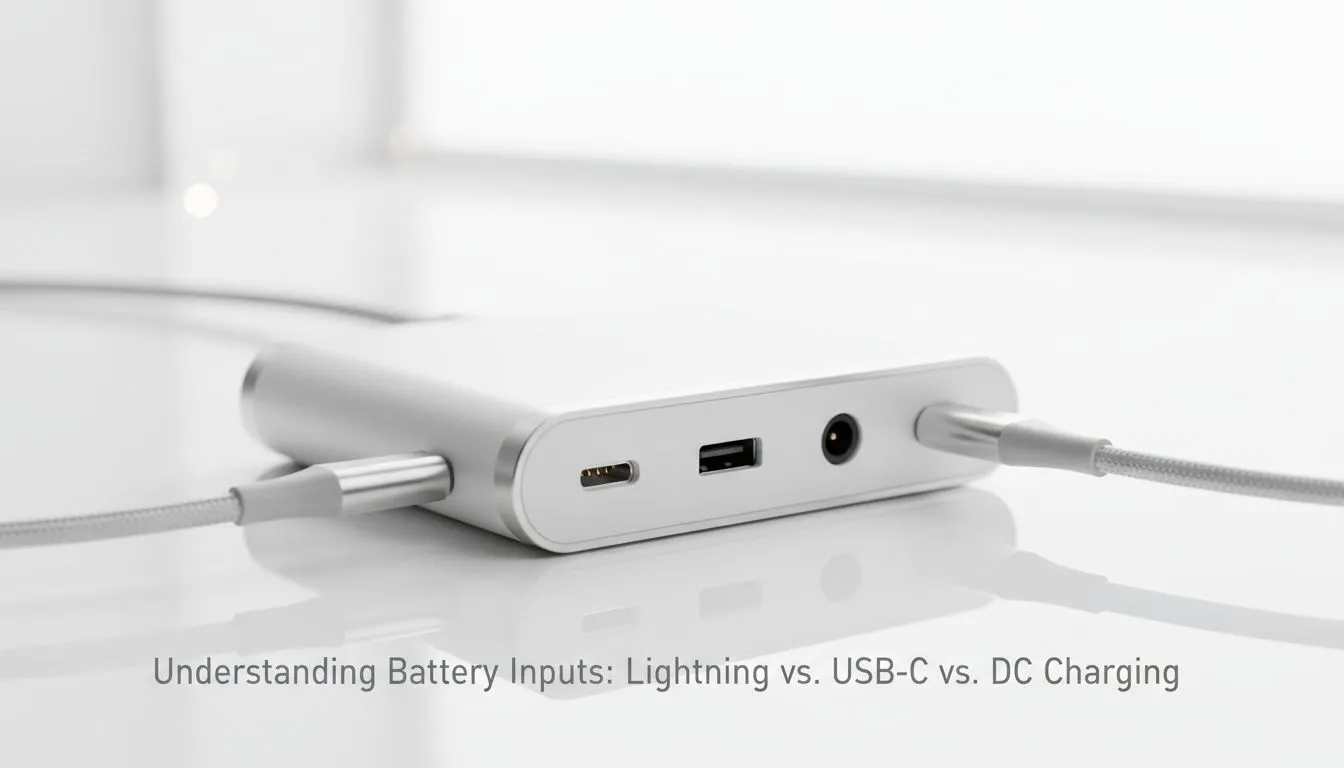
The physical difference between these two connectors is obvious, but the internal logic is where things get interesting. Lightning has been the standard for Apple mobile devices for a decade, offering a compact and reversible design. However, USB-C is the universal standard that supports significantly higher data transfer and faster Power Delivery (PD) speeds. If you are looking for versatility, Promate power banks often feature both inputs to cater to every user in your household.
Power Delivery and Battery Inputs Explained
When we discuss battery inputs, we are really talking about how much "juice" a port can take in at once. USB-C typically supports much higher wattage... meaning your devices charge faster and your power bank refills in half the time. For those on a budget, you can find reliable power banks under R500 that still offer modern USB-C inputs. Lightning is often capped at lower speeds compared to the latest USB-C 3.2 standards. This is a vital detail for gamers who need a quick top-up between rounds of Apex Legends or Warzone. 🚀
Why the Charging Standard Matters for South Africans
With the constant threat of power cuts, having a universal charging solution is no longer a luxury. Most modern laptops, tablets, and consoles have shifted to USB-C. Investing in a high-quality power bank ensures that you aren't left stranded when the lights go out. USB-C is objectively more powerful for high-capacity batteries... while Lightning remains the steady choice for legacy iPhone users who value the hardware's durability.
Battery Longevity Tip ⚡
To preserve your battery's lifespan, avoid letting it drop below 20% or sit at 100% for extended periods. Using a charger with the correct Power Delivery rating for your specific device prevents overheating and ensures the internal cells stay healthy for years to come.
Future-Proofing Your Tech Setup
As the industry moves toward a single-cable future, USB-C is winning the battle for dominance. Even Apple has started the transition with their latest handsets to comply with international standards. If you want a device that handles high-speed inputs and multiple outputs, browsing power banks under R1200 will give you access to premium units with advanced circuitry. These models often feature smart IC chips that negotiate the best voltage for either USB-C or Lightning connections... protecting your expensive hardware from potential surges. ✨
Ready to Find Your Perfect Match? The USB-C vs Lightning debate is evolving, but having the right backup power is essential in South Africa. Explore our massive range of power bank specials and find the perfect portable charger to keep your devices running through any outage.