Ever been at a friend's place, ready for a LAN, only to realise you brought the wrong bulky power brick? Or maybe you've felt the joy of packing just one tiny USB-C cable for your phone, tablet, and laptop. The battle of USB-C vs proprietary charging isn't just about plugs; it’s about power, convenience, and how you use your tech. Let's plug in and find the right fit for your South African setup. 🔌
The Universal Convenience of USB-C
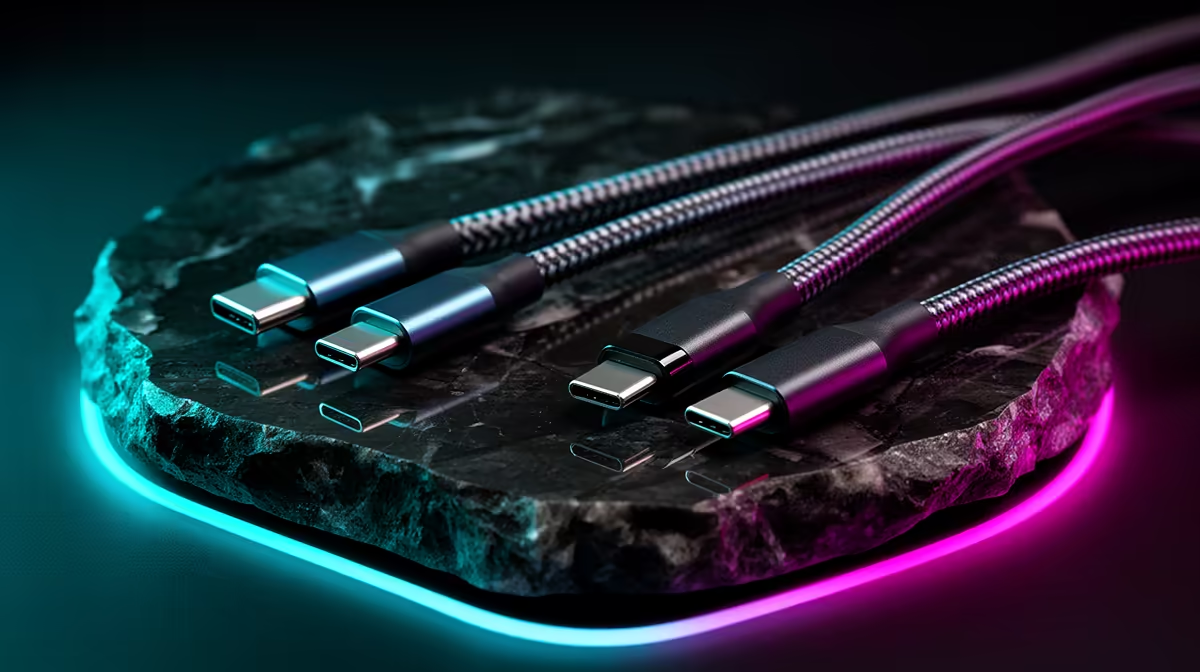
There's no denying the appeal of USB-C. It's the one-cable dream realised. The ability to use the same charger for multiple devices simplifies life immensely, especially when you're on the move. For students, professionals, and casual users, a laptop that charges via USB-C is a massive win.
This universal standard means you can borrow a charger in a pinch or plug into a docking station with a single cable for power, data, and video. While early USB-C standards struggled to power more demanding hardware, modern Power Delivery (PD) technology can push up to 240W, making it a viable option for a growing range of devices, including many cutting-edge Intel-powered machines designed for portability and efficiency.
The Raw Power of a Proprietary Charger
When performance is non-negotiable, proprietary chargers are still king. Think about high-end gaming laptops with power-hungry CPUs and GPUs. A top-tier NVIDIA RTX 40-series graphics card alone can draw hundreds of watts under load... far more than most USB-C ports can handle.
Proprietary chargers are custom-built by the manufacturer to deliver stable, high-wattage power safely and efficiently. This is the only way to unlock the full potential of your rig for 4K gaming or intensive video rendering. While they are bulkier and unique to your model, for serious gamers browsing the best gaming laptop deals, that dedicated power brick is the key to unlocking maximum framerates.
Check The Wattage! ⚡
Not all USB-C ports are created equal. A port might support data but not charging. Always check the laptop's specs for 'Power Delivery' (PD) and its maximum wattage (e.g., 100W) to see if it can actually power your machine for more than just light tasks.
The Hybrid Approach: Getting the Best of Both
Here’s the great news: you often don't have to choose. Many modern performance laptops now offer both. They ship with a beefy proprietary charger for full-throttle gaming at your desk, but also include a USB-C port with Power Delivery.
This hybrid solution offers incredible flexibility. You can leave the big brick at home and use a small USB-C charger for work or class, and then plug in the main adapter when it’s time to dominate the server. This trend is becoming common across many top-tier AMD laptops, giving you power when you need it and portability when you don't. It's the ultimate compromise in the USB-C vs proprietary charging debate.
So, Which is Right For You?
Choosing your charging standard comes down to your primary use case.
- For the Student or Mobile Professional: If your day involves moving between lectures, coffee shops, and the office with an ultrabook, the sheer convenience of USB-C is unbeatable.
- For the Hardcore Gamer or Creator: If you demand maximum, unthrottled performance for gaming or rendering, a proprietary charger is essential. But look for a model that also includes USB-C charging for that brilliant hybrid flexibility. ✨
Ultimately, understanding your own needs is the key to making the right choice.