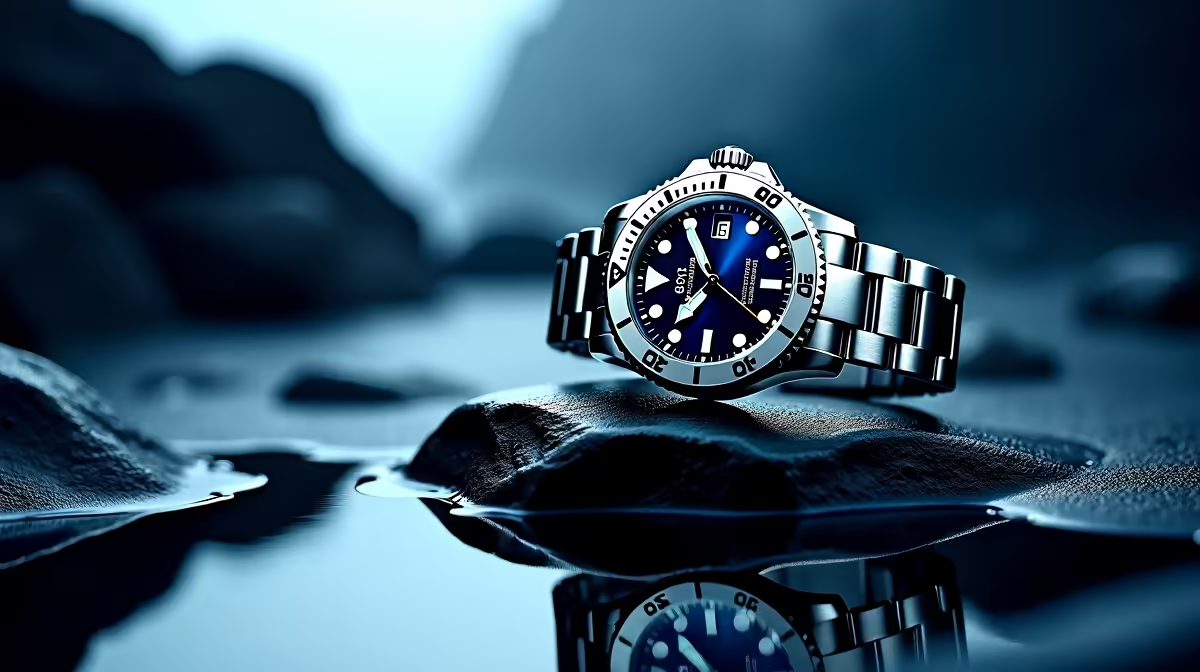
Ever wondered if your "water-resistant" watch can survive a weekend at the coast? Most South Africans assume a 50m rating means they can dive 50 metres deep. It doesn't... and that mistake could cost you your tech. Understanding the gap between standard water resistance and a dedicated freediving rating is essential before you hit the waves or the pool this summer. 🌊
Decoding the Water Resistance vs Freediving Rating Mystery
When you look at the back of a wearable, you often see "5ATM" or "IP68" stamped into the casing. These labels refer to static pressure. In a laboratory, technicians slowly increase the pressure in a tank of still water. If the watch survives, it gets the rating.
However, real life is rarely static. Jumping into a pool or hitting a wave at Muizenberg creates dynamic pressure. This sudden force is much higher than the static pressure found in a lab. This is where the core of the Water Resistance vs Freediving Rating debate begins. A standard water-resistant watch is built for splashes or shallow swims. A freediving-rated watch is engineered to handle the rapid pressure changes of a descent.
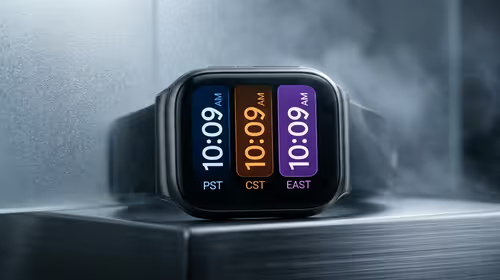
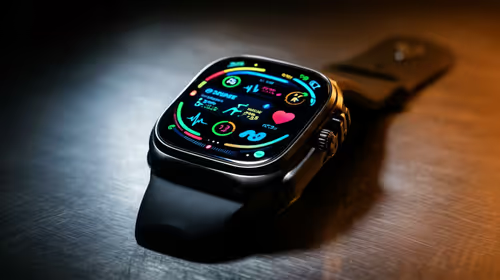
If you are looking for a device that survives your daily routine, browsing the latest smart watches will show you plenty of 5ATM options. These are perfect for the gym or a quick dip... but they aren't diving tools.
Why Static Pressure Ratings Can Be Misleading
Most consumer electronics use the ISO 22810 standard. This covers "water-resistant" watches intended for daily use. It ensures they can handle sweat, rain, and washing your hands. It does not mean you should take them scuba diving.
A freediving rating usually implies compliance with ISO 6425. This is a much more rigorous test. It includes salt water resistance, thermal shock testing, and reliability under pressure for extended periods. If you want durability without breaking the bank, Promate's versatile range offers excellent build quality for those who enjoy an active lifestyle.
Saltwater Care 🌊
Always rinse your watch with fresh water after a swim in the ocean. Salt crystals can build up around the seals and buttons. Over time, this leads to corrosion or seal failure, even on highly rated diving watches.
Choosing the Right Gear for Your Lifestyle
Are you a casual swimmer or a serious ocean enthusiast? For most of us, a high-quality smart watch with a 5ATM rating is more than enough for the local Virgin Active. You don't need a professional dive computer to track your laps or monitor your heart rate while hiking Table Mountain.
You can even find budget-friendly smart watch deals that offer robust water protection for under R1000. These devices provide the perfect balance of functionality and toughness for everyday South African life. Just remember... if the manual doesn't explicitly mention "diving" or "freediving," keep it near the surface. 🔧
The Final Verdict on Depth
To summarise, water resistance is about "surviving" water exposure. A freediving rating is about "operating" in deep water. Always check the manufacturer's fine print before submerged activities. Modern seals are great, but they aren't invincible... especially when heat and chemicals like chlorine are involved.
Ready to Find Your Perfect Match?
Whether you need a rugged companion for the ocean or a sleek tracker for the gym, we have the tech to keep you connected. Explore our massive range of smart watch specials and find the perfect wearable to suit your South African lifestyle.