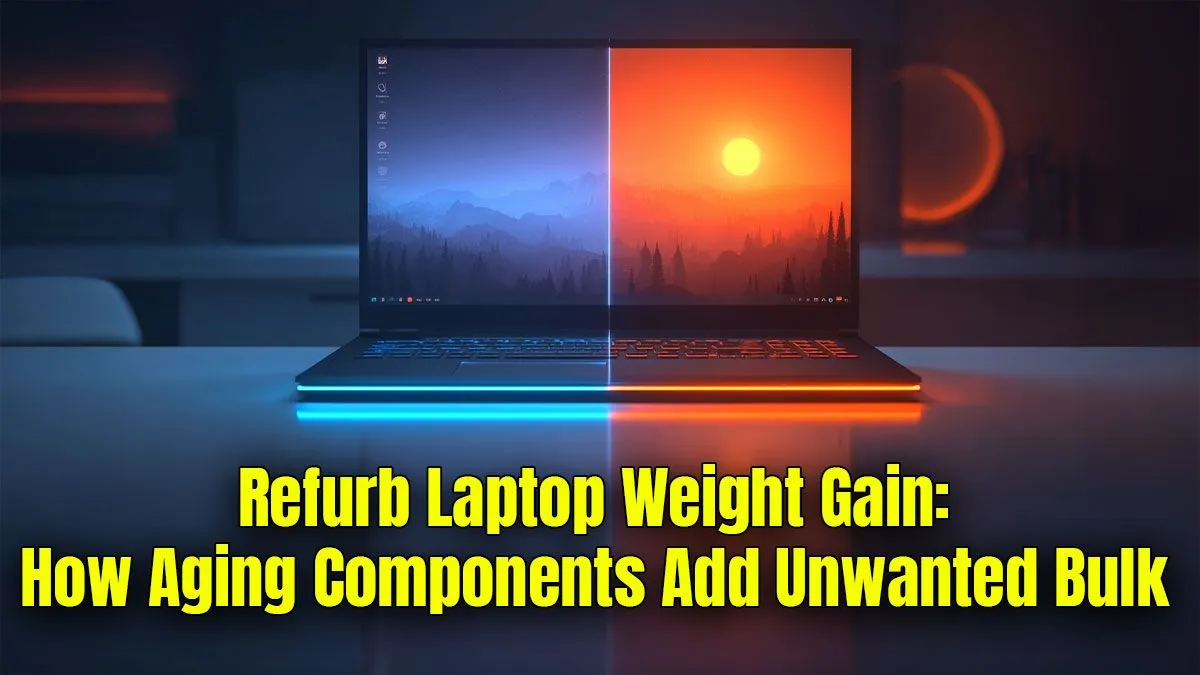
Ever bought a zippy refurbished laptop in Jozi, only for it to feel like it’s been hitting the gatsbys a few months later? It’s not your imagination. That sleek machine starts to feel sluggish, bloated… heavier. We're diving deep into why your refurbished laptop gains weight over time, and more importantly, how to put it on a high-performance digital diet. Let's get that speed back. 🚀
The Sneaky Culprits Behind Digital Weight Gain
When we talk about a refurbished laptop gaining weight, we're not talking about the physical scale. The culprits are digital, accumulating over time and bogging down your system's performance. Think of it as digital cholesterol clogging your machine's arteries.
Software Spread & Startup Clutter
Every program you install, every app that "helpfully" adds itself to your startup sequence, takes a slice of your processing power and memory. Over time, this adds up, making your laptop feel sluggish from the moment you turn it on. This is one of the most common reasons a perfectly good refurbished laptop starts to slow down.
The Cache & Temp File Tummy
Your laptop is constantly creating temporary files, browser caches, and leftover data from updates and installations. While individually small, these files build up into gigabytes of dead weight, fragmenting your storage and making it harder for the system to find what it needs quickly.
Diagnosing the Performance Slowdown
Before you can fix the problem, you need to understand the source of the slowdown. Is it general sluggishness, or does it happen during specific tasks?
Modern software demands a lot from your hardware. Processor-intensive tasks like video editing or compiling code will quickly show the limits of an older system, even a clean one. A machine built around one of today's powerful Intel laptops on special will simply chew through these tasks more efficiently. Likewise, for heavy multitasking and modern gaming, the multi-core strength of cutting-edge AMD laptops can make a world of difference.
If your machine struggles with everything, the digital weight is likely the primary issue.
Quick Performance Boost ⚡
Disable non-essential startup programs. Open Task Manager (Ctrl+Shift+Esc), go to the 'Startup' tab, and disable anything you don't need running from the get-go. Your boot time will thank you!
Your Laptop's High-Performance Diet Plan 🔧
Ready to help your laptop shed those digital kilos? Here are a few effective strategies to restore that day-one speed.
The Digital Detox
Start by uninstalling applications you no longer use. Go to 'Apps & features' in your Windows settings and be ruthless. If you haven't used it in six months, it's probably bloatware. For a deeper clean, tools like Revo Uninstaller can hunt down and remove leftover files that standard uninstalls leave behind.
A Clean Slate
The single most effective way to reverse digital weight gain is a fresh operating system installation. This completely wipes the slate clean, removing years of accumulated junk and giving you a truly factory-fresh software environment. It’s a bit of a weekend project, but the performance gains are undeniable.
Knowing When a Diet Isn't Enough
Sometimes, no amount of software optimisation can make up for ageing hardware. If you've cleaned house and your laptop still struggles with the latest games or your daily workflow, it might be time for an upgrade. A system that was top-tier five years ago may not have the resources for today's demanding applications.
Thankfully, upgrading doesn't have to break the bank. You can find some seriously capable gaming laptops under R20k that will outperform a cleaned-up older model by a huge margin, giving you a massive boost in productivity and play. ✨
Ready for a Fresh Start? Stop fighting with digital clutter and slow performance. Explore our curated selection of lightning-fast machines and find the perfect fit for your needs and budget. Check out Evetech's best gaming laptop deals for performance that never slows down.