The Battle for Your Backpack: Windows vs SteamOS in 2025
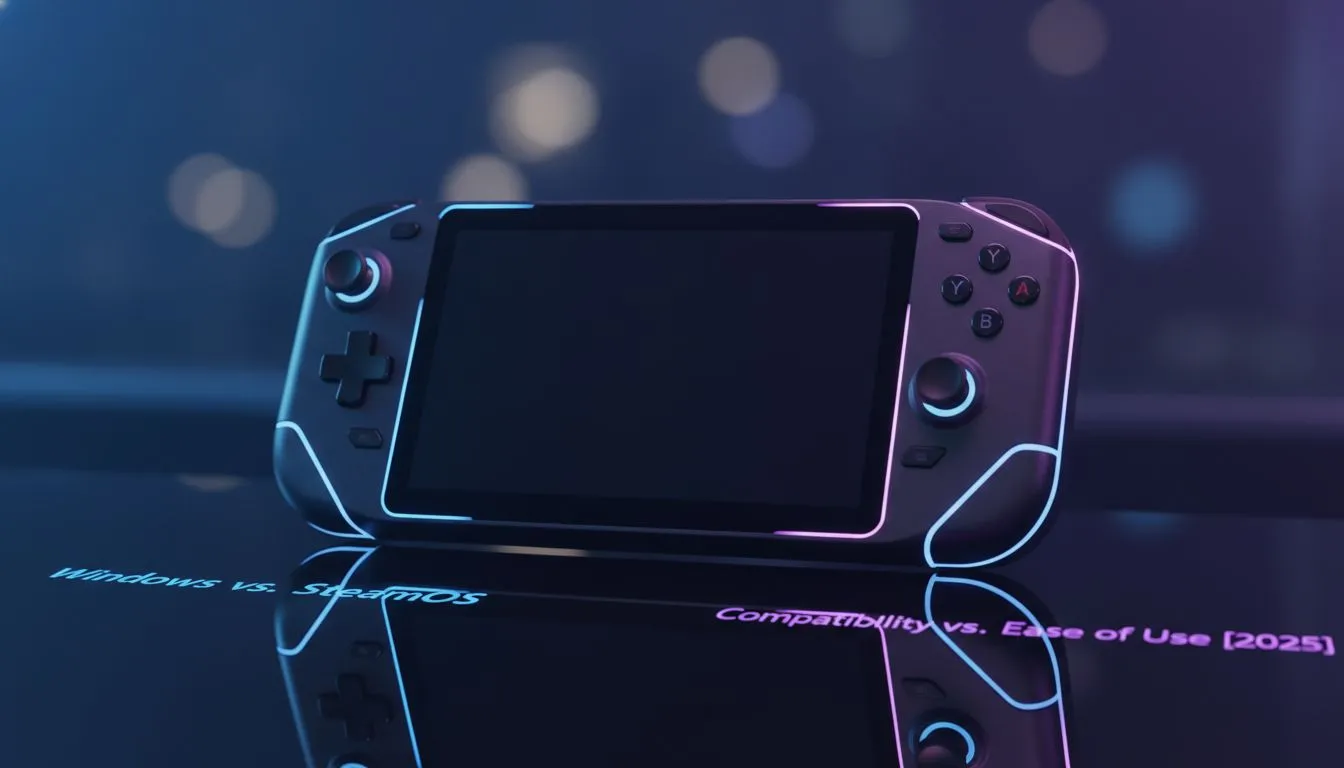
It’s 2025 and the handheld wars are heating up in South Africa. Whether you're dodging loadshedding or gaming on the Gautrain, the choice boils down to one massive debate: the polished simplicity of SteamOS or the sheer, unbridled freedom of Windows. Which OS deserves your hard-earned Rands? Let's break down the battle for your backpack. 🚀
SteamOS: The Console Comfort Zone
SteamOS, the Linux-based operating system found on Valve's hardware, offers a streamlined experience. It feels less like a computer and more like a dedicated console. The UI is navigable with a controller right out of the box, and features like "Quick Resume" work flawlessly.
However, this "walled garden" approach has limitations. While it is excellent for your Steam library, playing titles from other launchers requires significant tinkering. If your main gaming diet consists of Call of Duty (Ricochet Anti-Cheat), FIFA/EA FC, or Fortnite, you will hit a brick wall due to Linux compatibility issues with certain anti-cheat software.
Windows 11: The Compatibility King
This is where Windows shines. In the Windows vs SteamOS comparison, Windows 11 is the undisputed champion of compatibility. It is, quite literally, a PC in the palms of your hands.
Because it runs standard Windows, you have native access to every launcher imaginable. Battle.net, the Epic Games Store, Ubisoft Connect, and—crucially for South African gamers looking for value—PC Game Pass all run natively. There is no need for workarounds or complex Proton layers; you simply install and play.
If you are looking at the explosion of handheld gaming consoles hitting our shores, most run Windows for this exact reason. It ensures that your entire library travels with you, not just the games approved by one store.
The Hardware Heavyweights
The beauty of the Windows ecosystem is choice. You aren't locked into a single hardware specification.
The ASUS ROG Ally series really kicked the door open for high-performance Windows handhelds, offering VRR (Variable Refresh Rate) screens that smooth out gameplay beautifully, even when frame rates dip during intense action.
Then you have the innovators who prioritize screen real estate and versatility. The Lenovo Legion Go brings a massive display and detachable controllers, making it perfect for FPS mode or propping up on a table for a quick session with a friend.
We also can't forget the MSI Claw, utilizing Intel Core Ultra technology to shake up the market with AI-enhanced performance and impressive ergonomics.
Handheld Optimization Tip 🔧
On Windows handhelds, set Steam to launch in 'Big Picture Mode' automatically on startup. This gives you that slick, controller-friendly interface for your Steam games, while still allowing you to Alt-Tab out to access Game Pass or check your emails whenever you need to.
Ease of Use vs. Power
In 2025, the gap in "ease of use" has narrowed significantly. Microsoft has optimised Windows 11 for touch interfaces, and manufacturers have developed incredible overlay software (like Armoury Crate and Legion Space) that aggregates your games into one easy-to-navigate hub.
While SteamOS offers a slightly smoother "pick up and play" experience for verified games, Windows offers the freedom to play everything. For the South African gamer who wants one device to handle Game Pass, competitive shooters, and perhaps even some light productivity work, Windows remains the most versatile choice. ✨
Ready to Power Up Your Portable Play?
Don't limit your library. For the ultimate compatibility and the freedom to play games from any store, a Windows handheld is the way to go. Explore our range of handheld gaming consoles and take your gaming anywhere.