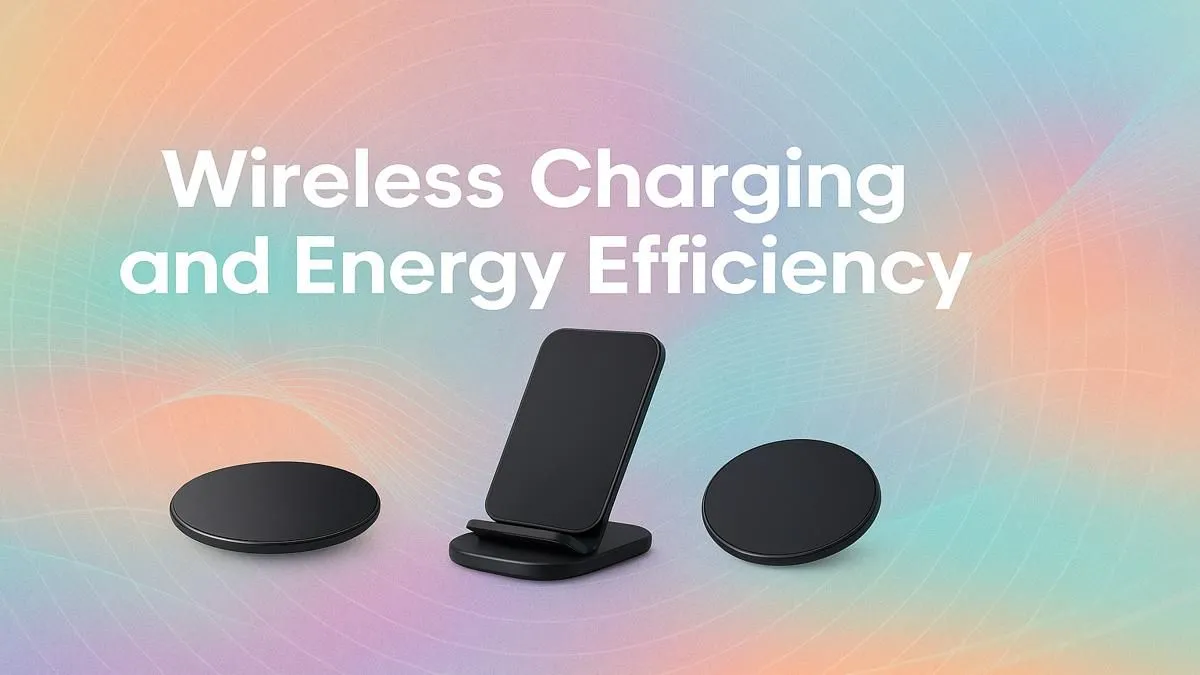
That satisfying snap of your phone onto a wireless charger... pure magic, right? But as you walk away, a little voice might whisper, "Is this thing secretly wasting power?" In a country where we're all too familiar with load shedding, understanding wireless charging efficiency isn't just for tech nerds; it's a practical concern for everyone. So, let's unplug the myths and see if that cable-free convenience comes at a hidden energy cost.
The Core Question: How Inefficient Is Wireless Charging?
Let's get straight to it: yes, wireless charging is less efficient than plugging in a cable. It’s not a massive scandal, but it’s a reality of the technology. When you use a traditional cable, the power transfer is very direct, with minimal loss. Wireless charging, which uses magnetic induction to transfer energy through the air, loses some of that energy along the way, mostly as heat. 🔥
How much energy is wasted? Studies show a wireless charger can consume anywhere from 20% to 60% more power to deliver the same charge as its wired counterpart. While this sounds like a lot, the actual impact on your monthly electricity bill is usually just a few Rands. The real conversation around wireless charging efficiency is about making informed choices.
What Causes Wireless Charger Energy Waste?
Not all wireless charging setups are created equal. Several factors can impact how much energy gets lost between the pad and your device. Understanding these can help you minimise waste and get a faster charge.
Key Factors:
- Alignment: This is the biggest culprit. If the charging coil in your phone isn't perfectly aligned with the coil in the charging pad, the efficiency drops dramatically. The charger has to work harder, generating more heat and wasting more power.
- Quality of the Charger: Cheaper, uncertified chargers often use lower-quality components that are less efficient at transferring power and managing heat. Investing in a quality unit from trusted brands like Promate ensures better performance and safety.
- Phone Cases: A thick phone case, especially one with metal parts or a pop socket, creates a larger gap for the energy to cross. This forces the charger to ramp up power, leading to more wasted energy.
Maximise Your Charge ⚡
For the best wireless charging efficiency, always remove thick phone cases before placing your device on the pad. Also, double-check that the charging coils are aligned—many chargers have a sweet spot. A well-aligned device charges faster and wastes less energy as heat.
So, Should You Ditch Your Wireless Charger?
Absolutely not! For most of us, the convenience far outweighs the minor energy loss. The freedom from fumbling with cables, especially at your desk or bedside table, is a huge quality-of-life improvement. For gamers, keeping your phone and peripherals powered up without cable clutter is crucial, which is why wireless pads are becoming such popular gaming accessories.
The key isn't to abandon the technology but to use it smartly. By choosing a good charger and being mindful of placement, you can enjoy the benefits without worrying too much about the small amount of extra energy used. You can easily check out the full Promate charger range to see modern designs that focus on optimising this power transfer. ✨
The debate on wireless charging efficiency is less about saving the planet one phone charge at a time and more about getting the best performance from your tech. A high-quality charger isn't just more efficient; it's also safer for your device's battery in the long run.
Ready to Cut the Cord? While wireless charging does use a bit more energy, the convenience is undeniable. For a clean, cable-free setup, a quality charger is essential. Explore our wide range of chargers and find the perfect power solution for your gear.