AI Upscaling vs Traditional: How DLSS & FSR Boost Your FPS
Curious about AI upscaling vs traditional methods? 🤔 Discover how NVIDIA's DLSS and AMD's FSR use advanced AI and algorithms to deliver higher frame rates and sharper image quality than ever before, leaving old-school upscaling in the dust. Let's boost your game! 🚀
|
Loading tags...
Stuttering frame rates ruining your perfect headshot in Valorant? We've all been there. For years, squeezing more FPS meant sacrificing visual quality or forking out thousands for a top-tier GPU. But what if you could get a massive performance boost for free? That's the promise of AI upscaling. Let's break down the battle of AI upscaling vs traditional methods and see how technologies like DLSS and FSR are changing the game for South African PC builders.
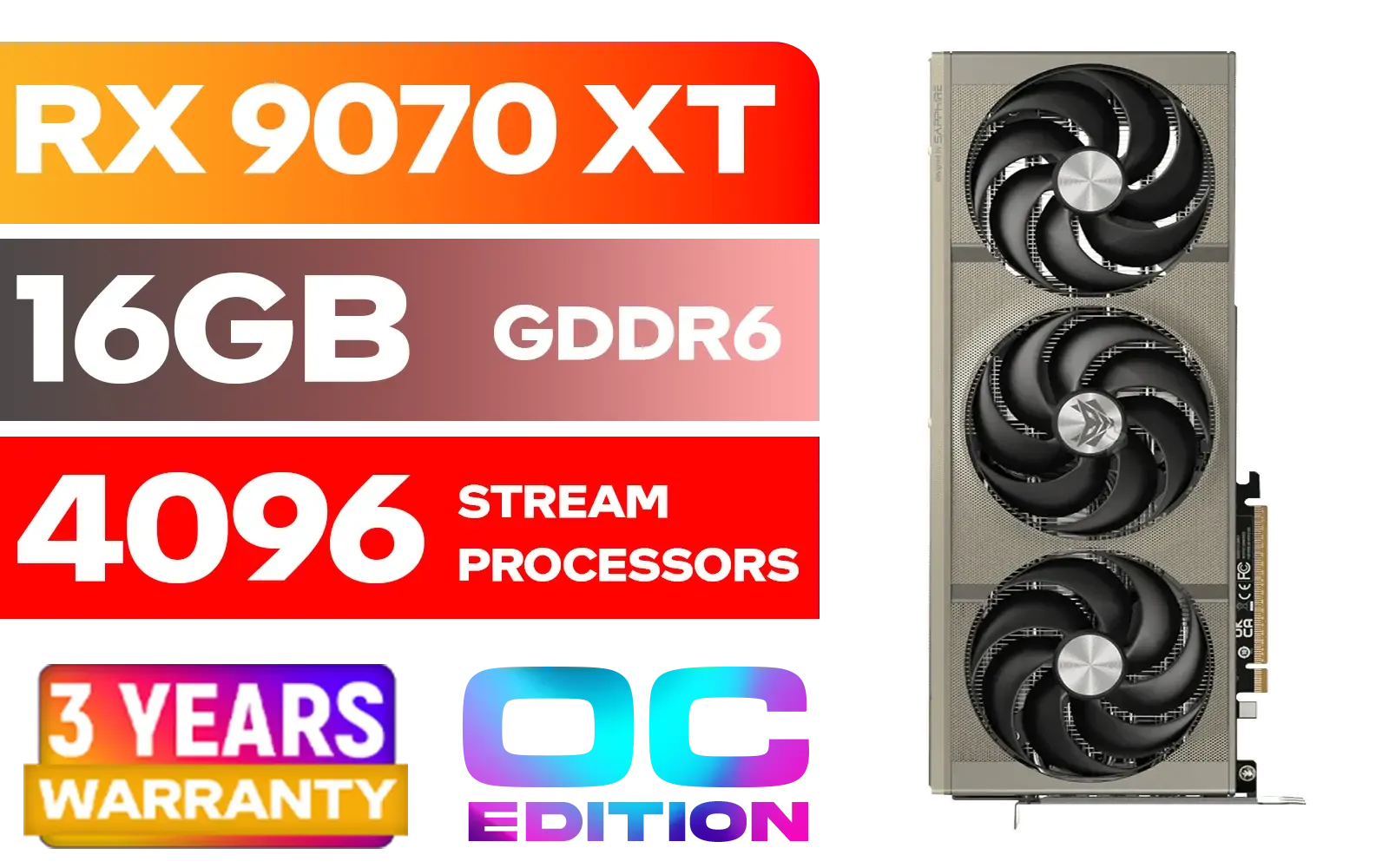
SAPPHIRE NITRO+ RX 9070 XT Gaming OC 16GB Graphics Card / 16GB GDDR6 Memory / 4096 Stream Processors / 256-bit Memory Interface / Boost Clock : 3060 MHz / AMD RDNA™ 4 Architecture / 64 Ray Accelerators / 11348-01-20G
R14999.00In Stock
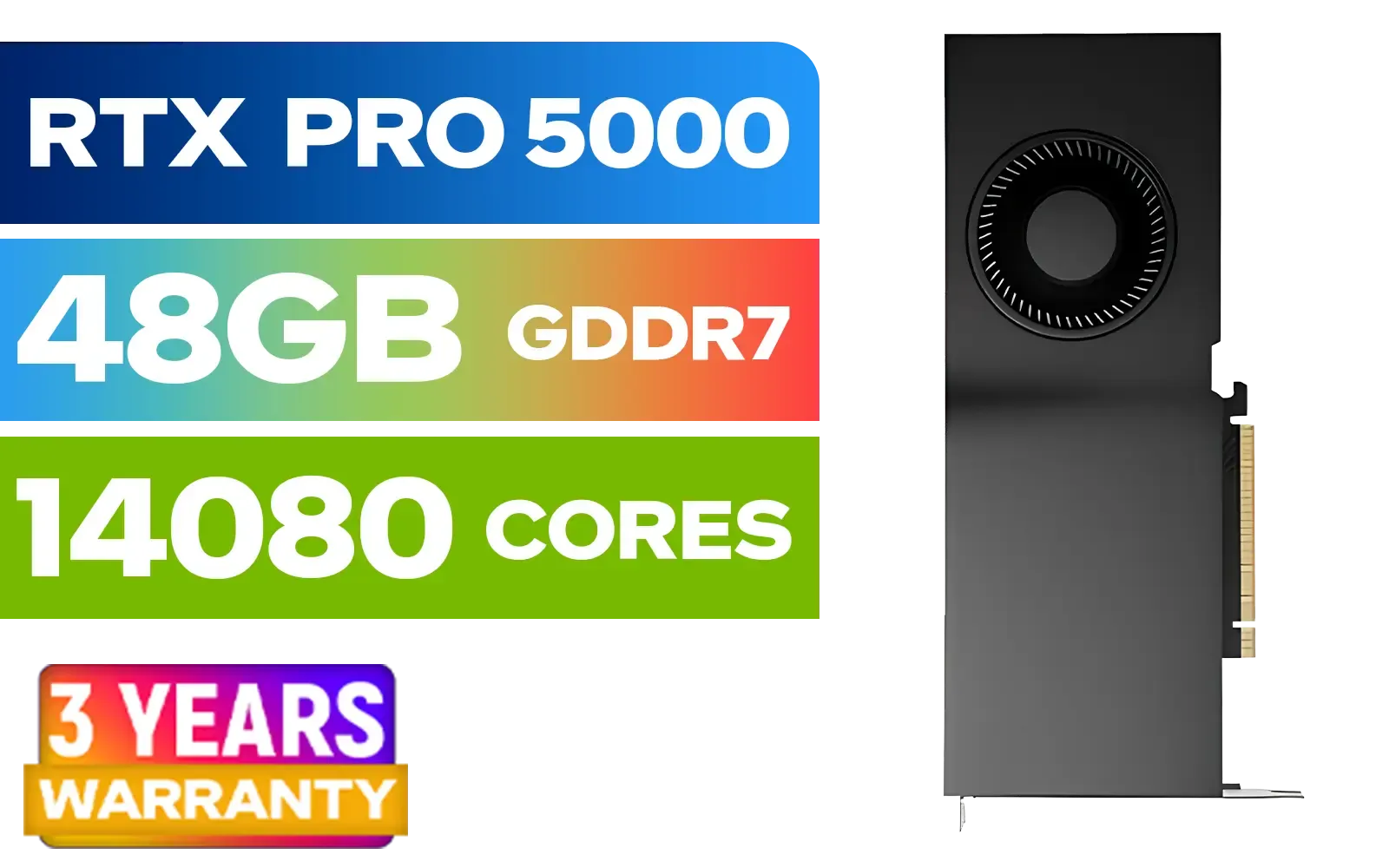
LEADTEK NVIDIA RTX PRO 5000 Blackwell 48GB GDDR7 Workstation Graphics Card / 14,080 Nvidia CUDA Cores / 1,344GB/s Memory Bandwidth / NVIDIA Blackwell Architecture / 126X2000100
R93999.00In Stock
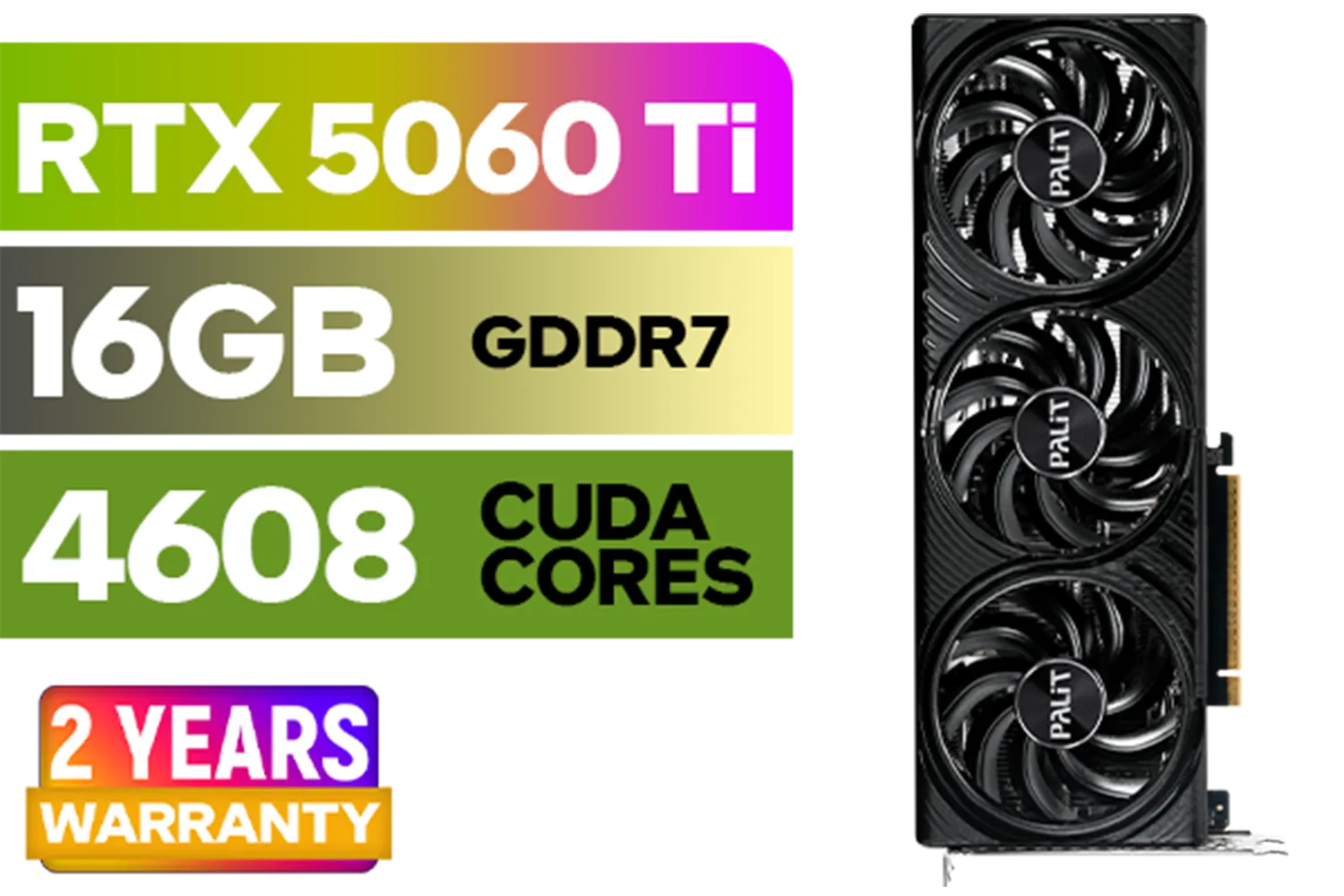
Palit GeForce RTX 5060 Ti Infinity 16GB Graphics Card / 16GB GDDR7 / 4608 Cuda Cores / 128-bit Memory Interface / Boost Clock : 2572 MHz / 28Gbps Memory Speed / PCI Express® Gen 5 / NE7506T019T1-GB2061S
R9799.00In Stock
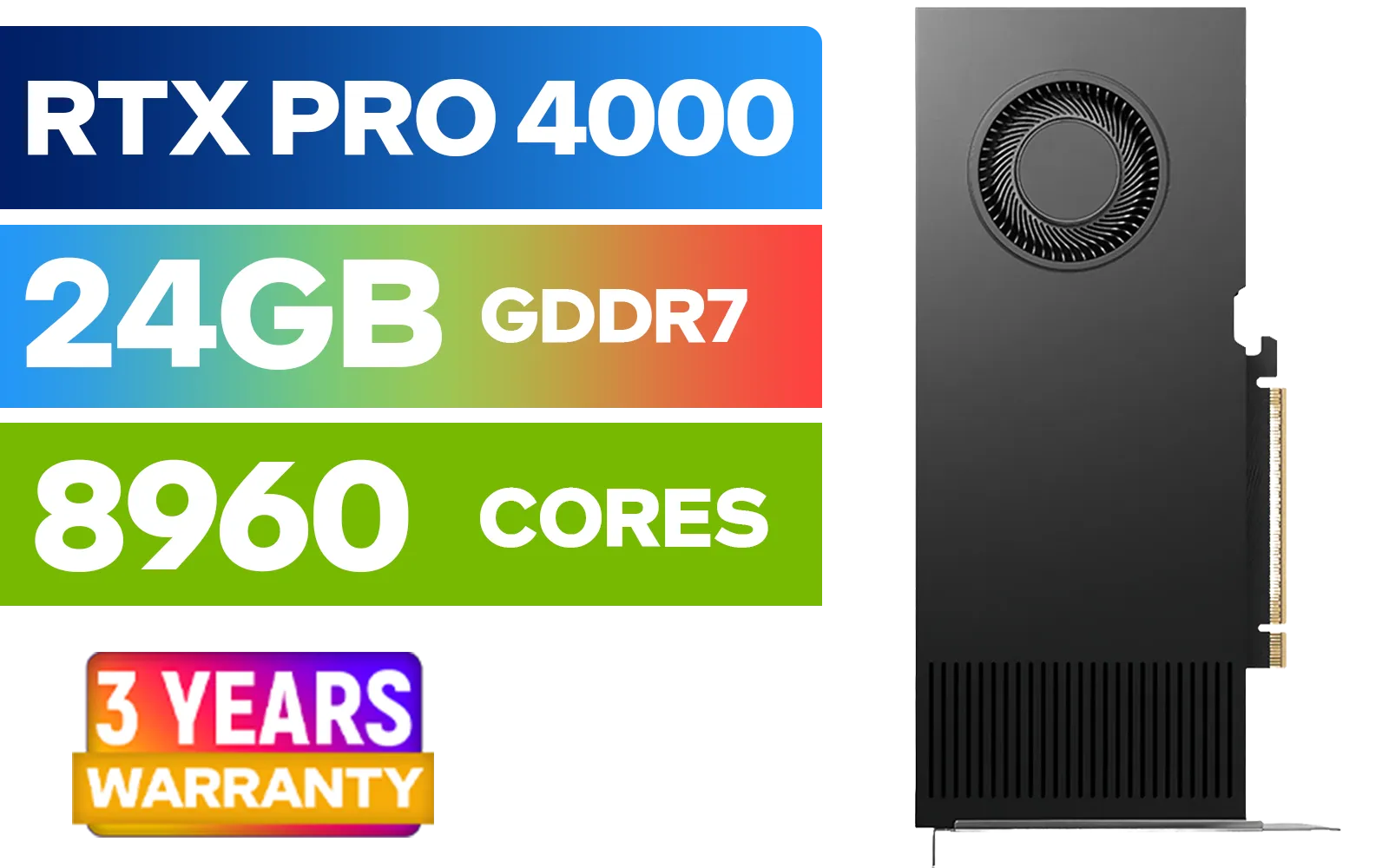
LEADTEK NVIDIA RTX PRO 4000 Blackwell 24GB GDDR7 Workstation Graphics Card / 8,960 Nvidia CUDA Cores / 672GB/s Memory Bandwidth / NVIDIA Blackwell Architecture / 126X4000100
R32999.00In Stock
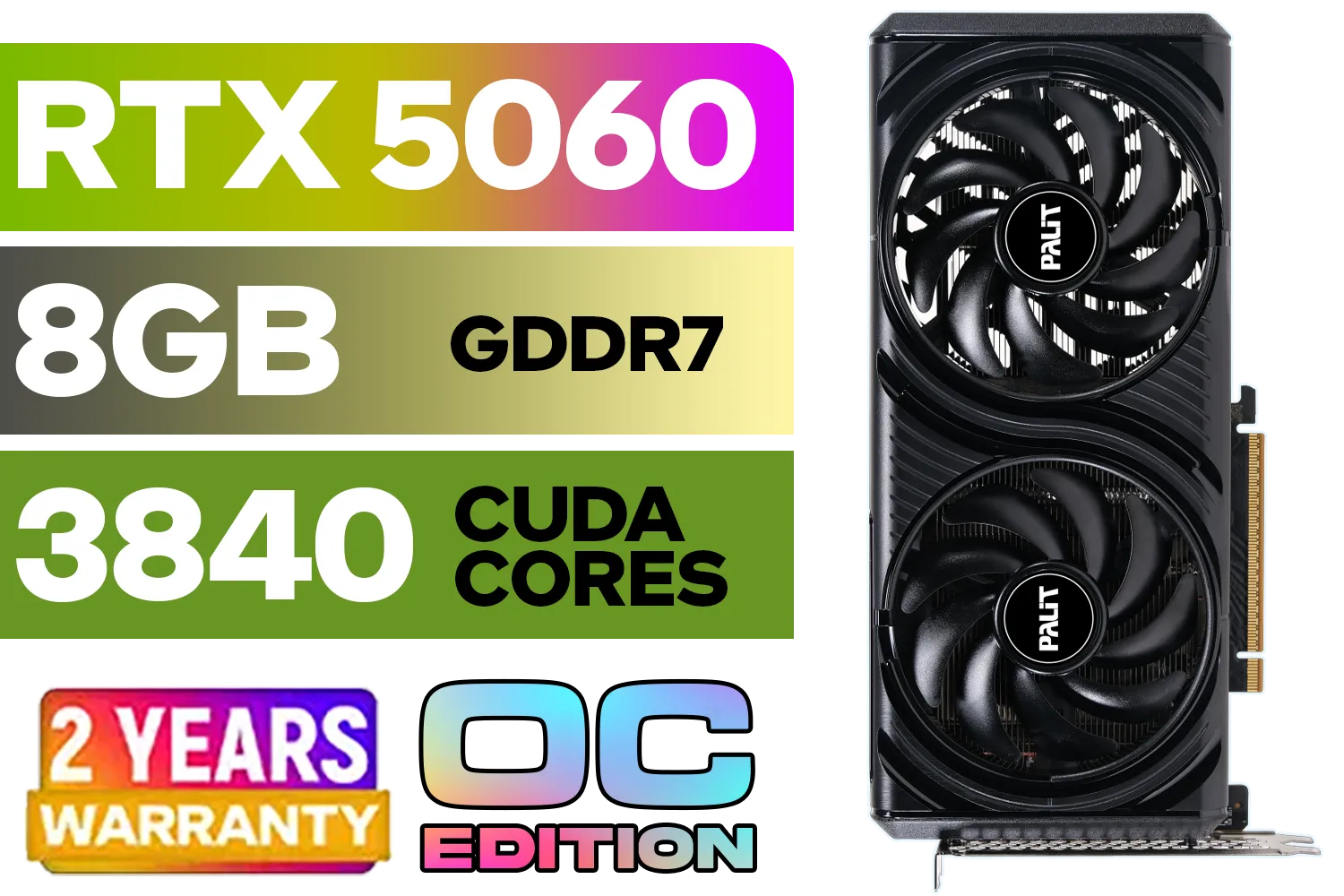
Palit GeForce RTX 5060 Infinity 2 OC 8GB GDDR7 / 28Gbps Memory Speed / PCI Express® Gen 5 / NE75060V19P1-GB2063L
R7999.00In Stock

MSI GeForce RTX 5070 12GB Shadow 2X OC Graphics Card / 6144 Cuda Cores / 192-bit Memory Interface / Boost Clock : 2542 MHz / NVIDIA Blackwell & DLSS 4 / TORX Fan 5.0 / Nickel-Plated Copper Baseplate / 912-V532-011
R11999.00In Stock
The Old Way: What is Traditional Upscaling?
Before AI entered the picture, traditional upscaling was the only option. Think of it as a simple "zoom and enhance" tool, but without the magic you see in movies. It takes a lower-resolution image (like 1080p) and simply stretches it to fit a higher-resolution screen (like 4K).
The process doesn't add any new detail. Instead, it guesses what the missing pixels should look like, often resulting in a soft, blurry, and unsatisfying image. While it technically works, it's a brute-force approach that compromises visual fidelity for the sake of resolution.
The AI Revolution: DLSS and FSR Explained
This is where things get exciting. Instead of just stretching pixels, AI upscaling intelligently reconstructs the image, using powerful algorithms to predict what a high-resolution version should look like. The two main players in this space are NVIDIA's DLSS and AMD's FSR.
NVIDIA's DLSS (Deep Learning Super Sampling)
DLSS is NVIDIA's secret sauce. It uses dedicated AI hardware, called Tensor Cores, found on NVIDIA's powerful RTX series graphics cards. The process is brilliant: the game renders at a lower internal resolution, and then the AI model uses data from previous frames and its training to build a final image that is often as sharp as—or even sharper than—the native resolution. This clever process significantly boosts your FPS. 🚀
AMD's FSR (FidelityFX Super Resolution)
FSR is AMD's answer, and its biggest advantage is that it's open-source. This means it doesn't require specialised hardware and works across a huge range of GPUs, including AMD's latest Radeon GPUs and even older NVIDIA cards. FSR is a sophisticated spatial upscaling algorithm that analyses the source frame to intelligently add detail. While the first version was good, the latest iterations are incredibly competitive with DLSS, giving almost everyone access to AI-powered performance gains.
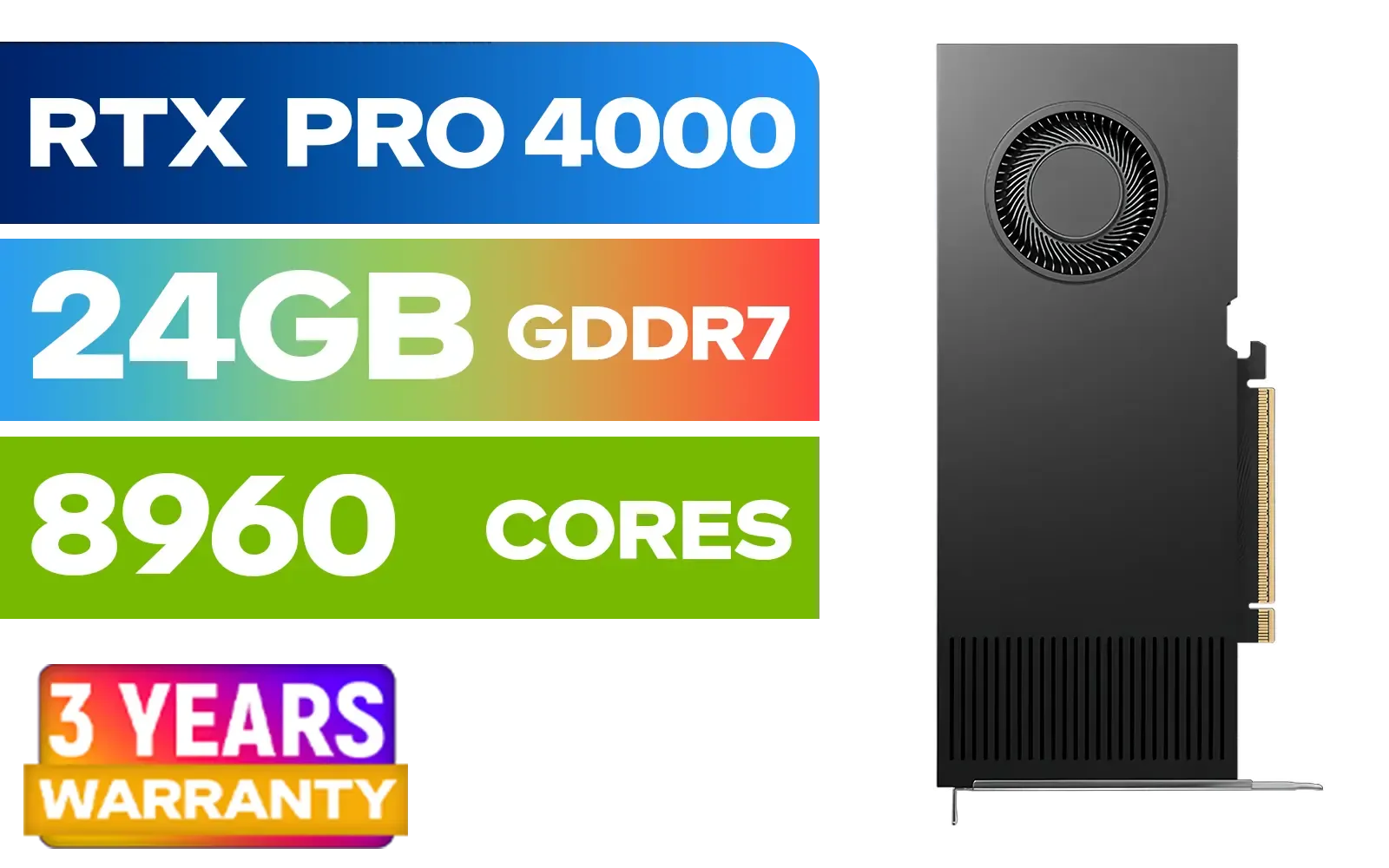
PNY RTX PRO 4000 Blackwell 24GB Graphics Card / 8960 CUDA CORES / 24GB GDDR7 with ECC / 192-bit Memory / VCNRTXPRO4000-PB
R31999.00In Stock

MSI Geforce RTX 5070 Ventus 2X 12G OC Graphics Card / 12GB GDDR7 / 6144 Cuda Cores / 192-bit Memory Interface / Boost Clock : 2542 MHz / NVIDIA Blackwell & DLSS 4 / 28Gbps Memory Speed / PCI Express® Gen 5 / 912-V532-009
R13999.00In Stock

Leadtek NVIDIA RTX 5000 ADA 32GB GDDR6 Workstation Graphics Card / 12800 Nvidia CUDA Cores / 576GB/s Memory Bandwidth / Ada Lovelace GPU architecture / 126V5000100
R96999.00In Stock
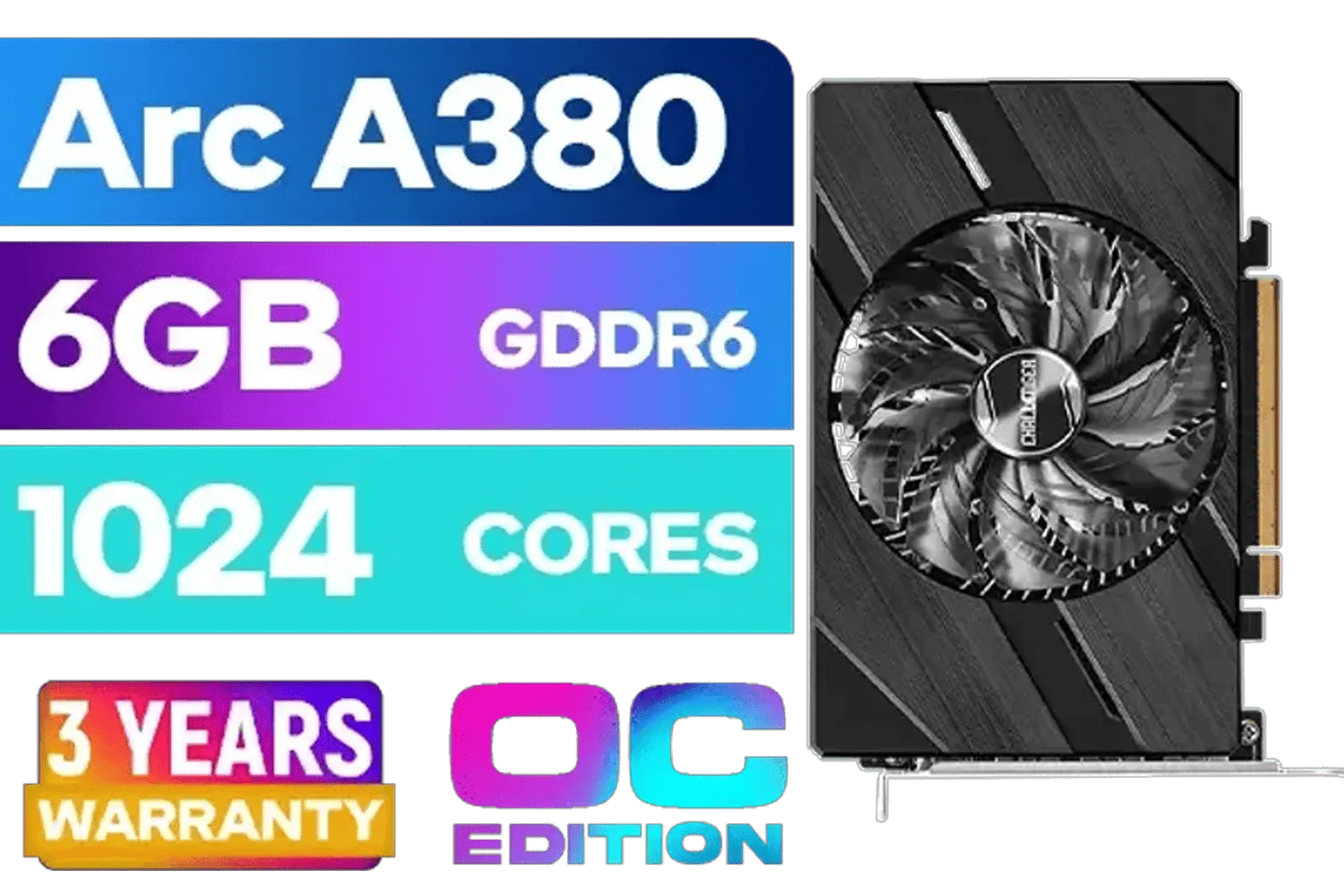
ASRock Intel Arc A380 Challenger ITX 6GB OC GDDR6 Graphics Card / 90-GA3KZZ-00UANF
R3199.00In Stock

Palit GeForce RTX 5090 GameRock 32GB GDDR7 512-Bit PCIe 5.0 Desktop Graphics Card / NE75090019R5-GB2020G
R47999.00In Stock
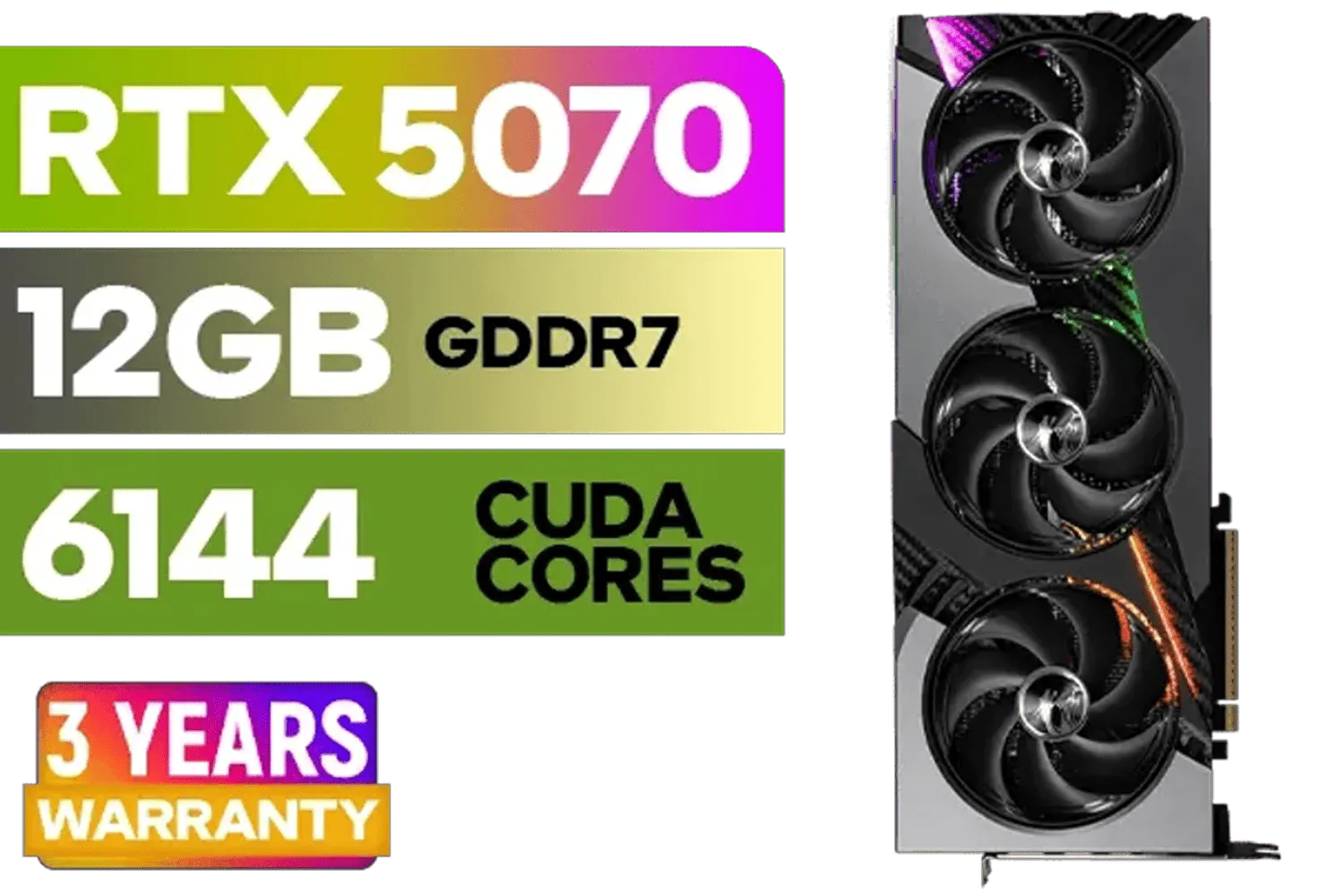
MSI GeForce RTX 5070 12GB VANGUARD SOC Launch Edition / 12GB GDDR7 / 6144 Cuda Cores / Boost: 2640 MHz / 28Gbps Memory Speed / PCI Express® Gen 5 / 912-V532-050
R15299.00In Stock
TIP FOR YOU
Find Your Sweet Spot 💡
Both DLSS and FSR offer different modes like 'Quality', 'Balanced', 'Performance', and 'Ultra Performance'. Start with 'Quality' for the best visuals. If you need more frames, step down to 'Balanced' or 'Performance'. 'Ultra Performance' is best for pushing extremely high FPS on high-refresh-rate monitors, but expect a noticeable drop in image clarity.
AI Upscaling vs Traditional: The Real-World Difference
So, what's the verdict in the AI upscaling vs traditional showdown? It’s a knockout. ✨
Imagine you're in a tense firefight in Apex Legends. With traditional upscaling, distant enemies might be a blurry mess. With DLSS or FSR set to a quality mode, that same enemy is sharp and clear, and your frame rate is higher, making your aim smoother and more responsive. AI upscaling delivers higher FPS without the blurry penalty of older methods. It's less of a compromise and more of a genuine enhancement.
Which Tech is Right for Your Rig?
Leadtek NVIDIA RTX 5000 ADA 32GB GDDR6 Workstation Graphics Card / 12800 Nvidia CUDA Cores / 576GB/s Memory Bandwidth / Ada Lovelace GPU architecture / 126V5000100
R96999.00In Stock

MSI GeForce RTX 5060 8G Gaming Trio OC Graphics Card / 8GB GDDR7 / 3840 Cuda Cores / 128-bit Memory Interface / Boost Clock : 2625 MHz / PCI Express® Gen 5 / 912-V537-021
R8499.00In Stock

PNY GeForce RTX 5070 EPIC-X 12GB OC Graphics Card / 12GB GDDR7 / 6144 Cuda Cores / 192-bit Memory Interface / Base Clock: 2160 MHz / 28 Gbps Memory Speed / DisplayPort 2.1b (x3), HDMI® 2.1b / VCG507012TFXXPB1-O
R13299.00In Stock

MSI GeForce RTX 5060 Ti 8G GAMING OC Graphics Card / 4608 Cuda Cores / 28Gbps Memory Speed / 8GB GDDR7 / 128-bit Memory Bus / 912-V536-026
R9499.00In Stock

Palit GeForce RTX 5070 Infinity 3 12GB Graphics Card / 12GB GDDR7 / 6144 Cuda Cores / 192-bit Memory Interface / Boost Clock : 2512 MHz / NVIDIA Blackwell & DLSS 4 / NE75070019K9-GB2050S
R10799.00In Stock
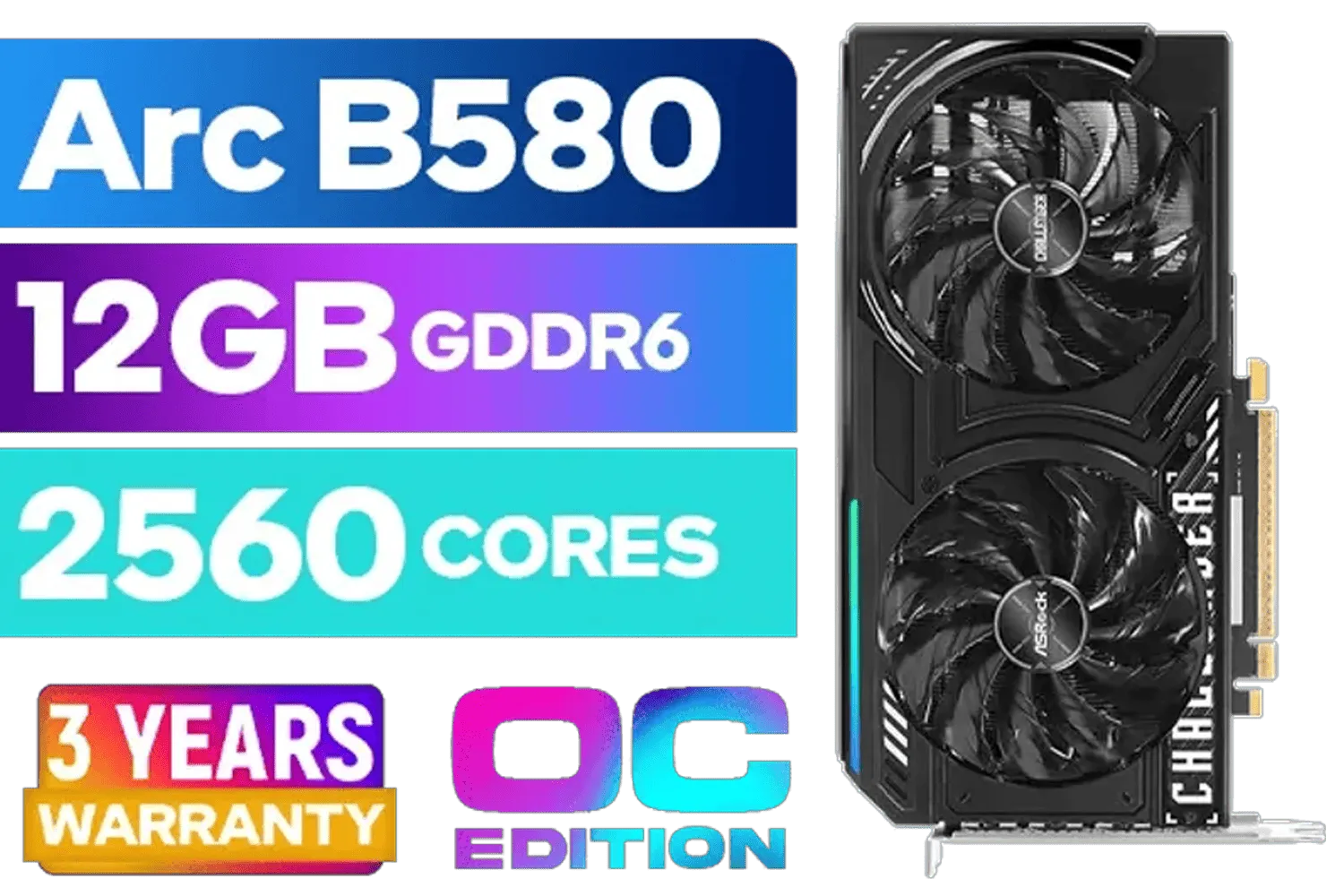
ASRock Intel ARC B580 Challenger OC Graphics Card / 12Gb 192-bit GDDR6 / DirectX 12 Ultimate / 2560 Cores / 2740MHz Engine Clock / 90-GA5LZZ-00UANF
R6499.00In Stock
Choosing between DLSS and FSR is actually quite simple: use what your hardware supports!
If you're running an NVIDIA RTX 20, 30, or 40-series card, DLSS is your best bet for its often-superior image reconstruction. If you're on an AMD card or an older NVIDIA GTX card, FSR is your champion, bringing modern performance boosts to your machine.
Ultimately, both technologies are fantastic tools for getting the most out of your hardware. Knowing which one you'll be using can help you find some great graphics card deals that are perfectly optimised for your gaming needs.
Ready to Boost Your FPS? Understanding AI upscaling vs traditional methods is the first step. The next is getting the hardware to power it. Explore our massive range of graphics cards and find the perfect GPU to unleash those buttery-smooth frame rates.
Related Products

MSI GeForce RTX 5080 16G VENTUS 3X OC / PCI Express Gen 5 / 10752 Cuda Cores / 16GB GDDR7 / DirectX 12 Ultimate / 912-V531-262
R26999.00In Stock

XFX Mercury AMD Radeon RX 9070 XT OC Magnetic Air Edition Graphics Card / 4096 Stream Processors / 256-bit Memory Interface / Boost Clock : 3100 MHz / AMD RDNA™ 4 Architecture / RX-97TMARGB9
R16299.00In Stock
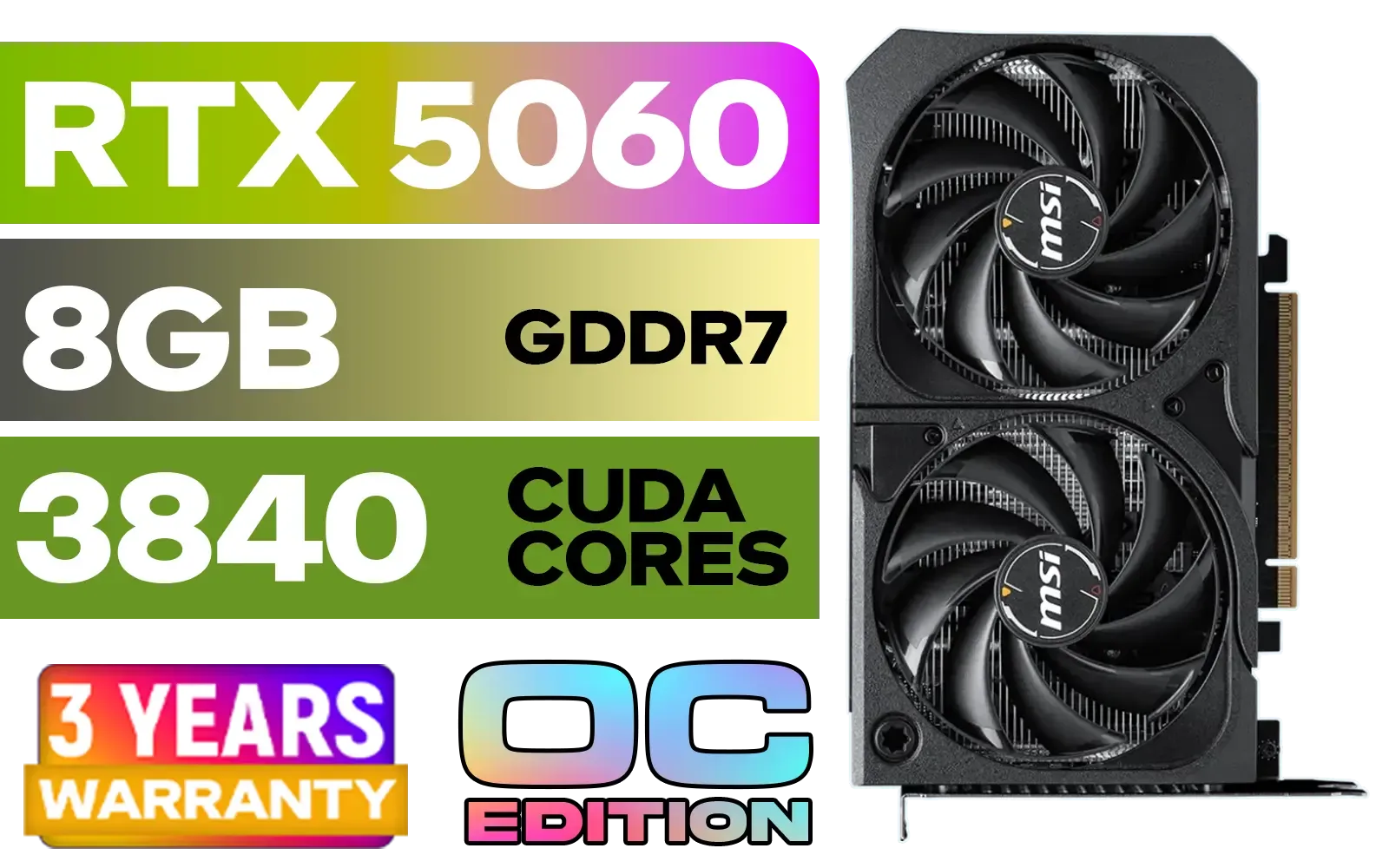
MSI GeForce RTX 5060 8GB Shadow 2X OC Graphics Card / 8GB GDDR7 / 3840 Cuda Cores / 128-bit Memory Interface / Extreme Performance: 2535 MHz / 28 Gbps Memory Speed / DisplayPort x 3 (v2.1b), HDMI™ x 1 / 912-V537-019
R5999.00In Stock
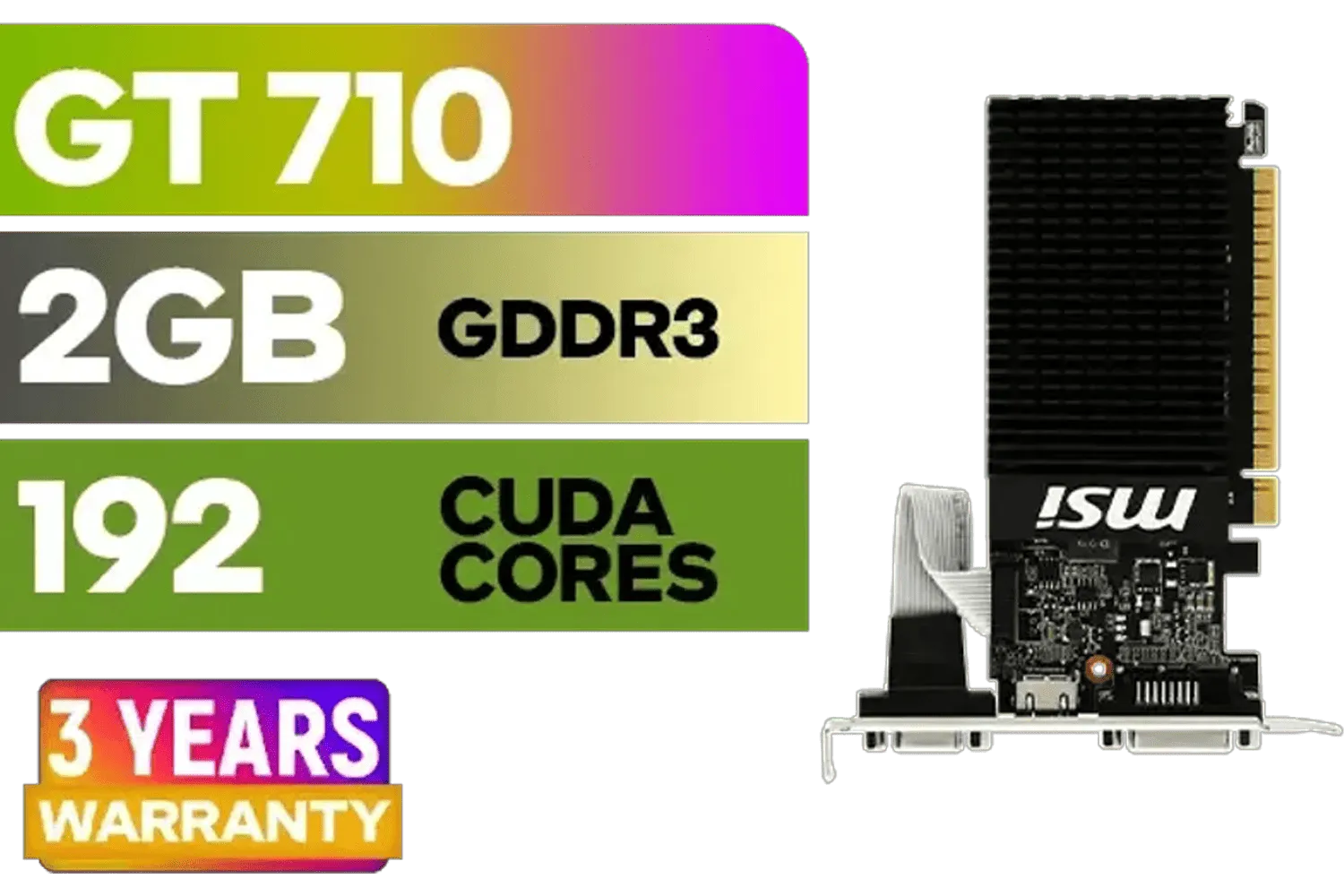
MSI GeForce GT 710 2GD3H LP 2GB DDR3 Graphics Card / 192 CUDA CORES / 64-bit Memory / 1x HDMI / 1x Dual-link DVI-D / 1x D-Sub / 912-V809-4217
R1099.00In Stock

XFX SWIFT AMD Radeon RX 9070 XT Triple Fan 16GB GDDR6 GPU - White / AMD RDNA 4 Architecture / 3rd Gen Radeon Raytracing Accelerators/ AMD Fidelity FX Super Resolution 4.0 Upscaling Technology / RX-97TSWF3W9
R14799.00In Stock

MSI GeForce RTX 5070 Ti 16G Ventus 3X OC / 16GB GDDR7 / 28Gbps Memory Speed / PCI Express® Gen 5 / 912-V531-092
R19999.00In Stock
Not always, but it's getting close! AI upscaling like DLSS and FSR aims to reconstruct an image that's nearly indistinguishable from native resolution while providing a massive performance boost.
The core difference is how they work. DLSS uses dedicated AI hardware (Tensor Cores) on NVIDIA GPUs, while FSR is an open-source spatial upscaler that runs on a wider range of GPUs.
Traditional upscaling, like bilinear filtering, simply stretches a lower-resolution image to fit a larger display. It often results in a blurry or soft final image without adding any new detail.
Yes! Because FSR (FidelityFX Super Resolution) is an open-source technology, it is compatible with a wide range of GPUs, including those from NVIDIA and even older AMD cards.
In early versions, some artifacts were noticeable. However, modern DLSS versions, especially on 'Quality' mode, often produce an image that is as sharp as native resolution.
Performance gains with AI upscaling can be significant, often ranging from 30% to over 100% higher frame rates, depending on the game, settings, and your specific hardware.