

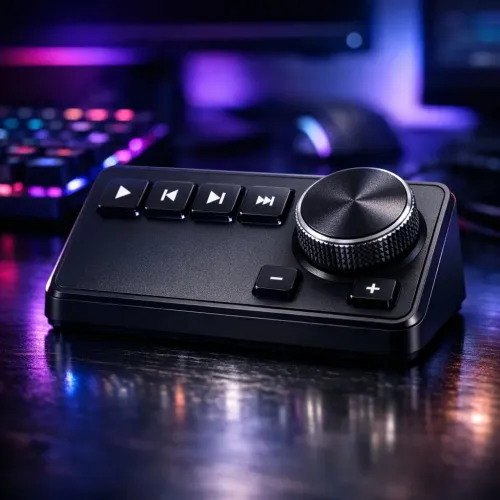
Dedicated Media Keys for Streamers: Improve Workflow Fast
Dedicated media keys give streamers one-touch control to mute, switch scenes, clip highlights, and adjust audio — cutting task time and boosting consistency 🎛️⚡
Read moreBest GPUs for Content Creation 2025—discover the right card to accelerate video editing, 3D renders, and AI tools. Compare VRAM, NVENC/AV1, drivers, and value to pick a pro workflow upgrade. 🚀🎬
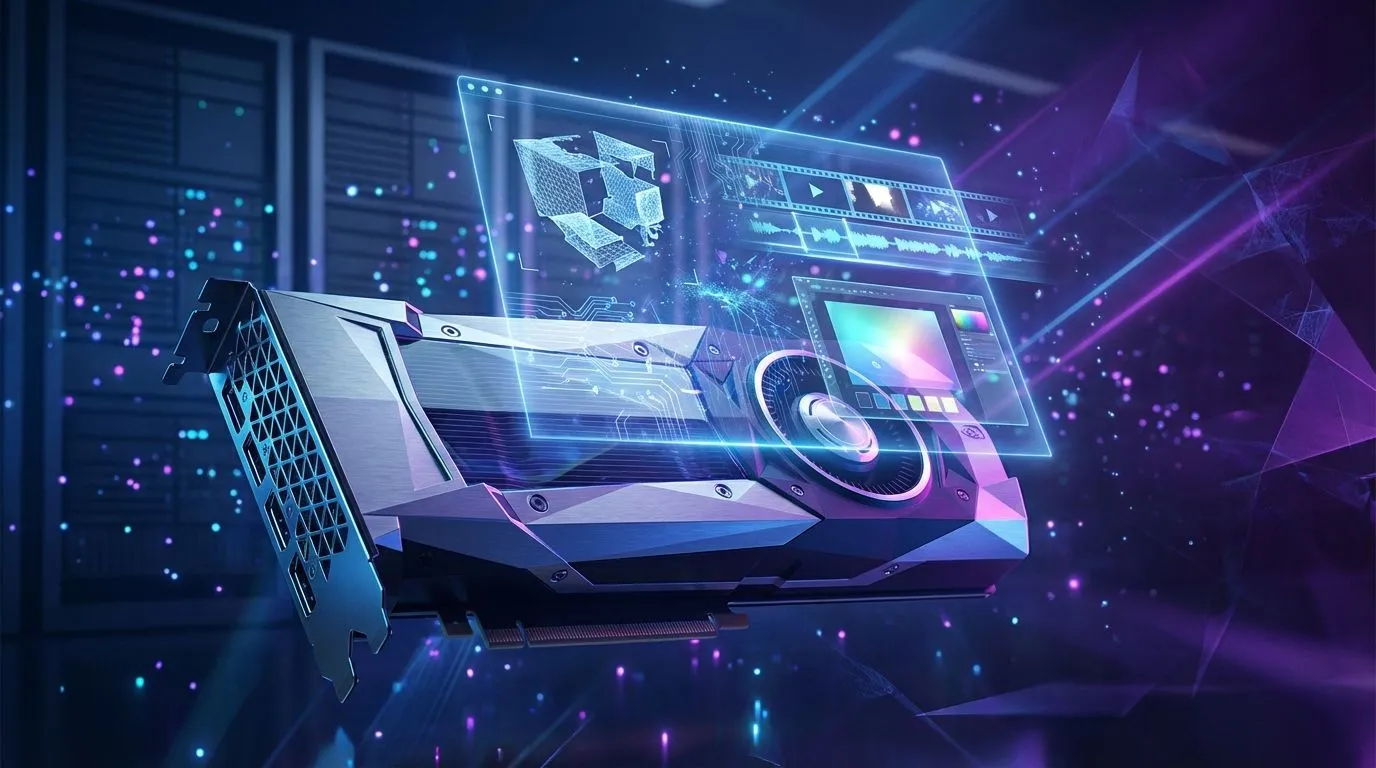
Staring at a render progress bar again? For South African creators, every minute spent waiting is a minute not spent creating... or billing. In 2025, your Graphics Processing Unit (GPU) is more than just a gaming toy; it’s the engine of your entire creative workflow. Choosing the right one means faster exports, smoother timelines, and unlocking new possibilities. Let's find the best GPU for your content creation needs, right here in SA.
Long gone are the days when the CPU did all the heavy lifting. Modern creative applications from Adobe Premiere Pro to Blender and DaVinci Resolve are heavily optimised to use the parallel processing power of a GPU. This is called hardware acceleration, and it dramatically speeds up everything from video playback and colour grading to complex 3D rendering.
The best GPUs for content creation in 2025 leverage specialised hardware like NVIDIA's CUDA cores for general-purpose computing, RT Cores for real-time ray tracing, and dedicated video encoders (like NVENC) that take the strain off your CPU during streaming or exporting. ⚡
Not all creative work is the same, and neither are GPUs. The ideal graphics card for a YouTuber is different from what a 3D artist needs.
Your main concerns are smooth timeline scrubbing with multiple 4K or even 8K layers, and fast export times. VRAM is critical here to handle high-resolution footage without choking. This is where NVIDIA's GeForce RTX series truly shines, with its powerful CUDA acceleration being the industry standard for apps like Premiere Pro and After Effects.
If you live in Blender, Cinema 4D, or Unreal Engine, your world revolves around rendering speed and viewport performance. Raw computational power and a large VRAM pool are non-negotiable. While high-end gaming cards are incredibly capable, professionals working on massive projects with tight deadlines might consider professional workstation graphics cards for their certified drivers and enhanced stability.
For streaming on Twitch or YouTube, a GPU with a high-quality, low-impact video encoder is essential. It allows you to game and stream from a single PC without sacrificing performance. For graphic design in Photoshop or Illustrator, most modern GPUs are more than powerful enough. Here, both NVIDIA and AMD Radeon cards offer fantastic value.
When choosing a GPU for content creation, VRAM (Video RAM) is critical. For 1080p video or basic graphic design, 8GB is manageable. For 4K video, aim for at least 12GB. For 8K workflows or complex 3D scenes, 16GB or even 24GB is the professional standard. More VRAM means smoother playback and fewer crashes when working with large assets.
Navigating the market can be tough, so here’s a breakdown of the top contenders for professional workflows this year.
The tech world never stands still. We're already hearing whispers about the next generation of GPUs, which will likely push AI-powered creative tools even further. Features like generative fill, AI denoising, and frame generation will only get faster and more sophisticated. Keep an eye out for news on upcoming cards like the rumoured RTX 5060, which are expected to bring another leap in performance to the mainstream market.
Ultimately, the best creator GPU is the one that fits your primary software, your project complexity, and your budget. An animator needs a different tool than a streamer. The key is to invest smartly to save your most valuable asset... time. By understanding your own workflow, you can browse specs and reviews to find the right GPU for your budget and accelerate your creative journey.
And whether you're building a new desktop rig from scratch or looking for a pre-built powerhouse, the principles remain the same. Even high-performance creator laptops now pack desktop-class power, giving you flexibility without compromise. ✨
Ready to Find Your Perfect Match? The Mac vs Windows debate is complex, but for maximum power, choice, and value in South Africa, Windows is hard to beat. Explore our massive range of laptop specials and find the perfect machine to conquer your world.
VRAM requirements for 4K video editing: aim for 12–16GB; heavy effects may need 20GB+ for smooth Premiere Pro and DaVinci Resolve playback.
NVIDIA leads for CUDA and NVENC/AV1 encoding with broad app support; AMD offers great price-to-performance and big VRAM. Choose by your apps and codec needs.
For Adobe Premiere Pro, try RTX 4070 Super or 4080 Super for NVENC/AV1 and CUDA. AMD RX 7900 XTX is strong too. Match VRAM to your media and effects.
DaVinci Resolve scales with CUDA/OpenCL; RTX 4080 Super or 4090 excel, while RX 7900 XTX is great value. For heavy 8K or Fusion, target 20GB+ VRAM.
Only if you need ECC VRAM, ISV-certified drivers, or 24/7 stability. For most creators, gaming GPUs deliver top performance-per-cost for content creation.
Balance both. CUDA/stream processors speed effects and AI; VRAM prevents stutter and memory errors. For 4K+, VRAM is often the limiter.
Yes. NVENC AV1 encoding GPU support and AMD AV1 yield smaller files at similar quality, speeding exports and live streams—great for YouTube and Twitch.
For Blender Cycles, RTX 4080 Super/4090 shine with CUDA/OptiX; RX 7900 XTX is strong with HIP. More VRAM helps large scenes and textures.
Dedicated media keys give streamers one-touch control to mute, switch scenes, clip highlights, and adjust audio — cutting task time and boosting consistency 🎛️⚡
Read more
PBT vs ABS keycaps: Clear, local guide for South African gamers—compare feel, sound, durability and where to buy. Find the best material for your budget and playstyle 🎮🇿🇦
Read more
- Multi-Function Digital Dial: define benefits - Show gamer setups and macros - Offer buying and setup tips Multi-Function Digital Dial puts programmable control at your fingertips for faster actions and smoother streaming. 🎮⚙️
Read more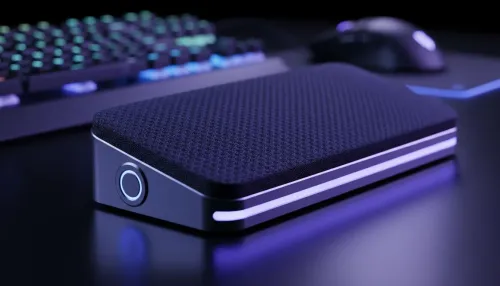
- Explain benefits; - Show the science; - Compare options; - Recommend picks. Magnetic wrist rest for gaming cuts wrist strain and boosts comfort during long sessions 🕹️✨
Read more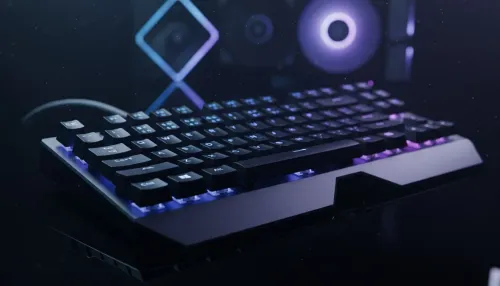
best gaming keyboard South Africa: Learn how to pick a low-latency mechanical keyboard, choose switches, layout and budget for competitive play 🎮⚡
Read more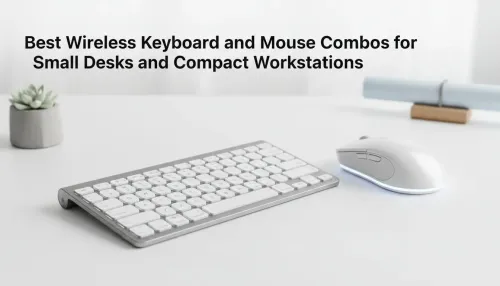
Best wireless keyboard and mouse combo for small desks — curated, space-saving picks that boost comfort and productivity in tight setups. Find low-profile layouts, compact mice, and reliable range to fit your compact workstation. 🖱️⌨️
Read more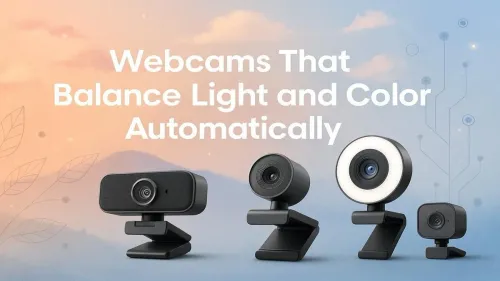
Discover webcams that automatically adjust light and color for crystal-clear video calls 🎥✨. Boost your streaming quality today!
Read more
Discover webcams that blend into your workflow 🎯 Capture moments while you work, stream, or create. Upgrade your setup with smart, multitasking tech!
Read more Dedicated media keys give streamers one-touch control to mute, switch scenes, clip highlights, and adjust audio — cutting task time and boosting consistency 🎛️⚡
Read more PBT vs ABS keycaps: Clear, local guide for South African gamers—compare feel, sound, durability and where to buy. Find the best material for your budget and playstyle 🎮🇿🇦
Read more - Multi-Function Digital Dial: define benefits - Show gamer setups and macros - Offer buying and setup tips Multi-Function Digital Dial puts programmable control at your fingertips for faster actions and smoother streaming. 🎮⚙️
Read more - Explain benefits; - Show the science; - Compare options; - Recommend picks. Magnetic wrist rest for gaming cuts wrist strain and boosts comfort during long sessions 🕹️✨
Read more