CCTV hard drive spindle speed: Why It and Cache Matter
CCTV hard drive spindle speed — • Assess impact on recording & playback; • Recommend CCTV-optimized specs; • Explain reliability vs performance. Learn how RPM and cache size affect frame rates, dropouts and drive life. 🔍💾
|
Loading tags...

Ever tried to pull up CCTV footage of a dodgy moment outside your gate, only to find a pixelated, stuttering mess? It’s a classic Mzansi problem. The culprit often isn't your camera... it's the hard drive struggling to keep up. The secret to smooth, reliable recording isn’t just capacity; it’s about understanding technical details like CCTV hard drive spindle speed and cache size. Let's dive in and make sure your security system is always ready. 🔧
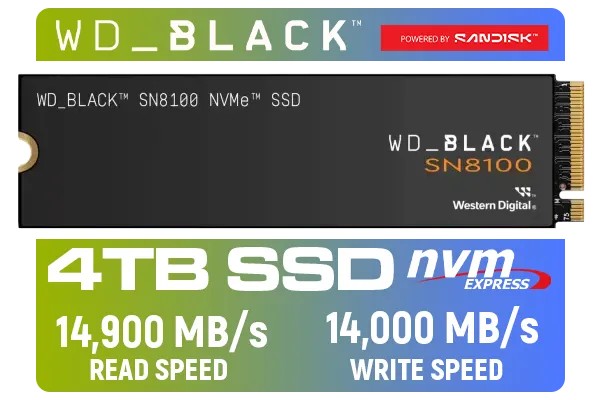
Western Digital SN8100 NVMe Internal Solid State Drive - 4TB / Sequential Read, Write Performance - 14900MB/s, 14000MB/s / PCIe Gen 5 / WDS400T1X0M
R10499.00In Stock
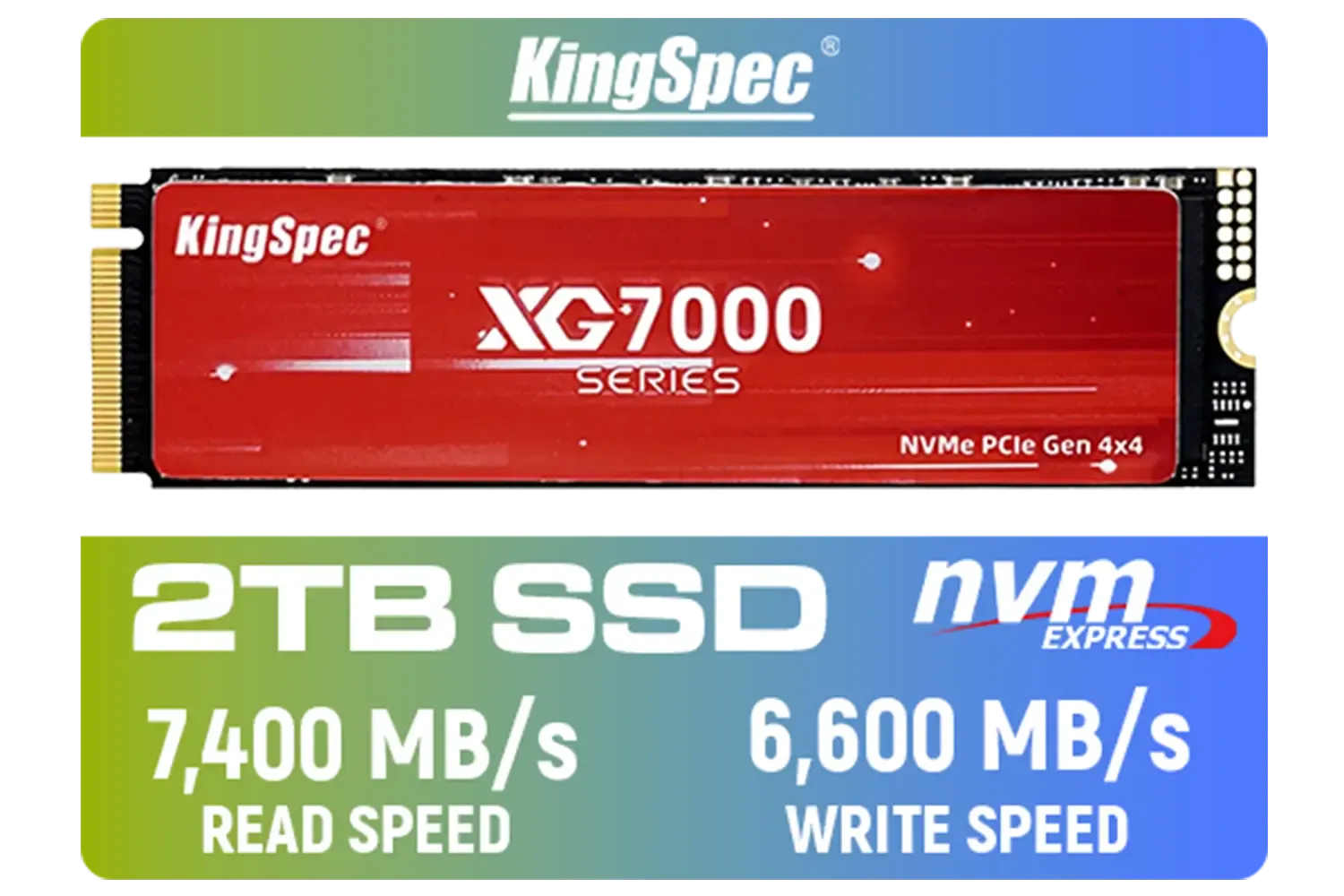
KingSpec XG7000 2TB NVMe Internal Solid State Drive SSD / QLC NAND flash memory / PCIe Gen 4.0, M.2 2280, Up to 7400MB/s/6600MB/s Read/Write Speeds / XG7000-2280-2TB
R3499.00In Stock
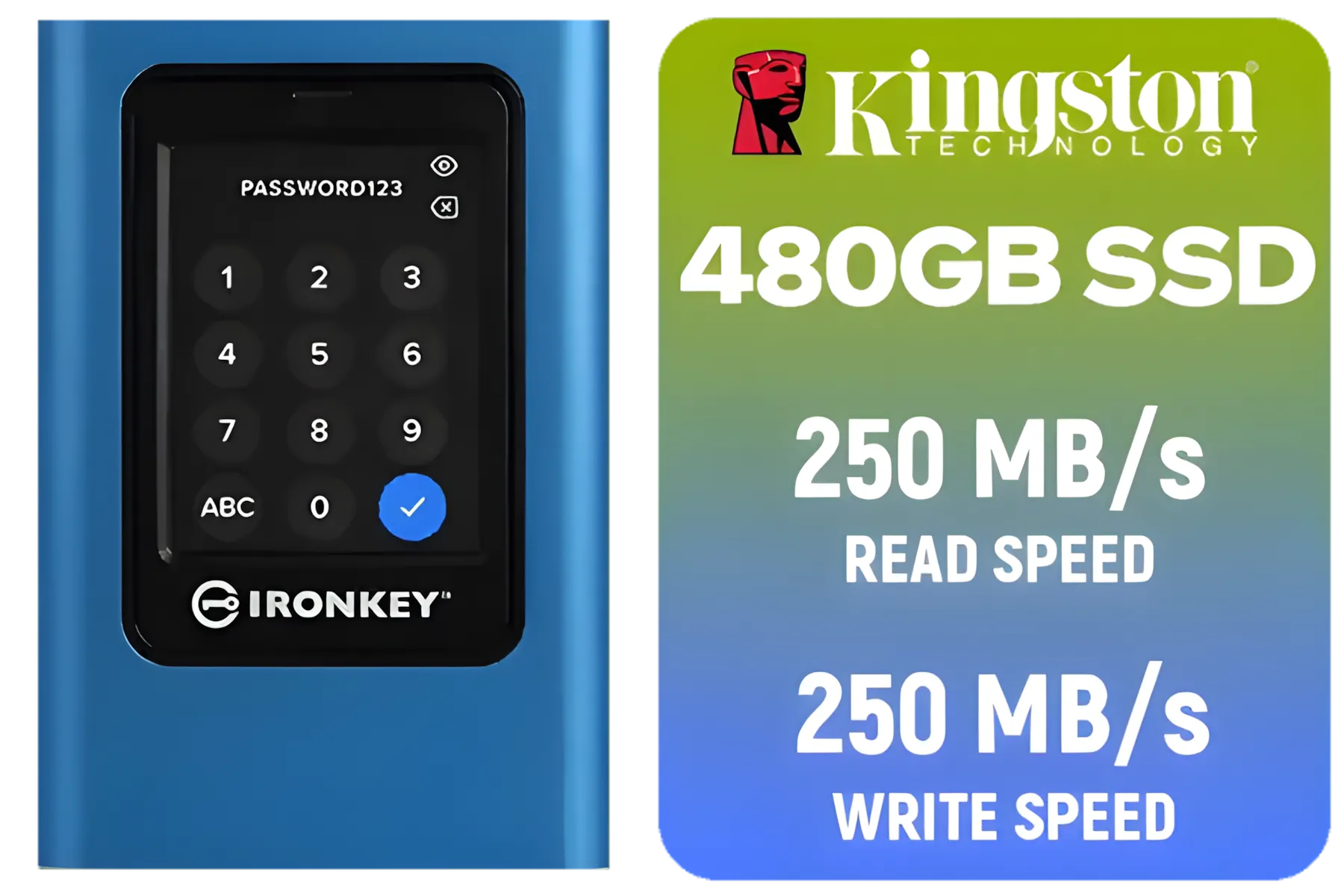
Kingston IronKey Vault Privacy 80 480GB External SSD | FIPS 197 | XTS-AES 256GB Encrypted | Touch Screen PIN | Secure Data Protection | IKVP80ES/480G
R4199.00In Stock
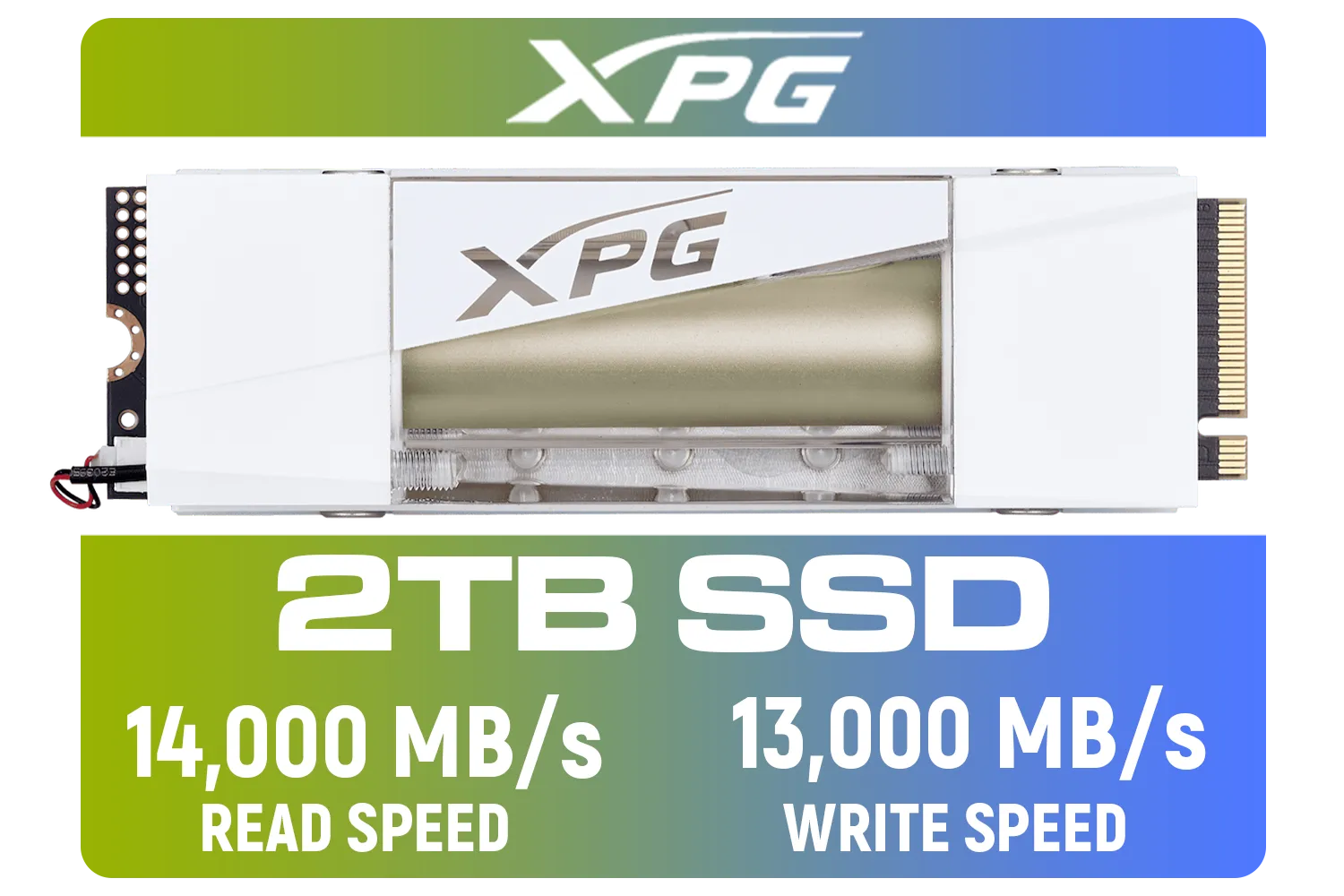
Adata Mars 980 Storm 2TB NVMe SSD / PCIe Gen5 x4 / Up to 14,000MB/s - 13,000MB Sequential Read/Write / SMAR-980S-2TCI
R4499.00In Stock

KLEVV CRAS C930 2TB M.2 NVMe PCIe Gen4x4 Internal Gaming SSD with Heatsink, Compatible with PS5, up to 7400MB/s with DRAM Cash / K02TBM2SP0-C93
R3999.00In Stock
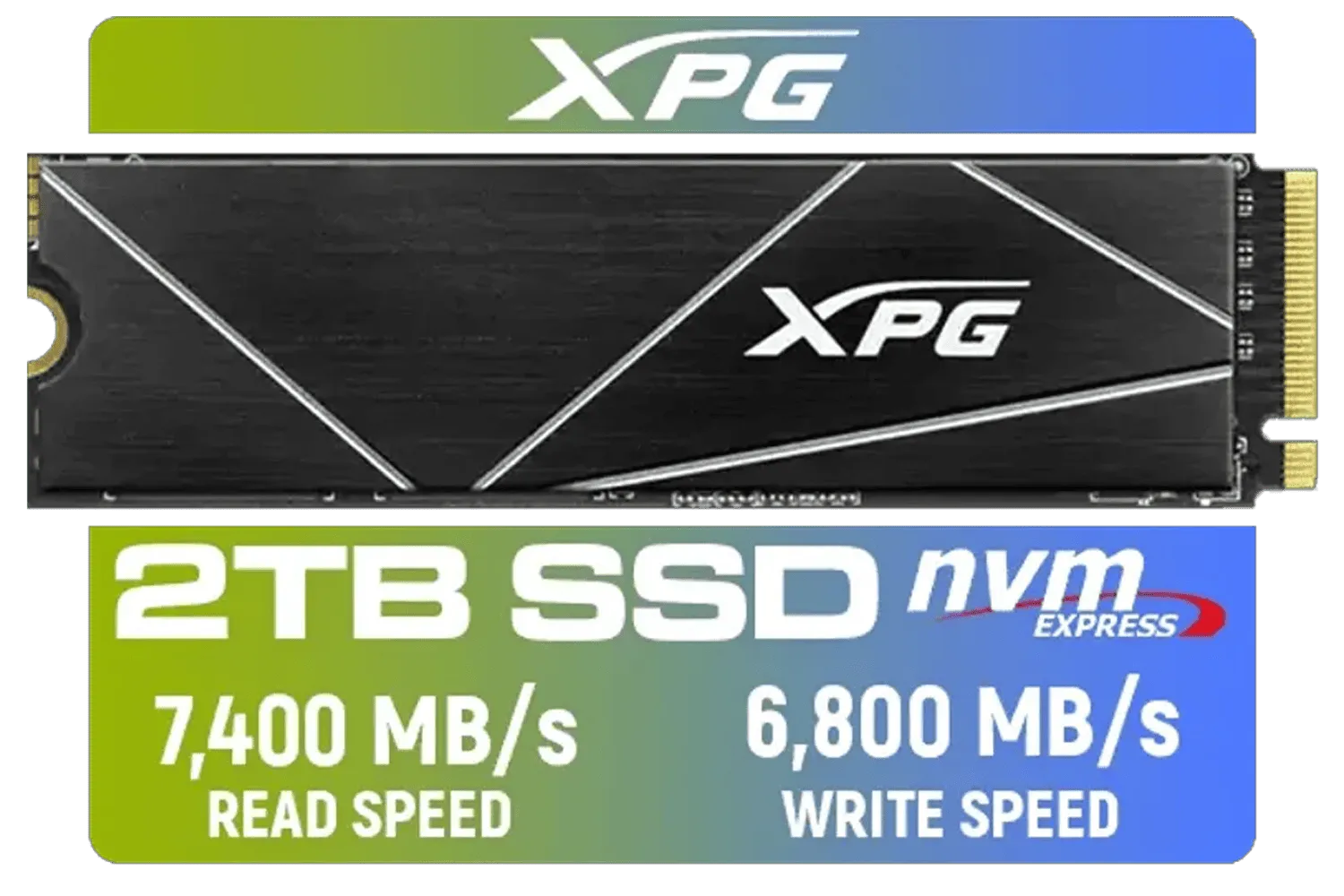
XPG 2TB GAMMIX S70 Blade - Works with Playstation 5, PCIe Gen4 M.2 2280 Internal Gaming SSD Up to 7,400 MB/s (AGAMMIXS70B-2T-CS)
R3699.00In Stock
Understanding Spindle Speed for CCTV
At its core, a hard drive's spindle speed is simple: it’s how fast the magnetic disks (platters) inside it spin, measured in Revolutions Per Minute (RPM). Think of it like a car's engine. A higher RPM generally means the drive's read/write head can find and access data faster. For a standard PC, 7200 RPM is great for loading games quickly.
But for CCTV, the game changes. Your system isn't loading one big file; it's constantly writing multiple video streams, 24/7. While a higher RPM helps, surveillance-optimised drives (often 5400 or 5900 RPM) are specifically engineered for this relentless workload. They prioritise reliability and endurance over raw burst speed, using firmware that prevents dropped frames. The key is choosing from a range of dedicated surveillance hard drives built for the job.
Why Cache is Your Drive's Secret Weapon
If spindle speed is the engine, the cache is the turbocharger. A hard drive's cache is a small amount of super-fast onboard memory (DRAM) that acts as a temporary buffer. When your cameras send a burst of high-resolution data, it hits the cache first before being written to the slower spinning platters.

Corsair MP600 PRO NH 8TB PCIe Gen4 x4 NVMe M.2 SSD – High-Density TLC NAND – M.2 2280 – DirectStorage Compatible - Up to 7,000MB/sec - No Heatsink - Black / CSSD-F8000GBMP600PNH
R22999.00In Stock
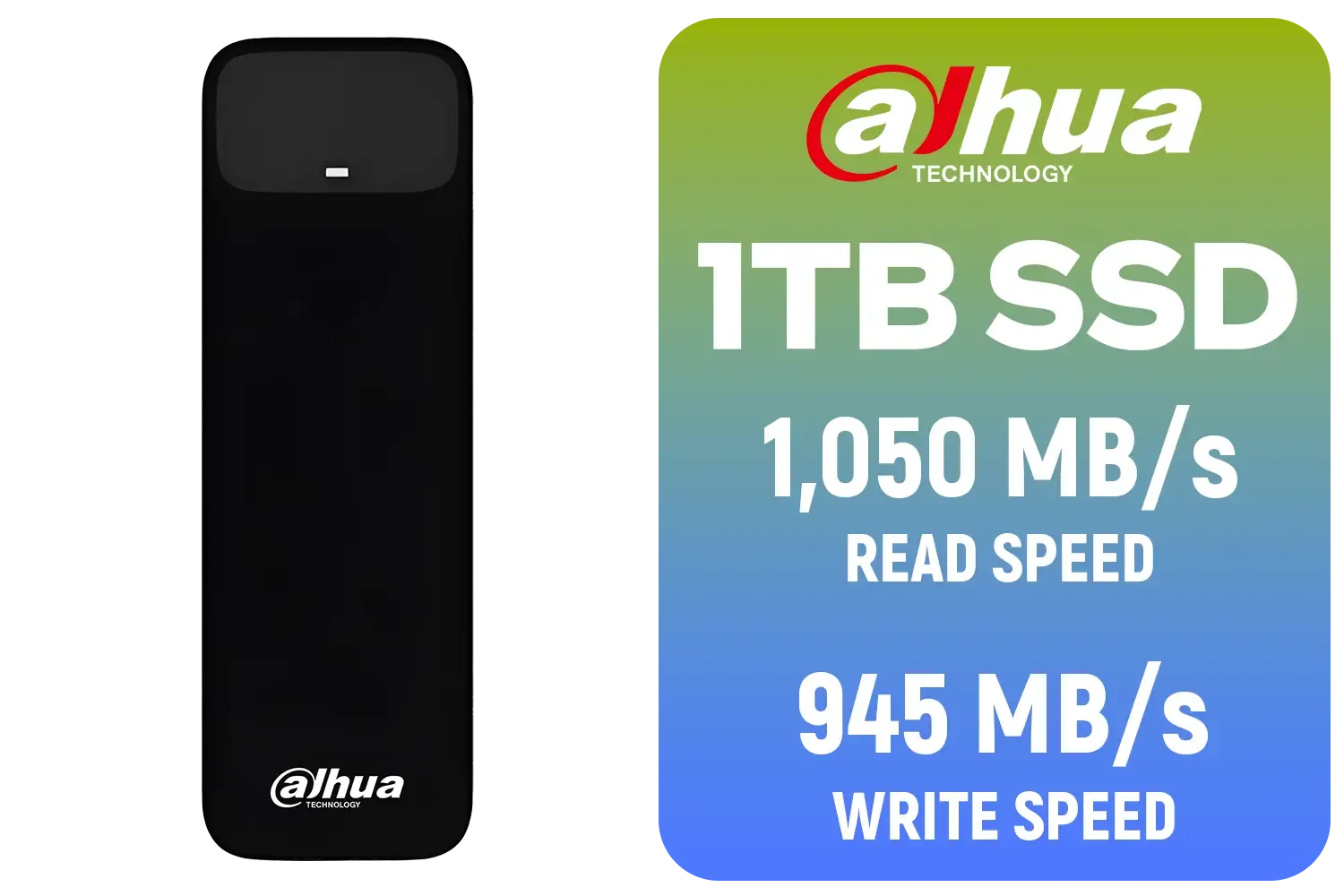
Dahua L7 M.2 1TB NVMe SSD / Read: Up to 1,050 MB/s Write: Up to 945 MB/s / Shock-resistant and drop-resistant design / Aluminum body with heat dissipation / Dual Type-C/Type-A cable included / DHI-PSSD-L7-1TB
R1499.00In Stock
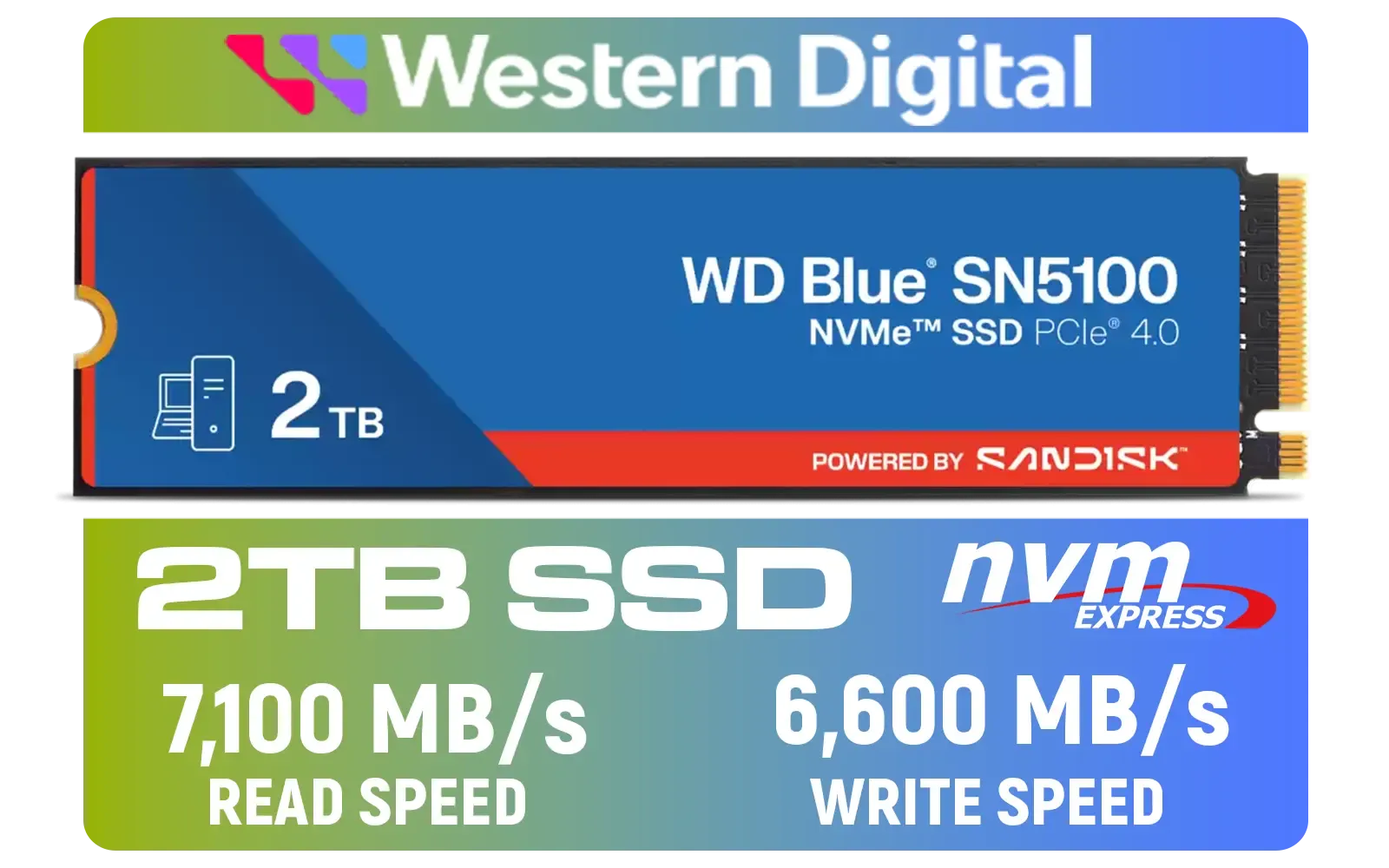
Western Digital 2TB WD Blue SN5100 NVMe Internal Solid State Drive / M.2 2280 Form Factor / Read Speeds up to 7100MB/s / Write Speeds up to 6600MB/s / PCIe Gen 4.0 Interface / nCache™ 4.0 Technology / 3D CBA NAND / Includes Acronis® True Image™ & SanDisk Dashboard Software / WDS200T5B0E
R3799.00In Stock

ORICO e7400 M.2 NVMe SSD - 2TB / PS5 Compatible / PCIe Gen4.0 x4 / Up to 7,400MB/s Read and 6,600MB/s Write Speeds / ORICO-e7400-2TB-GD-BP
R3699.00In Stock
Western Digital SN8100 NVMe Internal Solid State Drive - 4TB / Sequential Read, Write Performance - 14900MB/s, 14000MB/s / PCIe Gen 5 / WDS400T1X0M
R10499.00In Stock

Teamgroup T-Force G70 PRO 2TB NVMe Internal Solid State Drive / Up to 7,400 Read Speed / Up to 6,800 Write Speed / Multiple Caching Systems Available / Patented Graphene Heatsink Technology / TM8FFH002T0C129
R3799.00In Stock
What does this mean for you? A larger cache (e.g., 256MB vs 64MB) provides a bigger buffer, smoothing out data flow and preventing bottlenecks. This is crucial when multiple cameras are recording simultaneously. It’s the difference between capturing a clear license plate and a blurry smudge. Having a solid understanding of CCTV hard drive spindle speed and cache ensures you invest in a drive that won’t fail you. ✨
TIP FOR YOU
Pro Tip: Archive Your Footage 🗄️
recorder's internal drive will eventually overwrite old footage. For critical evidence or long-term storage, regularly back up important clips. Using affordable [external hard drives](https: www.evetech.co.za PC-Components external-hard-drives-126) is a simple and cost-effective way to create a secure, offline archive of your most important recordings.
Spindle Speed vs. SSDs: The Modern Choice?
So, where do Solid State Drives (SSDs) fit in? Since they have no moving parts, the concept of spindle speed is irrelevant. They offer instant access times and incredible read/write speeds, making them a tempting option. For years, the high cost and concerns about write endurance made them impractical for 24/7 surveillance.

Corsair MP700 PRO 1TB with Air Cooler PCIe Gen5 x4 NVMe 2.0 M.2 SSD / Up to 11,700MB/s Sequential Read / Up to 9,600MB/s Sequential Write / M.2 2280 Form Factor / CSSD-F1000GBMP700PRO
R4199.00In Stock
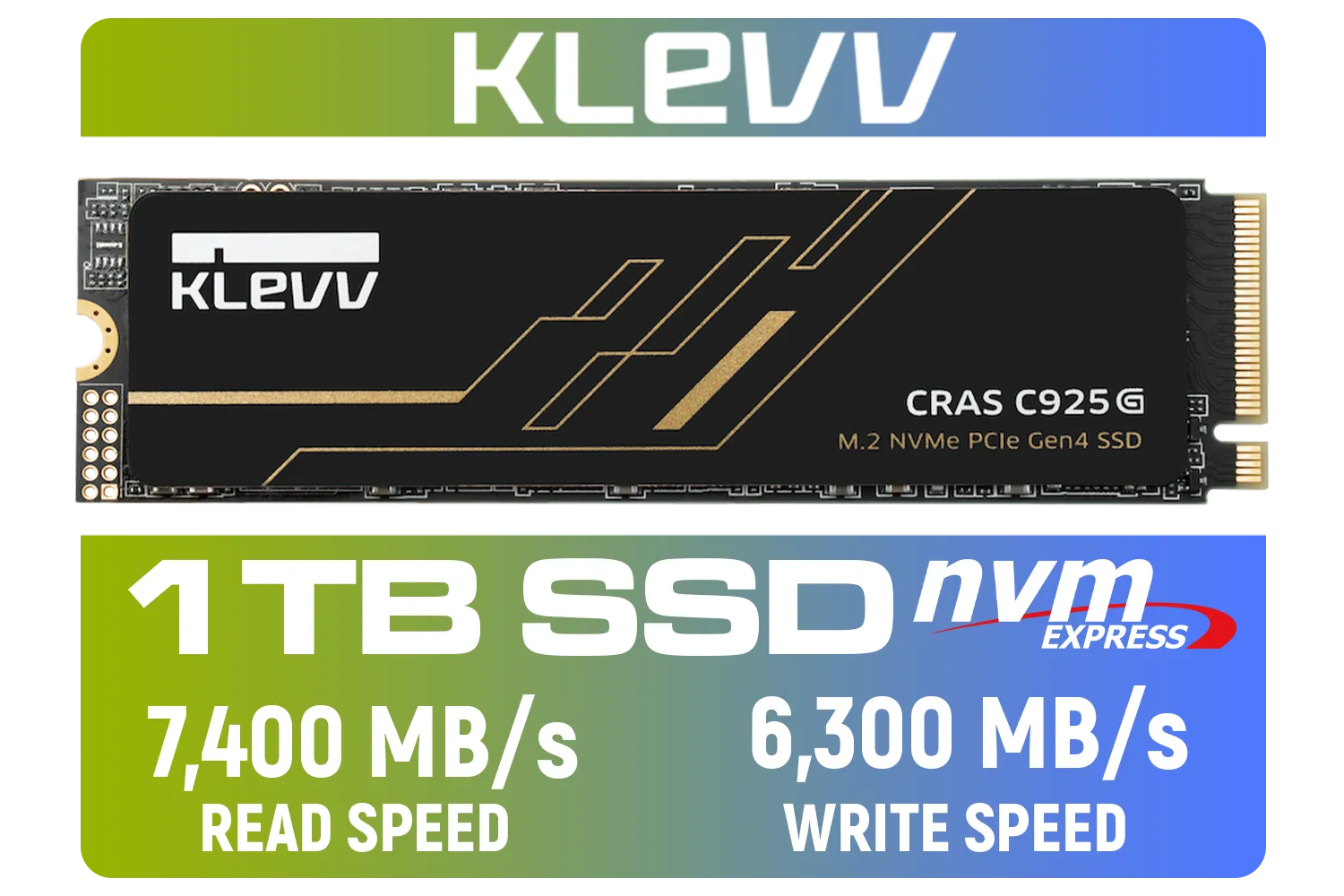
KLEVV CRAS C925G M.2 NVMe Solid State Drive - 1TB / PCIe Gen4x4 / Sequential Read | Write - 7400 | 6300 MB/s / 3D TLC NAND Flash / K01TBM2SP0-25G
R2099.00In Stock
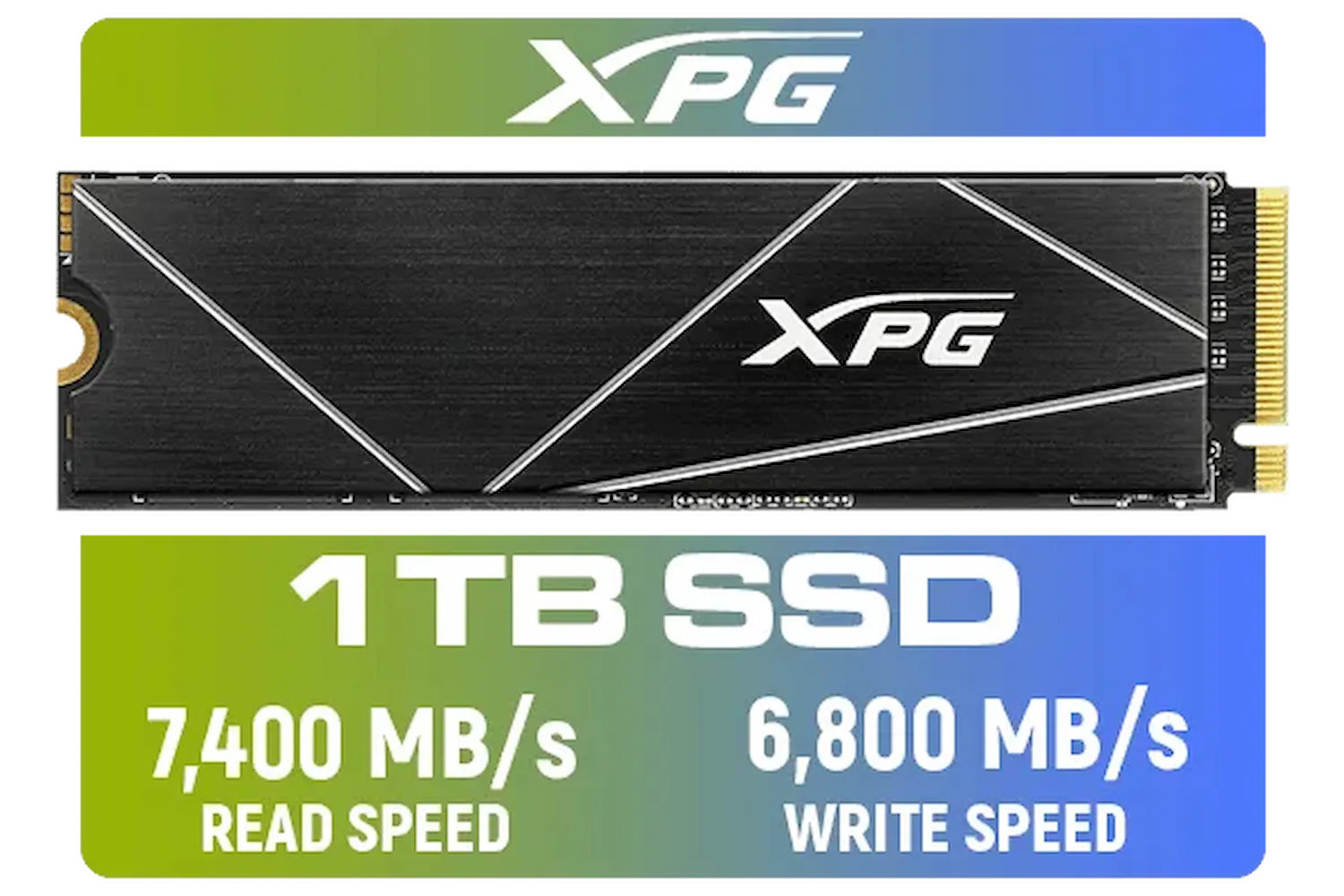
ADATA XPG 1TB GAMMIX S70 Blade - Works with Playstation 5, PCIe Gen4 M.2 2280 Internal Gaming SSD Up to 7,400 MB/s / AGAMMIXS70B-1T-CS
R2599.00In Stock
Corsair MP600 PRO NH 8TB PCIe Gen4 x4 NVMe M.2 SSD – High-Density TLC NAND – M.2 2280 – DirectStorage Compatible - Up to 7,000MB/sec - No Heatsink - Black / CSSD-F8000GBMP600PNH
R22999.00In Stock

ADATA SU650 2TB 3D-NAND SATA 2.5 inch Internal SSD / 520MBs/450MBs - Read/Write Speed / ASU650SS-2TT-R
R1999.00In Stock
Kingston Fury Renegade 2TB PCIe Gen 4.0 NVMe M.2 Internal Gaming SSD with Heat Sink | PS5 Ready | Up to 7300MB/s | SFYRDK/2000G
R4199.00In Stock
However, technology has evolved. Modern Solid State Drives (SSDs) are more durable and affordable than ever. While a high-capacity HDD still offers the best value in ZAR-per-terabyte for mass storage, an SSD can be a powerful choice for smaller systems or as a boot drive for your NVR to make the interface incredibly snappy. When you need to quickly review and export a critical incident file, the speed of an external SSD is unmatched. Ultimately, choosing the right solid state drive depends on balancing your budget with your performance needs. 🚀
Ready to Secure Your Footage? A reliable security system starts with the right storage. Don't let a slow drive be your weak link. Explore our massive range of surveillance-ready hard drives and build a system you can trust.
Related Products
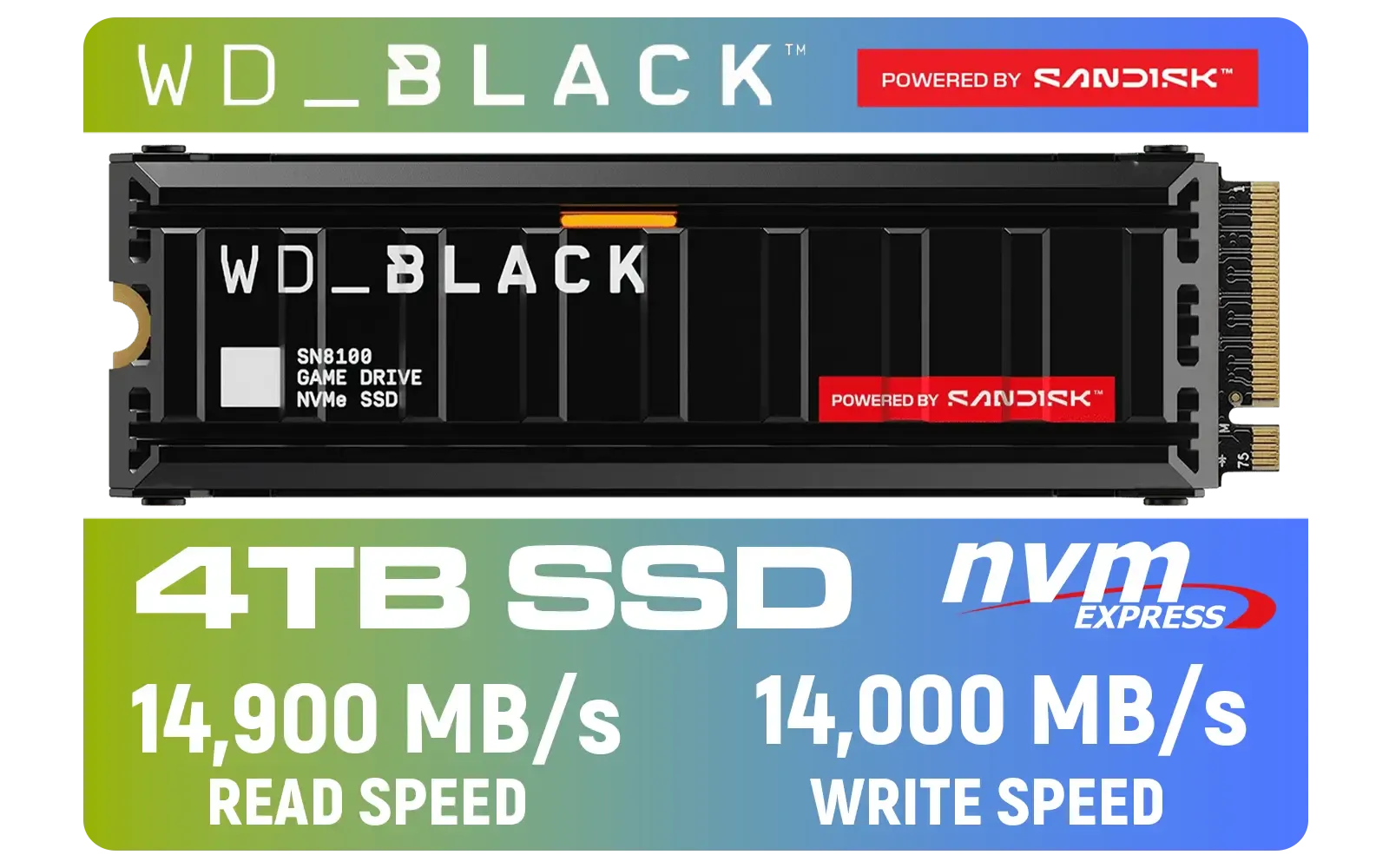
Western Digital SN8100 4TB NVMe Internal Solid State Drive with Heatsink / Read Speeds up to 14,900 MB/s / Write Speeds up to 14,000 MB/s / TCG Opal Security Encryption / nCache™ 4.0, Game Mode, and Adaptive Cooling / Includes SanDisk Dashboard & Acronis® True Image™ Software / WDS400T1XHM
R10499.00In Stock

Kingston IronKey Vault Privacy 80 1.92TB External SSD | FIPS 197 | XTS-AES 256GB Encrypted | Touch Screen PIN | Secure Data Protection | IKVP80ES/1920G
R6999.00In Stock
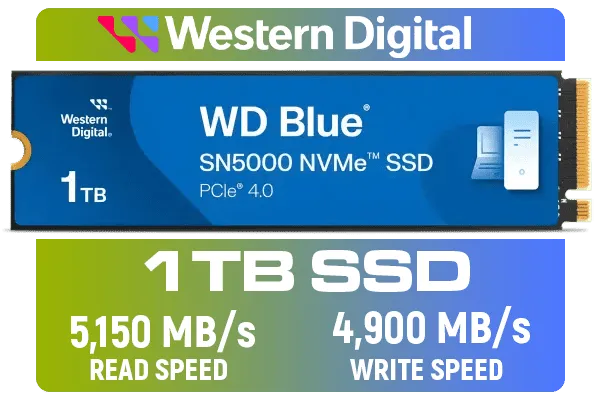
Western Digital 1TB WD Blue SN5000 NVMe Internal Solid State Drive SSD - PCIe Gen 4.0, M.2 2280, Up to 5,150 MB/s / WDS100T4B0E
R1999.00In Stock
Kingston Fury Renegade 2TB PCIe Gen 4.0 NVMe M.2 Internal Gaming SSD with Heat Sink | PS5 Ready | Up to 7300MB/s | SFYRDK/2000G
R4199.00In Stock
Corsair MP600 PRO NH 8TB PCIe Gen4 x4 NVMe M.2 SSD – High-Density TLC NAND – M.2 2280 – DirectStorage Compatible - Up to 7,000MB/sec - No Heatsink - Black / CSSD-F8000GBMP600PNH
R22999.00In Stock

Orico X7000 1TB NVMe Internal Solid State Drive SSD / Versatile storage for multiple platforms / PCIe Gen 4.0, M.2 2280 / Up to 7100MB/s Read Speed / Up to 6500MB/s Write Speed / ORICO-X7000-1TB-RD-BP
R2099.00In Stock
Spindle speed (RPM) is how fast the platters spin. It affects sequential throughput, latency and sustained writes—key for surveillance throughput and reliability.
Higher RPM boosts throughput and reduces latency, helping high-resolution or many-camera setups, but raises heat, power and wear; balance is vital.
Cache buffers bursts and small writes, reducing frame drops during spikes. Larger cache helps multi-stream CCTV workloads and transient peaks.
7200 RPM suits high-bitrate or multi-camera NVRs for smoother writes; 5400 offers lower power, less heat and often longer life for low-bitrate systems.
Yes. A larger cache smooths write bursts and temporary spikes, cutting frame drops in busy surveillance systems.
Compare spindle speed, cache, workload rating, capacity and warranty. Look for drives rated for 24/7 continuous recording and surveillance specs.
Often yes. Surveillance drives offer firmware and durability tuned for continuous writes, lower failure rates and better long-term reliability.