NVIDIA Blackwell Architecture: What It Means for Gamers
- Decode NVIDIA Blackwell architecture benefits - Explain gaming performance gains - Highlight ray tracing and efficiency wins - Guide upgrade choices for gamers NVIDIA Blackwell architecture explained for gamers with clear insights and upgrade tips 🎮
|
Loading tags...

NVIDIA just dropped a bombshell, and its name is Blackwell. Forget incremental updates… this is a seismic shift in graphics technology. While the first chips are aimed at massive AI data centres, the DNA of the NVIDIA Blackwell architecture is what will power the next generation of GeForce GPUs. For South African gamers, this isn't just news; it's a glimpse into a future where photorealistic worlds and impossibly smart AI are the new standard.
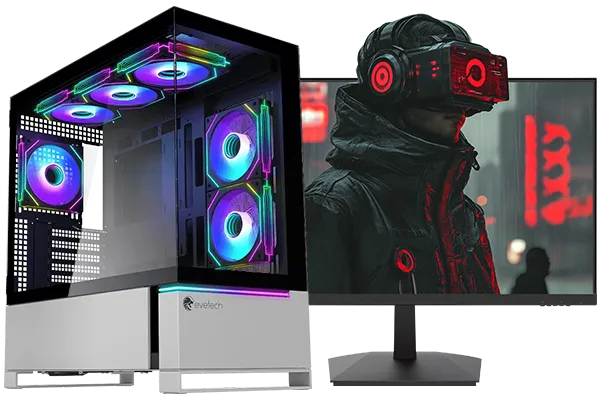
Intel Core Ultra 7 265K 5.3GHz RTX 5070 12GB DDR5 Gaming PC
R30344.00In Stock
AMD RYZEN 7 5700 4.6GHz A1000 8GB Workstation PC
R20159.00In Stock
AMD RYZEN 5 3600 4.2GHz A400 4GB Workstation PC
R9449.00In Stock
RYZEN 5 9600X 5.2GHz GT 710 2GB DDR5 PC
R14489.00In Stock
![[Pre Built] AMD Ryzen 7 9800X3D RX 9070 XT Gaming PC](https://img.evetech.co.za/repository/ProductImages/ryzen-7-9800-x-3-d-rx-9070-xt-gaming-pc-48-gb-main-1600px-v1.webp)
[Pre Built] AMD Ryzen 7 9800X3D RX 9070 XT Gaming PC
R67199.00In Stock
![[Pre Built] Intel Core Ultra 9 285K RTX 5080 Gaming PC](https://img.evetech.co.za/repository/ProductImages/intel-core-ultra-9-285-k-rtx-5080-gaming-pc-48-gb-main-1600px-v1.webp)
[Pre Built] Intel Core Ultra 9 285K RTX 5080 Gaming PC
R76649.00In Stock
What is the NVIDIA Blackwell Architecture, Really?
Think of the NVIDIA Blackwell architecture as the new master blueprint for their next-gen GPUs. It’s the successor to the Hopper architecture used in AI and the Ada Lovelace architecture that powers the incredible RTX 40-series cards.
So, what’s the secret sauce? For the first time in a big way, NVIDIA is using a "chiplet" design. Instead of one massive, monolithic chip, they're connecting smaller, specialised chips together. This allows for massive performance scaling and efficiency gains. While the first reveal was the B200 AI "superchip," the same design principles and core improvements will eventually be scaled down for the consumer GPUs we all crave, likely to be called the RTX 50-series. This new architecture is poised to redefine what's possible in a gaming rig.
How Blackwell Could Transform Your Gaming Experience
The technical details are impressive, but what does the NVIDIA Blackwell architecture actually mean for your frame rates and gameplay? The implications are huge, touching everything from visual fidelity to in-game intelligence. 🚀
Ray Tracing That's Indistinguishable from Reality
Ada Lovelace made real-time path tracing (the most intense form of ray tracing) a reality in titles like Cyberpunk 2077. Blackwell is set to take this to another level entirely. With a brand-new Ray Tracing Engine and more powerful cores, we can expect fully ray-traced environments with complex lighting, reflections, and shadows to run smoothly without needing aggressive upscaling. The goal is simple: pure, uncompromised visual realism that just works.
RYZEN 9 9950X 5.7GHz RTX 5090 32GB DDR5 Gaming PC
R78119.00In Stock
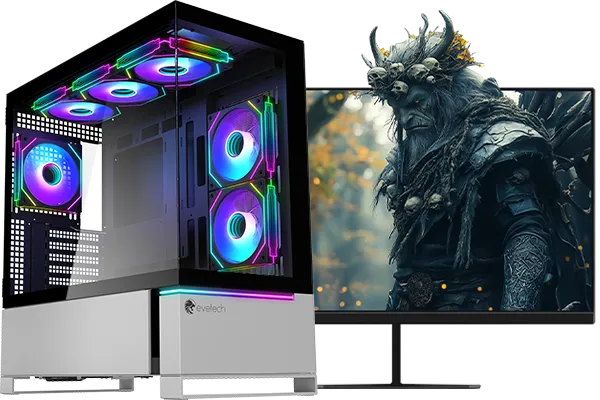
RYZEN 7 7800X3D 5.0GHz RTX 5080 32GB DDR5 Gaming PC
R48719.00In Stock
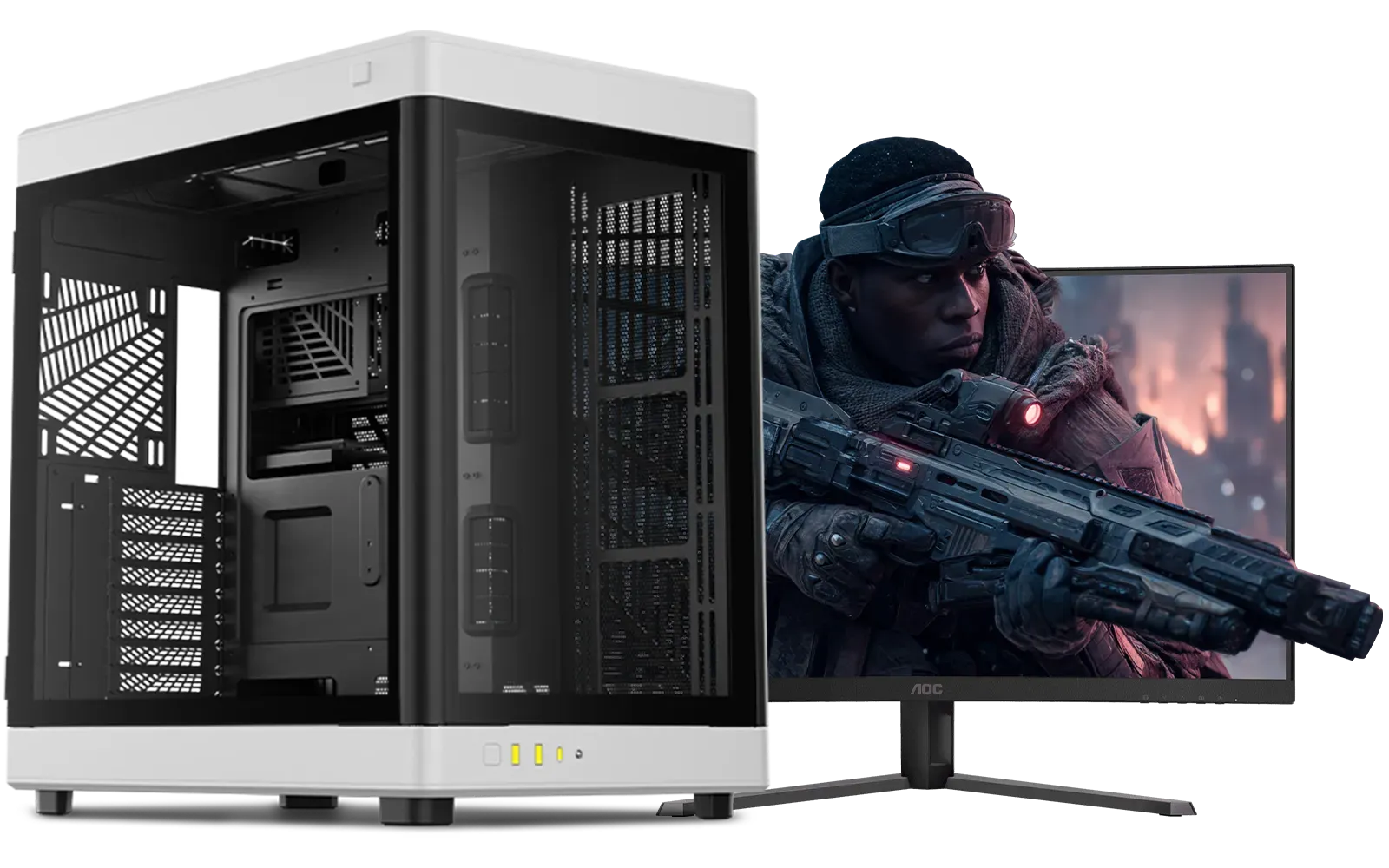
Intel Core Ultra 7 265K RTX Pro 2000 DDR5 Workstation PC
R39689.00In Stock
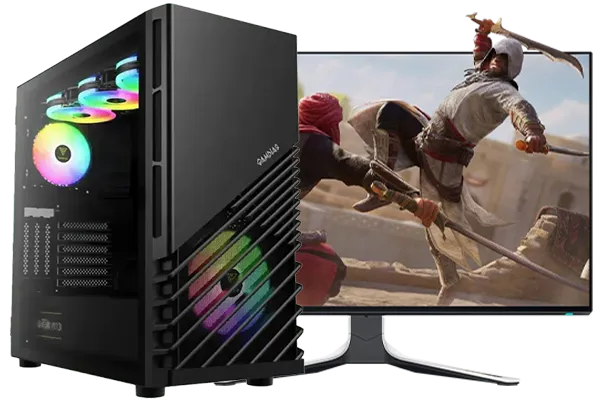
Intel Core Ultra 7 265K 5.3GHz RTX 5060 8GB DDR5 Gaming PC
R29399.00In Stock

RYZEN 7 9700X 5.5GHz RX 9070 XT 16GB DDR5 Gaming PC
R37484.00In Stock
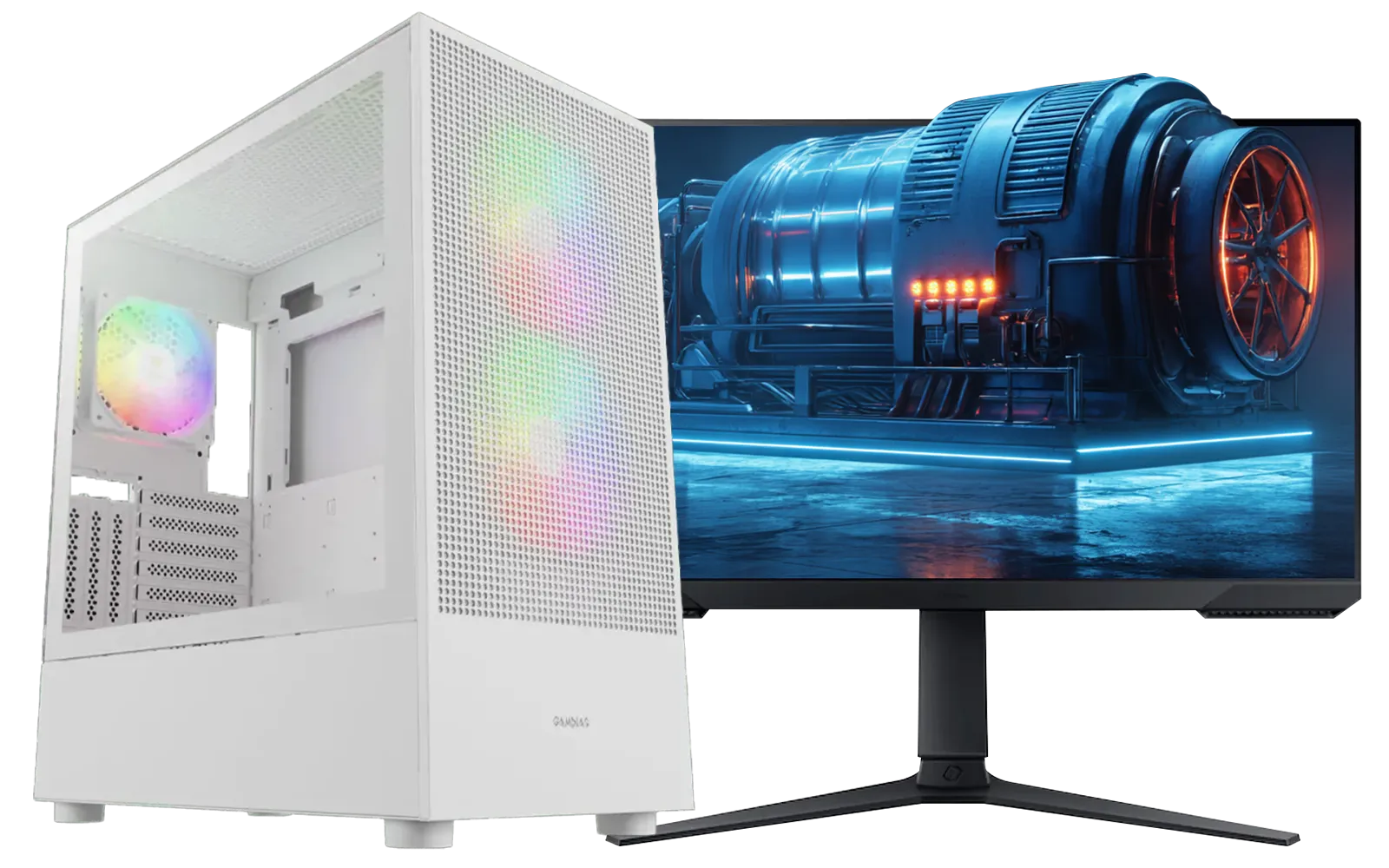
RYZEN 5 9600X 5.2GHz A400 4GB DDR5 Workstation PC
R18164.00In Stock
Next-Generation AI and DLSS
NVIDIA’s Tensor Cores are the engine behind DLSS, the AI-powered tech that boosts frame rates. The NVIDIA Blackwell architecture includes their next-generation Tensor Cores, which promise to make AI's role in gaming even bigger. We’re talking about:
- Smarter DLSS: Potentially even cleaner image reconstruction and frame generation for buttery-smooth gameplay at high resolutions.
- Intelligent NPCs: Imagine non-player characters with dynamic, unscripted behaviour powered by on-the-fly AI processing.
- Procedural Worlds: Faster and more detailed procedural generation for vast, unique game worlds.
This renewed focus on AI hardware will be crucial as the technology competes with offerings from the latest AMD Radeon graphics cards, pushing the entire industry forward.
TIP FOR YOU
Time to Upgrade? ⚡
Deciding when to upgrade your GPU is tough. A good rule of thumb is to upgrade when your current card can no longer provide a stable 60 FPS at your desired resolution and settings in the latest games. Don't chase the absolute newest tech if your current setup still delivers a great experience!
When Can You Get a Blackwell GPU in South Africa?
Here’s where we need to manage expectations. The first Blackwell chips are multi-million-rand behemoths destined for AI research, not for playing Helldivers 2. Historically, NVIDIA launches its enterprise architecture first, with the consumer GeForce versions following 6-12 months later.
A realistic timeline for seeing the first Blackwell-powered gaming GPUs (like a potential RTX 5080 or 5090) in South Africa would be late 2024 at the earliest, but more likely sometime in 2025. Until then, the Ada Lovelace RTX 40-series remains the king of the hill, and the current generation of graphics cards offers incredible performance for today's titles.
RYZEN 7 9700X 5.5GHz RX 9070 XT 16GB DDR5 Gaming PC
R37484.00In Stock
![[Pre Built] AMD RYZEN 7 5700 RTX 5060 Gaming PC](https://img.evetech.co.za/repository/ProductImages/ryzen-7-5700-rtx-5060-gaming-pc-pbs-main-1600px-v1.webp)
[Pre Built] AMD RYZEN 7 5700 RTX 5060 Gaming PC
R18794.00In Stock
Intel Core Ultra 5 225F 4.9GHz GT 710 2GB DDR5 PC
R11864.00In Stock
Intel Core Ultra 7 265K RTX Pro 2000 DDR5 Workstation PC
R39689.00In Stock
RYZEN 7 5700 4.6GHz RTX 5060 Ti 16GB Budget Gaming PC
R20264.00In Stock
AMD RYZEN 5 3600 4.2GHz A400 4GB Workstation PC
R9449.00In Stock
Is Your Current Rig Ready for the Blackwell Leap?
When a Blackwell-powered GPU finally lands, it will likely be a beast. ✨ This means you might need to look at your whole system, not just your graphics card slot.
Future high-end cards will almost certainly demand more power, potentially pushing the new 12VHPWR connector standard even further. This means your power supply (PSU) needs to be up to the task. Furthermore, all that performance generates heat, so good case airflow will be more important than ever. Custom boards from partners like MSI will likely feature beefy cooling solutions to tame the new silicon. The performance jump will be so significant that it will make even the most powerful NVIDIA GeForce graphics cards from a few generations ago look ancient.
Ready for a Graphics Upgrade? While the NVIDIA Blackwell architecture promises a new era of gaming, the future isn't here just yet. But that doesn't mean you have to wait! Explore our massive range of current-gen NVIDIA graphics cards and find the perfect GPU to dominate today's biggest titles.
Related Products

RYZEN 9 9900X 5.6GHz RTX 5070 Ti 16GB DDR5 Gaming PC
R41369.00In Stock
Ryzen 5 9600X 5.4GHz RTX 5060 8GB DDR5 Budget Gaming PC
R21524.00In Stock
![[Pre Built] AMD Ryzen 7 9800X3D RX 9070 XT Gaming PC](https://img.evetech.co.za/repository/ProductImages/ryzen-7-9800-x-3-d-rx-9070-xt-gaming-pc-48-gb-2-tb-nvme-main-1600px-v1.webp)
[Pre Built] AMD Ryzen 7 9800X3D RX 9070 XT Gaming PC
R69299.00In Stock
[Pre Built] Intel Core Ultra 9 285K RTX 5080 Gaming PC
R76649.00In Stock
RYZEN 7 9700X 5.5GHz RX 9070 XT 16GB DDR5 Gaming PC
R37484.00In Stock
AMD RYZEN 5 3600 4.2GHz A400 4GB Workstation PC
R9449.00In Stock
Blackwell architecture is NVIDIA's latest GPU microarchitecture focused on higher ray tracing throughput, AI acceleration, and improved power efficiency for gaming.
Blackwell raises FPS and visual fidelity by boosting ray tracing performance, AI frame reconstruction, and shader efficiency for gaming workloads.
Yes. Blackwell adds updated CUDA and Tensor cores and faster memory interfaces to increase compute density and bandwidth for games and AI.
Generally yes. Blackwell focuses on architectural optimizations and refined process enhancements to deliver better power efficiency versus Ampere.
Standard APIs handle compatibility, but driver updates enable Blackwell-specific optimizations like DLSS improvements and enhanced ray tracing support.
High-end Blackwell GPUs benefit most—especially gamers playing at 4K or using intensive ray tracing and AI upscaling features.
If you need top ray tracing, high-res performance, or AI features, upgrade; if not, wait for reviews, pricing, and model comparisons.