PC component price volatility: when to buy and why
Checklist: • keyword • intent • SEO • tags • author. PC component price volatility explained—what drives swings, when to buy, and tools to track trends. Save on GPUs, CPUs, and RAM. 🔍💡
|
Loading tags...
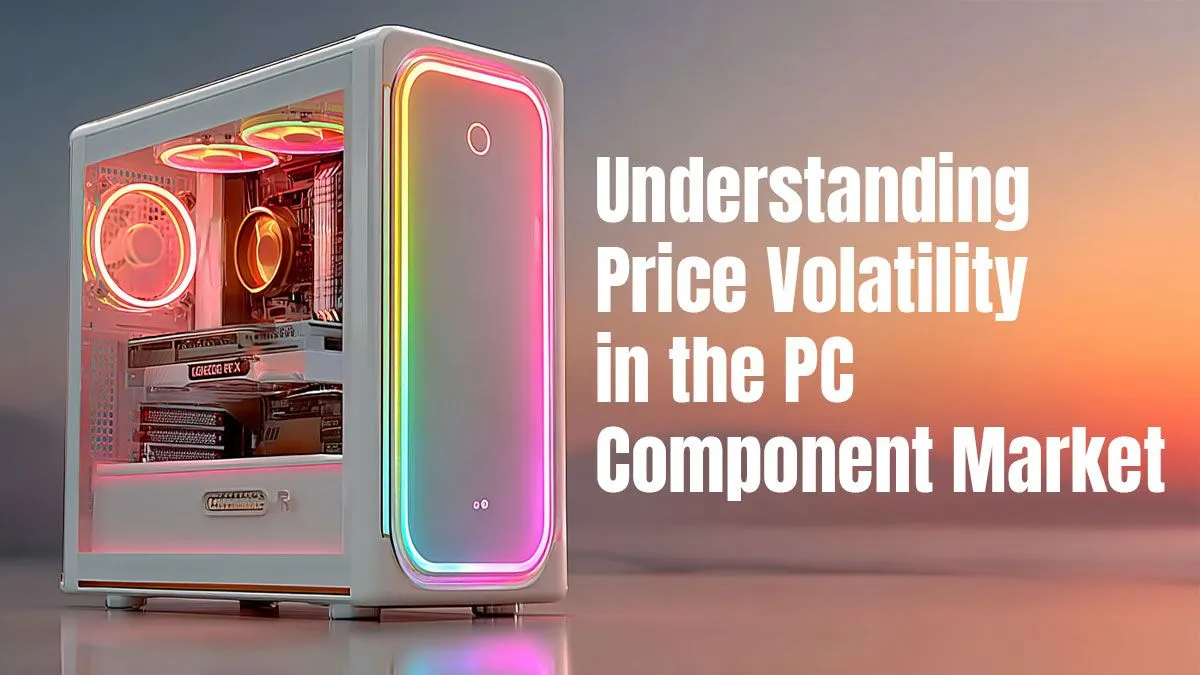
Staring at your dream PC build, watching the total price bounce around like a pinger on a bad connection? You're not alone. For South African gamers, PC component price volatility is a real challenge. One week that GPU is almost in reach; the next, the Rand takes a dip and it's back to window shopping. But what if you could understand the chaos and use it to your advantage? Let's dive into the why and, more importantly, the when of buying your gear. 🇿🇦
![[Pre Built] Intel Core Ultra 7 265KF RX 9070 XT Gaming PC](https://img.evetech.co.za/repository/ProductImages/intel-core-ultra-7-265-kf-rx-9070-xt-gaming-pc-pbs-main-1600px-v1.webp)
[Pre Built] Intel Core Ultra 7 265KF RX 9070 XT Gaming PC
R42209.00In Stock
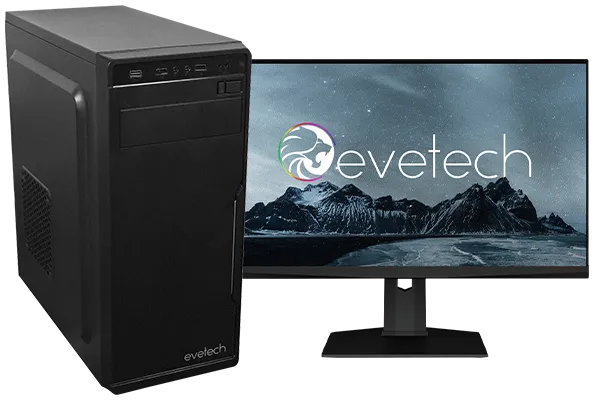
Intel Core Ultra 5 225F 4.9GHz GT 710 2GB DDR5 PC
R11864.00In Stock
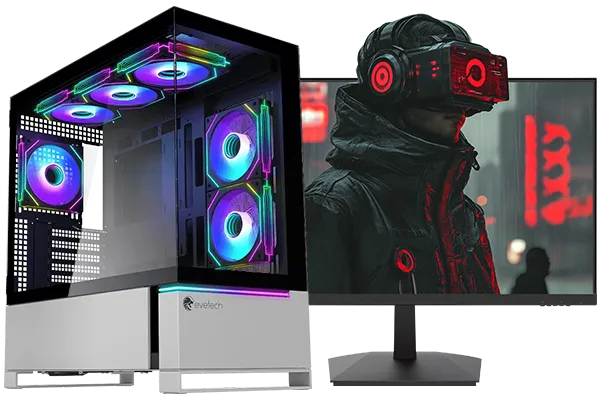
Intel Core Ultra 9 285K 5.7GHz RTX 5090 32GB DDR5 Gaming PC
R80114.00In Stock
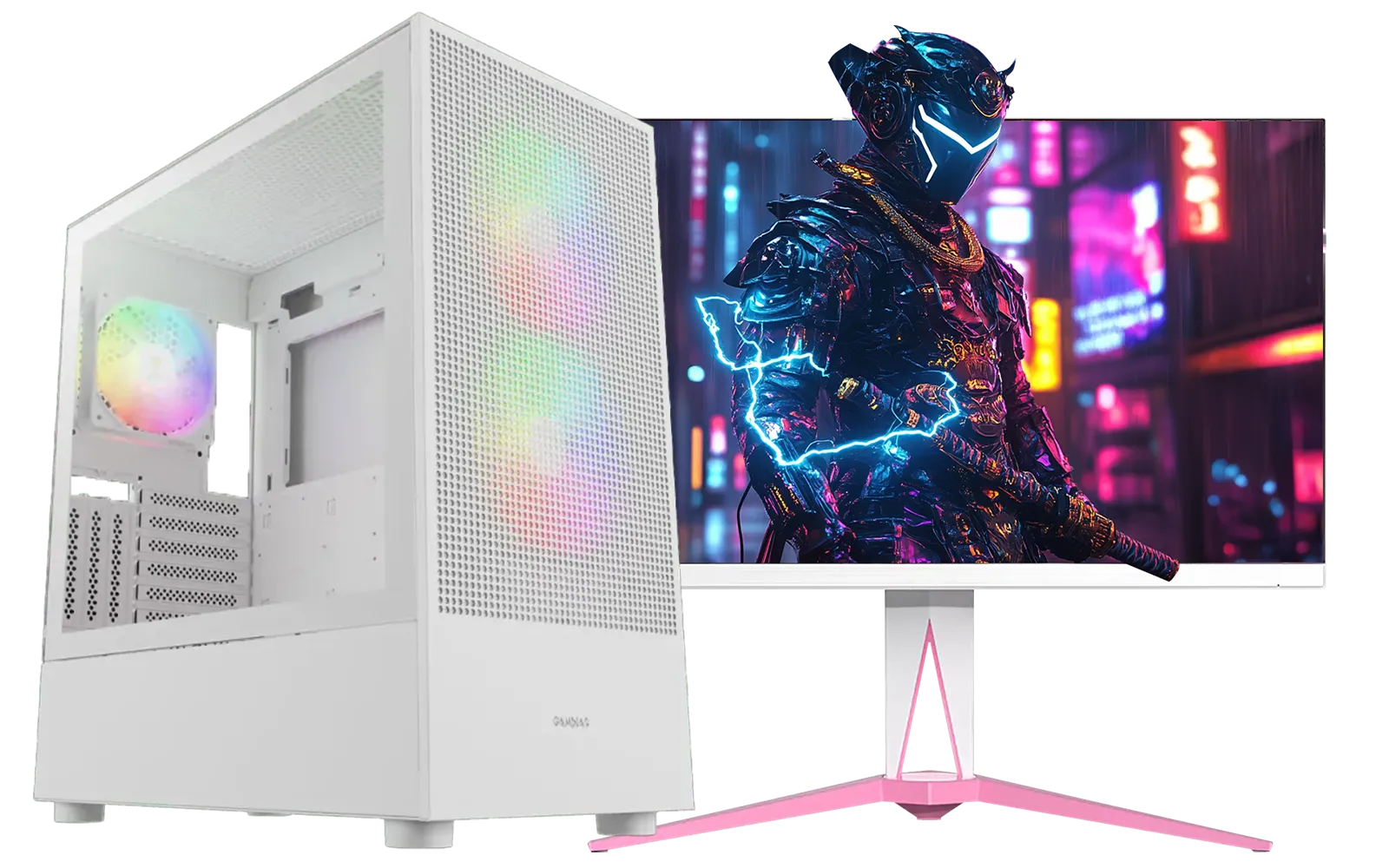
Intel 14th Gen Core i3 14100F 4.7GHz ARC A380 6GB Gaming PC
R12599.00In Stock

Intel Core Ultra 5 225F ARC A380 6GB Gaming PC
R14174.00In Stock
![[Pre Built] AMD RYZEN 9 9900X RX 9070 XT Gaming PC](https://img.evetech.co.za/repository/ProductImages/ryzen-9-9900-x-rx-9070-xt-gaming-pc-pbs-main-1600px-v1.webp)
[Pre Built] AMD RYZEN 9 9900X RX 9070 XT Gaming PC
R42524.00In Stock
Understanding the Price Rollercoaster 📈
The core reason for most PC component price volatility in South Africa is the Rand-to-Dollar exchange rate. Since almost all high-end hardware is imported, any weakness in our local currency directly inflates the price you pay. A R5000 GPU in the US doesn't stay R5000 when it lands here; import duties, shipping, and the exchange rate all add up.
But it's not just about the money. Global supply chains play a massive role. A new architecture launch from NVIDIA or AMD can make prices for the latest graphics cards fluctuate wildly. Similarly, when a new CPU socket is released, you'll often see prices shift for both new and old-generation motherboards as manufacturers and retailers clear stock. Finding the perfect motherboard at the right price is often a game of watching these trends.
![[Pre Built] AMD RYZEN 7 5700 RTX 5060 Gaming PC](https://img.evetech.co.za/repository/ProductImages/ryzen-7-5700-rtx-5060-gaming-pc-pbs-main-1600px-v1.webp)
[Pre Built] AMD RYZEN 7 5700 RTX 5060 Gaming PC
R18794.00In Stock
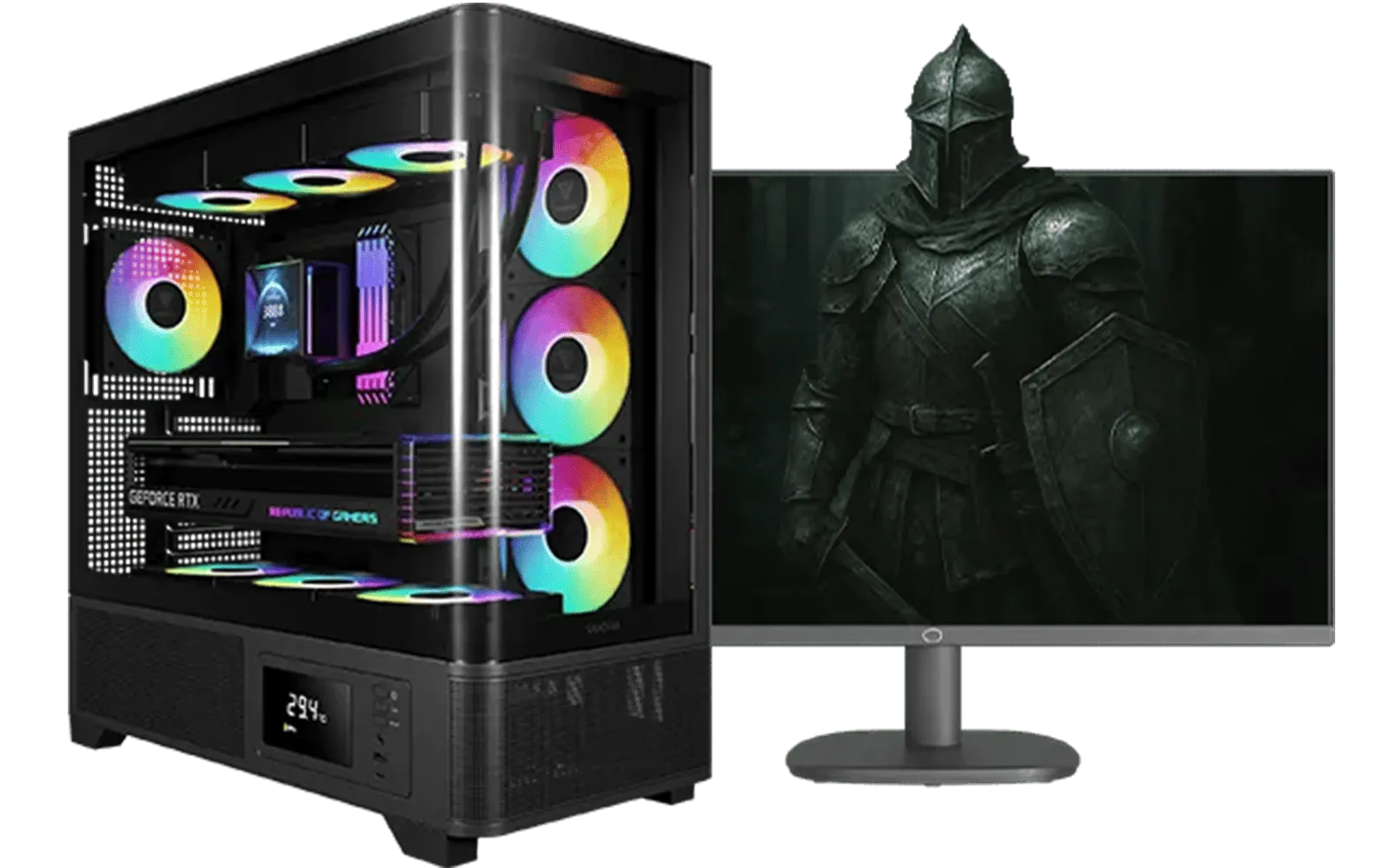
AMD RYZEN 5 3600 RTX 3050 Budget Gaming PC
R11024.00In Stock
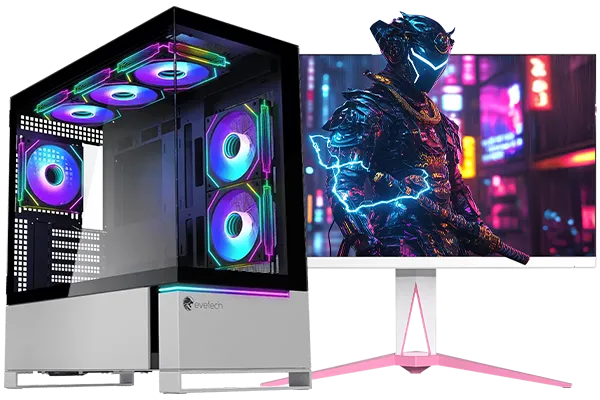
RYZEN 7 7800X3D 5.0GHz RTX 5060 Ti 16GB DDR5 Gaming PC
R26774.00In Stock
![[Pre Built] Intel Core Ultra 9 285K RTX 5080 Gaming PC](https://img.evetech.co.za/repository/ProductImages/intel-core-ultra-9-285-k-rtx-5080-gaming-pc-48-gb-main-1600px-v1.webp)
[Pre Built] Intel Core Ultra 9 285K RTX 5080 Gaming PC
R76649.00In Stock
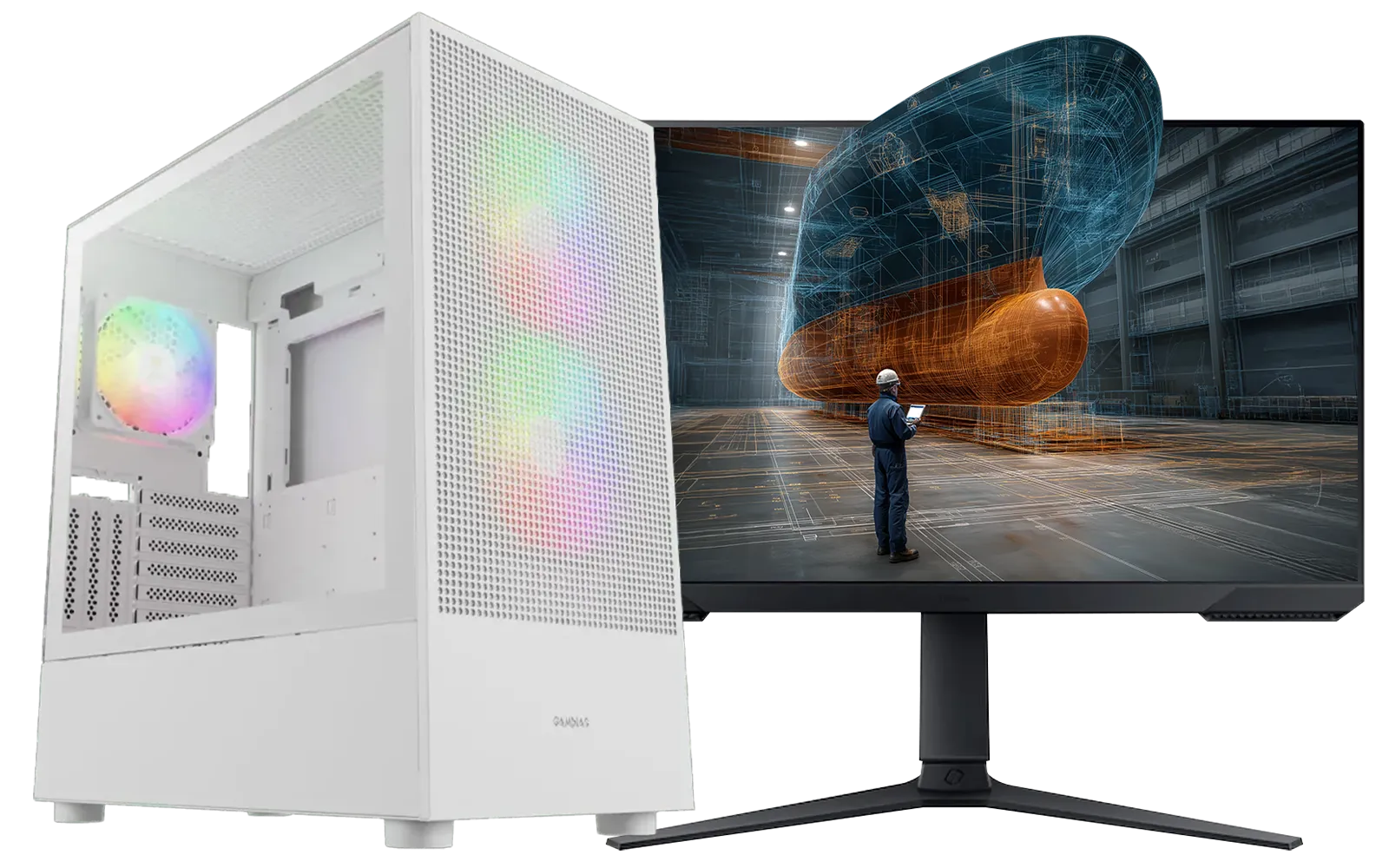
RYZEN 5 9600X 5.2GHz GT 710 2GB DDR5 PC
R14489.00In Stock
AMD RYZEN 5 3600 4.2GHz A400 4GB Workstation PC
R9449.00In Stock
Strategic Timing: When to Pull the Trigger
So, how do you time the market? While there's no magic formula, there are smarter times to buy. The period right after a major new product launch can be a goldmine for deals on the previous generation's hardware. That "old" tech is still incredibly powerful, but its price has to drop to make way for the new king.
Seasonal sales are your other best friend. Black Friday and other holiday promotions often bring significant, if temporary, price drops on everything from high-speed gaming RAM to peripherals. These are the moments to act decisively if an item on your wishlist gets a hefty discount. Patience pays off, but so does being ready to click "buy" when the price is right. Keeping your core components cool is also non-negotiable, and grabbing a reliable CPU cooler during a sale is always a win.
TIP FOR YOU
Pro Tip: Use Your Wishlist ⚡
Add all the components for your dream build to your Evetech wishlist. This doesn't just keep you organised; it creates a personalised price-tracking dashboard. Check it weekly to spot price drops instantly. When you see a component hit your target price, you can pounce on it without hesitation!
Building Smart in a Fluctuating Market
Navigating component price fluctuations doesn't have to be stressful. A great strategy is to prioritise components based on price stability. For instance, the price of a GPU or CPU can swing dramatically, but items like a stylish computer case or a high-quality power supply tend to be much more stable.
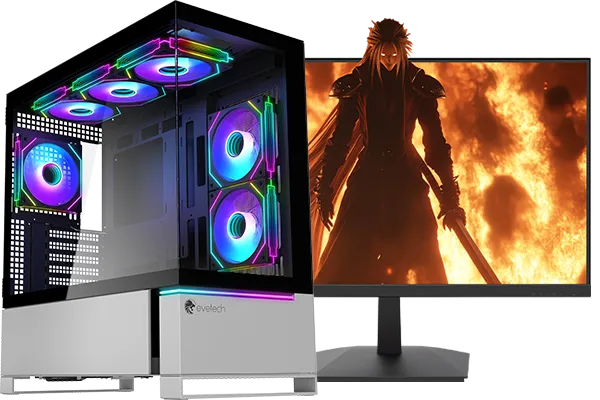
AMD RYZEN 7 5700 4.6GHz RX 9070 16GB Gaming PC
R28349.00In Stock
[Pre Built] AMD RYZEN 9 9900X RX 9070 XT Gaming PC
R42524.00In Stock
AMD RYZEN 5 3600 4.2GHz A400 4GB Workstation PC
R9449.00In Stock
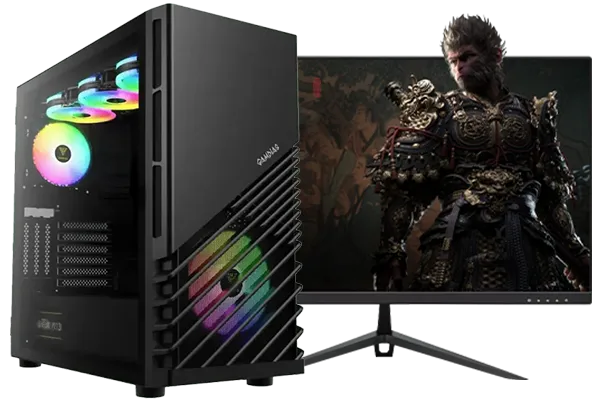
RYZEN 5 9600X 5.2GHz ARC B580 12GB DDR5 Gaming PC
R21419.00In Stock
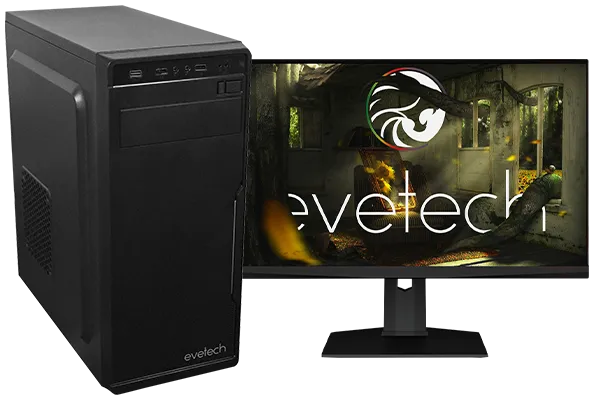
AMD RYZEN 5 3600 4.2GHz GT 710 2GB PC
R6824.00In Stock
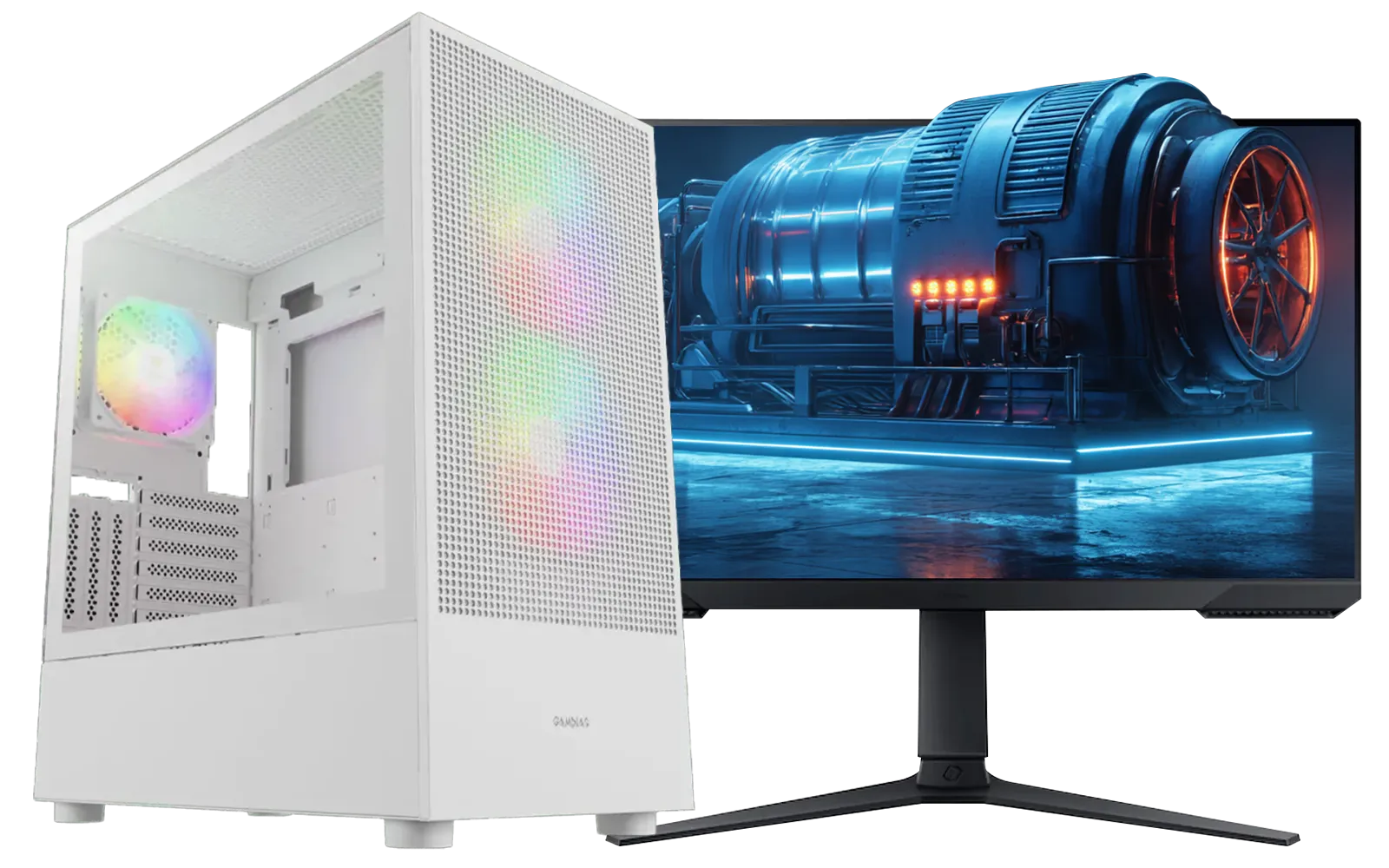
RYZEN 5 9600X 5.2GHz A400 4GB DDR5 Workstation PC
R18164.00In Stock
You can secure these less volatile parts first, then patiently watch the market for your core performers. Securing a quality power supply early means you know exactly what wattage and connections you have to work with when you finally snag that dream graphics card. This piece-by-piece approach spreads the cost and lets you snipe deals as they appear, turning PC component price volatility from a headache into an opportunity. ✨
Ready to Beat the Volatility? Timing the market for every single part can be tough. A component bundle is often the smartest way to get a great deal on a CPU, motherboard, and RAM combo, taking the guesswork out of your core build. Explore our powerful upgrade kits and bundle packs and lock in amazing value today.
Related Products
RYZEN 7 9800X3D 5.2GHz RTX 5080 16GB DDR5 Gaming PC
R51869.00In Stock

RYZEN 9 9900X 5.6GHz RTX 5070 Ti 16GB DDR5 Gaming PC
R41369.00In Stock
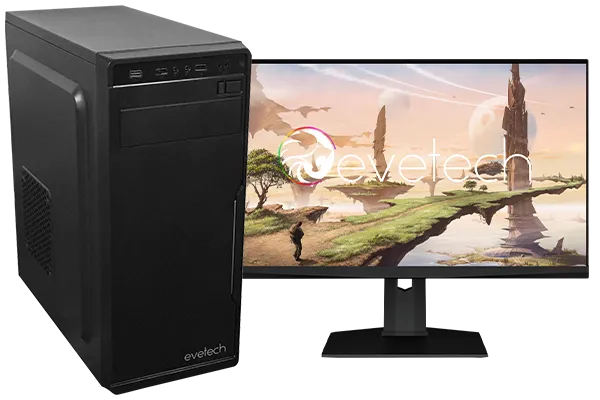
RYZEN 5 8400F 4.7GHz GT 710 2GB DDR5 Workstation PC
R10079.00In Stock
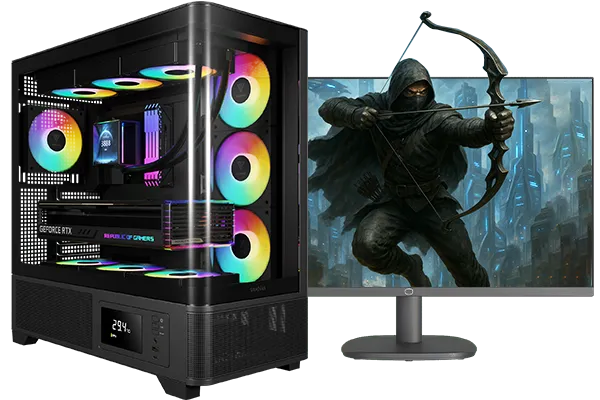
AMD RYZEN 5 8400F 4.7GHz RX 9060 XT 16GB DDR5 Budget Gaming PC
R20159.00In Stock
![[Pre Built] AMD Ryzen 7 9800X3D RTX 5080 Gaming PC](https://img.evetech.co.za/repository/ProductImages/ryzen-7-9800-x-3-d-rtx-5080-gaming-pc-48-gb-main-1600px-v1.webp)
[Pre Built] AMD Ryzen 7 9800X3D RTX 5080 Gaming PC
R77699.00In Stock
[Pre Built] AMD RYZEN 9 9900X RX 9070 XT Gaming PC
R42524.00In Stock
Supply chain shocks, demand spikes, currency shifts, and MSRP moves drive PC parts price trends across GPUs, CPUs, RAM, and storage.
Watch seasonal PC component deals, new-gen launches, and inventory clears. A graphics card price tracker helps spot dips 2–4 weeks after releases.
Often. CPU price trends 2025 show dips near refreshes and holidays. Look for bundles, rebates, and retailer price-match windows.
Import costs track currency. A weaker local currency lifts prices; strength can lower PC parts price trends within weeks, depending on stock.
Memory markets are cyclical. RAM price cycles and NAND shifts swing prices as supply flips between oversupply and shortage.
Map launch calendars, watch chip shortage updates, and use price trackers. The best time to build a PC is often right after new-gen inventory stabilizes.
Set alerts, compare regions, and use APIs. Try graphics card price tracker sites, retailer wishlists, and browser extensions for quick drop pings.