PC Parts Warranty: How Budget Buyers Navigate Claims
PC Parts Warranty made simple: learn how budget PC builders check coverage, prep receipts and serials, and file an RMA without delays. Save time, avoid denials, and keep gaming. 🛠️✅
|
Loading tags...
So, you’ve done it. After weeks of saving and comparing prices, your brand-new PC component has arrived. You unbox it, install it with care, and hit the power button… only for nothing to happen. That sinking feeling in your stomach is real, especially when you’re on a tight budget. For South African gamers, a faulty part isn’t just an inconvenience; it’s a financial blow. But don’t panic. A solid PC parts warranty is your safety net.
![[Pre Built] AMD RYZEN 9 9900X RTX 5070 Ti Gaming PC](https://img.evetech.co.za/repository/ProductImages/ryzen-9-9900-x-rtx-5070-ti-gaming-pc-pbs-main-1600px-v1.webp)
[Pre Built] AMD RYZEN 9 9900X RTX 5070 Ti Gaming PC
R44729.00In Stock
RYZEN 7 9800X3D 5.2GHz RTX 5080 16GB DDR5 Gaming PC
R51869.00In Stock
![[Pre Built] AMD Ryzen 7 9800X3D RX 9070 XT Gaming PC](https://img.evetech.co.za/repository/ProductImages/ryzen-7-9800-x-3-d-rx-9070-xt-gaming-pc-48-gb-main-1600px-v1.webp)
[Pre Built] AMD Ryzen 7 9800X3D RX 9070 XT Gaming PC
R67199.00In Stock

Intel Core Ultra 5 225F ARC A380 6GB Gaming PC
R14174.00In Stock
Intel Core Ultra 7 265K 5.3GHz Quadro A1000 8GB DDR5 Workstation PC
R33389.00In Stock
Intel 14th Gen Core i3 14100F 4.7GHz ARC A380 6GB Gaming PC
R12599.00In Stock
Understanding Your PC Parts Warranty Before You Buy
Before you even add an item to your cart, understanding the warranty is crucial. It’s not just a piece of paper; it’s a promise from the manufacturer that their product is free from defects. For budget buyers, navigating the PC parts warranty process starts here.
Different components come with different warranty periods. A high-performance graphics card might have a three-year warranty, while other parts may have one. Always check the product page for this information. This warranty typically covers manufacturing faults… think a dead-on-arrival part or a component that fails under normal use. It does not cover accidental damage, like dropping your CPU or spilling something on your motherboard. Buying from a reputable local retailer like Evetech ensures your warranty is honoured right here in South Africa.
Intel Core Ultra 7 265K 5.5GHz RX 9070 XT 16GB DDR5 Gaming PC
R40109.00In Stock
[Pre Built] AMD RYZEN 9 9900X RTX 5070 Ti Gaming PC
R44729.00In Stock
Intel Core Ultra 7 265K 5.3GHz RTX 5070 12GB DDR5 Gaming PC
R30344.00In Stock
Intel 14th Gen Core i3 14100F 4.7GHz ARC A380 6GB Gaming PC
R12599.00In Stock
![[Pre Built] Intel Core Ultra 7 265KF RX 9070 XT Gaming PC](https://img.evetech.co.za/repository/ProductImages/intel-core-ultra-7-265-kf-rx-9070-xt-gaming-pc-pbs-main-1600px-v1.webp)
[Pre Built] Intel Core Ultra 7 265KF RX 9070 XT Gaming PC
R42209.00In Stock
Intel Core Ultra 5 225F ARC A380 6GB Gaming PC
R14174.00In Stock
The "Unboxing to Installation" Warranty Checklist 🔧
What you do the moment your components arrive can make or break a future warranty claim. Following a few simple steps protects your purchase and makes any potential claim much smoother.
First, document everything. Before you even break the seal, take a quick video of you unboxing the component. Show the sealed box, the opening process, and the condition of the part itself. This is your ultimate proof that the item didn't arrive damaged.
Next, handle everything with extreme care. Static electricity is the silent killer of PC parts. Before touching sensitive items like your new motherboard or RAM modules, ground yourself by touching a metal part of your PC case. And please, keep all the original packaging, including the box, manuals, and little plastic bags. You will almost certainly need them if you have to send a part back.
TIP FOR YOU
Anti-Static Pro Tip ⚡
You don't need a fancy anti-static wristband, though they help. The simplest way to ground yourself is to plug your power supply into the wall (with the wall switch off) and install it in the case. Then, just periodically touch the bare metal of the case while you build to discharge any static buildup safely.
Navigating a Warranty Claim: A Step-by-Step Guide
Okay, the worst has happened, and a part seems faulty. Here’s how to navigate the claims process without losing your cool.
- Troubleshoot First: Are you sure it's the component? Double-check all your connections. A PC not powering on could be a faulty component, or it could just be a loose cable on your power supply unit (PSU). Consult online forums or a tech-savvy friend to rule out simple user errors.
- Contact Support: If you're confident the part is the problem, contact the retailer you bought it from (that’s us!). Provide your order number and a clear, concise description of the issue and the troubleshooting steps you’ve already taken.
- The RMA Process: If a fault is likely, we’ll initiate an RMA (Return Merchandise Authorisation). You’ll get instructions on how to package the item securely—this is where having the original box is a lifesaver—and where to send it. Make sure it's well-protected inside a quality computer case or its original packaging to prevent shipping damage.
Intel Core Ultra 5 245K 5.2GHz RTX 5060 8GB DDR5 Gaming PC
R30659.00In Stock
Intel Core Ultra 5 225F ARC A380 6GB Gaming PC
R14174.00In Stock
RYZEN 5 9600X 5.2GHz GT 710 2GB DDR5 PC
R14489.00In Stock
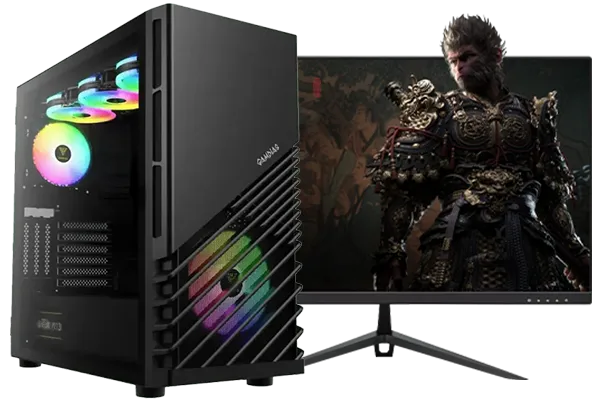
RYZEN 5 9600X 5.2GHz ARC B580 12GB DDR5 Gaming PC
R21419.00In Stock
Intel Core Ultra 9 285K 5.7GHz RTX 5090 32GB DDR5 Gaming PC
R80114.00In Stock
![[Pre Built] HP OMEN 35L B1ZR4EA Intel Core Ultra 7 265K RTX 4080 SUPER Gaming PC](https://img.evetech.co.za/repository/ProductImages/intel-core-ultra-7-265-k-rtx-4080-super-gaming-pc-pbs-main-1600px-v1.webp)
[Pre Built] HP OMEN 35L B1ZR4EA Intel Core Ultra 7 265K RTX 4080 SUPER Gaming PC
R49349.00In Stock
Common Warranty Pitfalls for Budget Builders ✨
For budget-conscious builders, a denied claim is a nightmare. Here are the most common mistakes that can void your PC parts warranty:
- Physical Damage: This is the big one. Bent motherboard pins, a cracked PCB, or a chipped GPU core are considered user-inflicted damage and are not covered. Be gentle during installation.
- Modifying Components: Don't try to be a hero. Removing the stock heatsink from a reliable CPU cooler or graphics card can instantly void its warranty.
- "Grey" Imports: That deal from an obscure international site might seem great, but it often comes with no local warranty support. You’ll be stuck trying to ship the part overseas, which is a costly and time-consuming mess. Buying tested upgrade kits or bundles from a local dealer simplifies compatibility and warranty claims significantly.
Ultimately, a good warranty is part of the value you get when you buy. It’s peace of mind in a box, ensuring your hard-earned cash is well-spent.
Ready to Build with Confidence? A PC parts warranty isn't a scary document... it's your assurance of quality. Now that you know how to protect your investment, you can build your dream rig without the stress. Explore our massive range of PC components and find the perfect parts, backed by solid local support.
Related Products
RYZEN 7 7800X3D 5.0GHz RTX 5060 Ti 16GB DDR5 Gaming PC
R26774.00In Stock
[Pre Built] Intel Core Ultra 7 265KF RX 9070 XT Gaming PC
R42209.00In Stock
Intel Core Ultra 7 265K 5.5GHz RX 9070 XT 16GB DDR5 Gaming PC
R40109.00In Stock
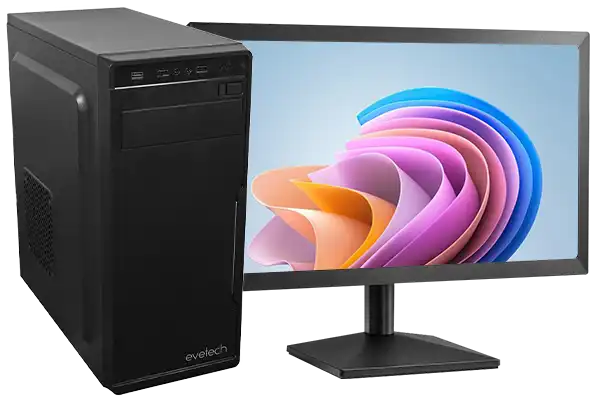
RYZEN 5 8500G 5.0GHz with Vega Graphics DDR5 PC
R11024.00In Stock

RYZEN 7 9700X 5.5GHz RX 9070 XT 16GB DDR5 Gaming PC
R37484.00In Stock
Intel 14th Gen Core i3 14100F 4.7GHz ARC A380 6GB Gaming PC
R12599.00In Stock
Find the serial and run a manufacturer warranty check; keep your proof of purchase. If retailer coverage ended, use the GPU RMA process for PC parts.
Retailers handle early returns or DOA swaps. After that window, the manufacturer RMA process applies based on serial and terms.
Register the board, open a ticket, add diagnostics, photos, and receipt, then ship in anti-static packaging. Follow the motherboard warranty check steps.
Often yes, but with shorter, seller-only terms. Verify serial eligibility and warranty length before buying refurbished PC parts.
Misuse and physical damage can void coverage. Warranty-void stickers may be unenforceable; always follow the vendor’s terms.
Typical turnaround is 7–21 business days after approval. Some brands offer advanced RMA or local swap for faster service.
Some brands accept invoices or use serial start dates, but proof of purchase speeds approval for PC parts warranty claims.
You usually pay to ship to the service center; vendors often cover return shipping. Use tracked, insured delivery and pack accessories.