RTX 3050 6GB vs 8GB: Key Differences and Which to Buy
RTX 3050 6GB vs 8GB — quick breakdown of performance, VRAM impact, power draw and price to help you choose the right model for gaming or editing. 🔍💡
|
Loading tags...

Shopping for a budget graphics card in SA? The RTX 3050 is a tempting option, but a newer 6GB version just complicated things. Is it a savvy saving or a performance trap? Let's break down the key differences in the RTX 3050 6GB vs 8GB debate to help you spend your Rands wisely. The answer isn't just about 2GB of VRAM... it's about what NVIDIA trimmed to hit that lower price point.
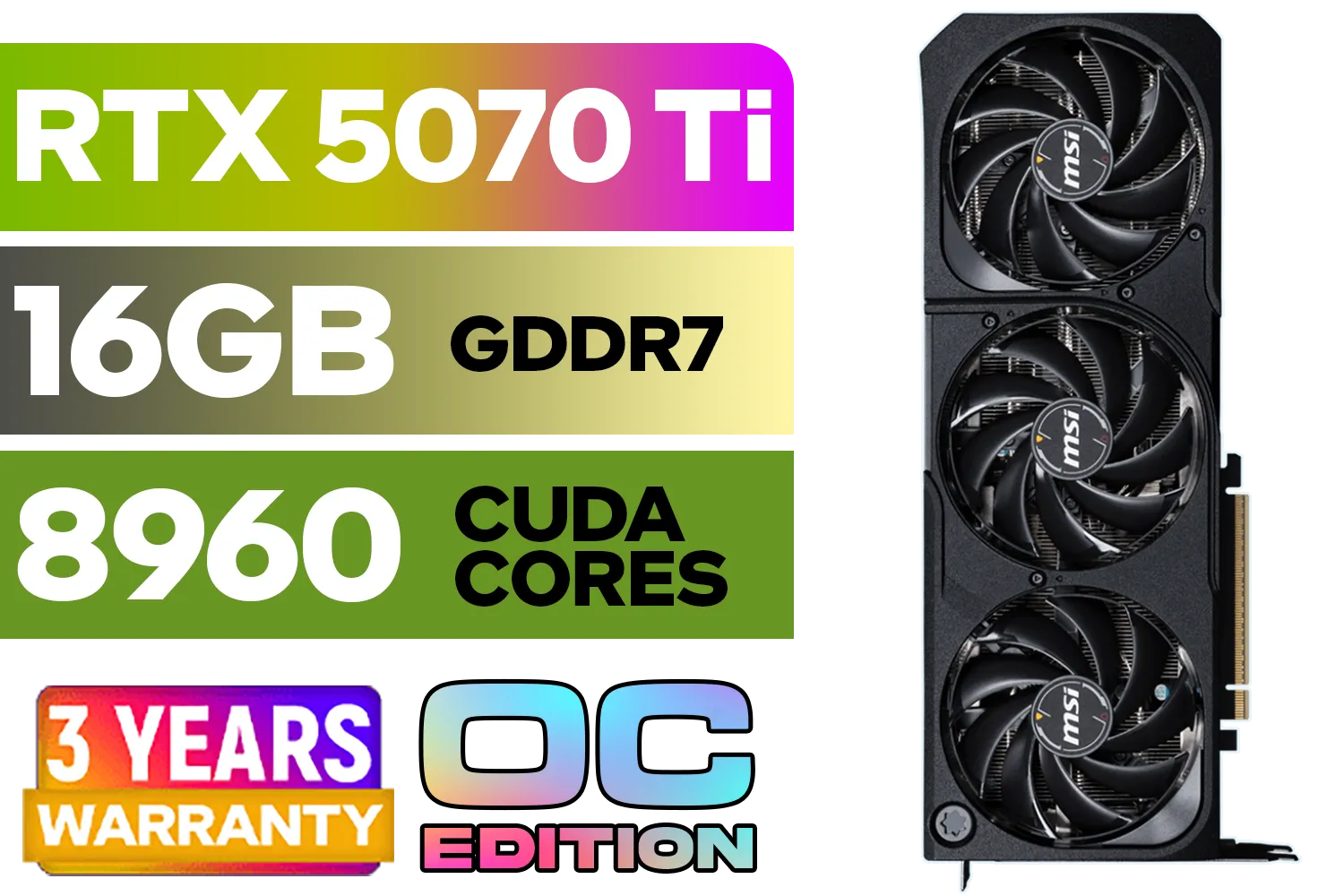
GeForce RTX™ 5070 Ti 16G SHADOW 3X OC Graphics Card / 8960 Cuda Cores / 256-bit Memory Interface / Boost Clock : 2482 MHz / NVIDIA Blackwell & DLSS 4 / TORX Fan 5.0 / Nickel-Plated Copper Baseplate / 912-V531-465
R19499.00In Stock

Palit GeForce RTX 5070 Infinity 3 12GB Graphics Card / 12GB GDDR7 / 6144 Cuda Cores / 192-bit Memory Interface / Boost Clock : 2512 MHz / NVIDIA Blackwell & DLSS 4 / NE75070019K9-GB2050S
R10799.00In Stock
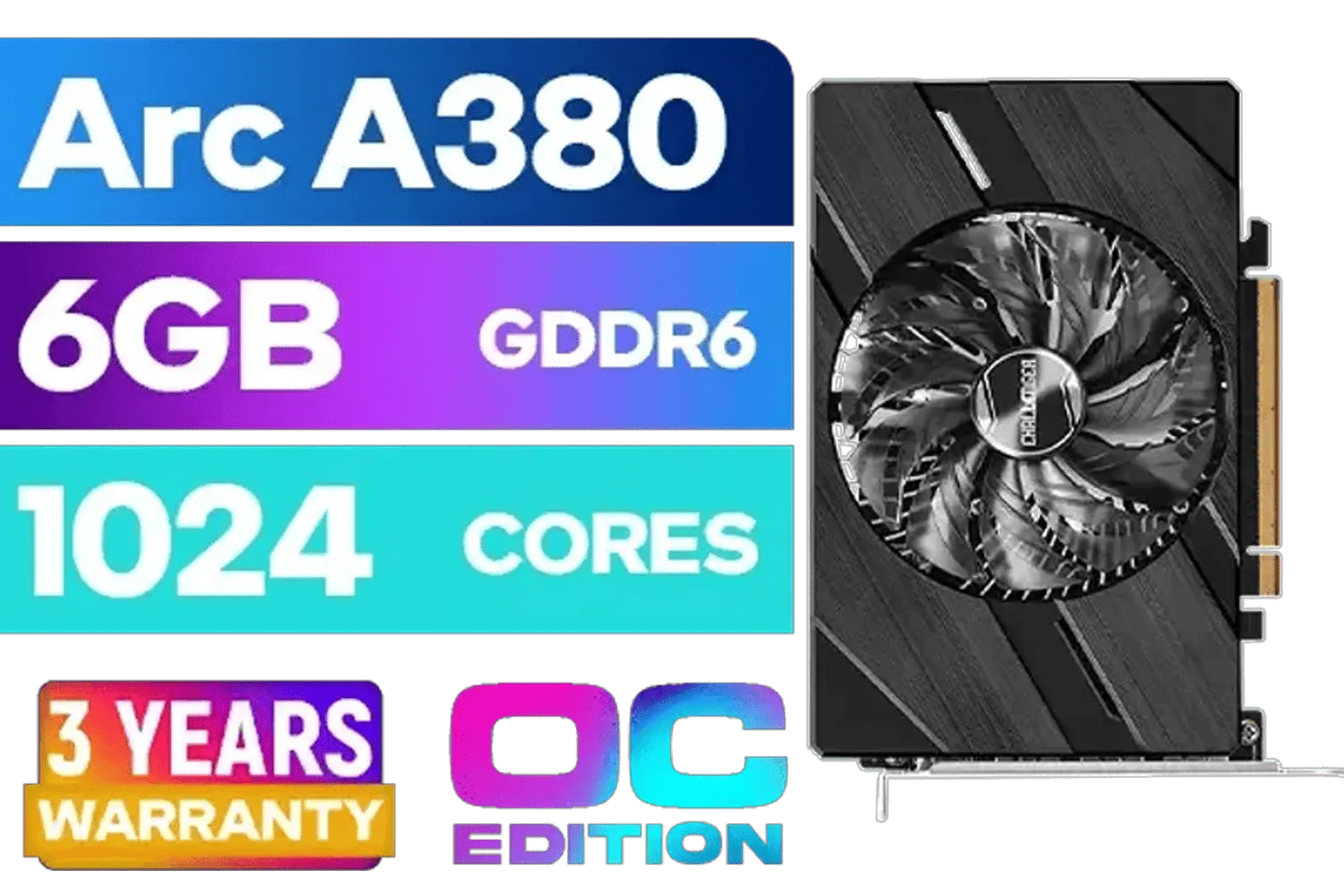
ASRock Intel Arc A380 Challenger ITX 6GB OC GDDR6 Graphics Card / 90-GA3KZZ-00UANF
R3199.00In Stock

MSI GeForce RTX 5070 12G VENTUS 3X OC Graphics Card / 12GB GDDR7 / 6144 Cuda Cores / 192-bit Memory Bus / Boost Clock : 2542 MHz / PCI Express® Gen 5 / 912-V532-007
R14999.00In Stock

MSI GeForce RTX 5080 16G VENTUS 3X OC Plus Graphics Card / PCI Express Gen 5 / 10752 Cuda Cores / 16GB GDDR7 / Nickel-plated Copper Baseplate / 912-V531-293
R27999.00In Stock

XFX SWIFT AMD Radeon RX 9070 XT Triple Fan 16GB GDDR6 GPU - White / AMD RDNA 4 Architecture / 3rd Gen Radeon Raytracing Accelerators/ AMD Fidelity FX Super Resolution 4.0 Upscaling Technology / RX-97TSWF3W9
R14799.00In Stock
More Than VRAM: The Core Spec Differences
When comparing the RTX 3050 6GB vs 8GB, many gamers stop at the video memory. That’s a mistake. The 6GB model isn't just the original card with less VRAM; it's a different GPU under the hood. The changes are significant and directly impact performance.
Here’s a quick breakdown of what’s different:
| Specification | RTX 3050 8GB (Original) | RTX 3050 6GB (New) | Key Impact |
|---|---|---|---|
| CUDA Cores | 2560 | 2304 | Fewer cores mean less raw processing power. |
| Memory Bus | 128-bit | 96-bit | A narrower bus creates a bottleneck, slowing data transfer. |
| Power (TDP) | 130W | 70W | Much lower power draw, ideal for smaller builds. |
| Display Outputs | Typically 3-4 | Often 2-3 | Fewer ports on some budget 6GB models. |
The reduction in CUDA cores and, crucially, the narrower memory bus on the 6GB version means it processes game data slower than its 8GB sibling. While lower power consumption is a plus, it comes at a significant performance cost. This is a key factor when browsing NVIDIA's graphics card lineup.
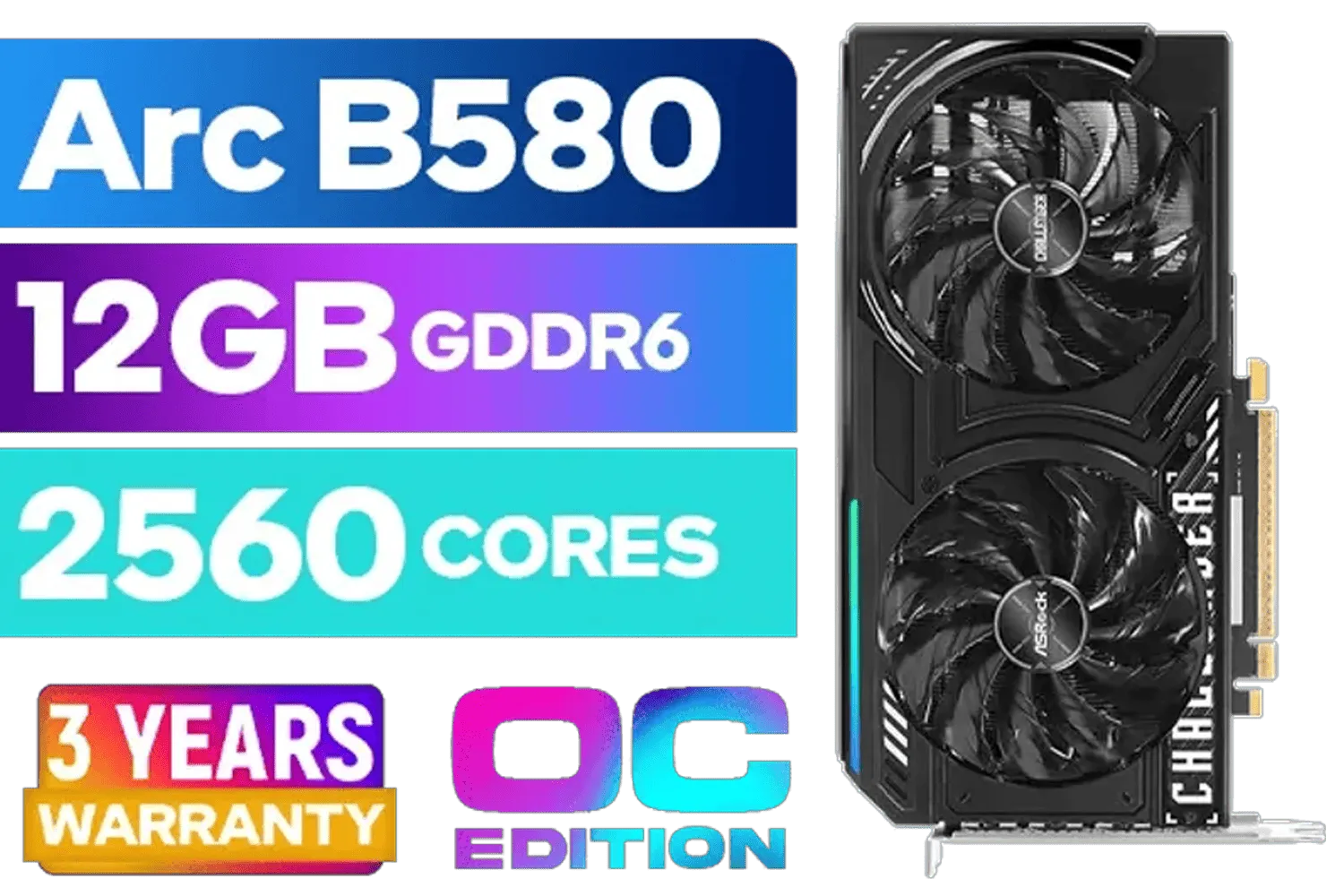
ASRock Intel ARC B580 Challenger OC Graphics Card / 12Gb 192-bit GDDR6 / DirectX 12 Ultimate / 2560 Cores / 2740MHz Engine Clock / 90-GA5LZZ-00UANF
R6499.00In Stock
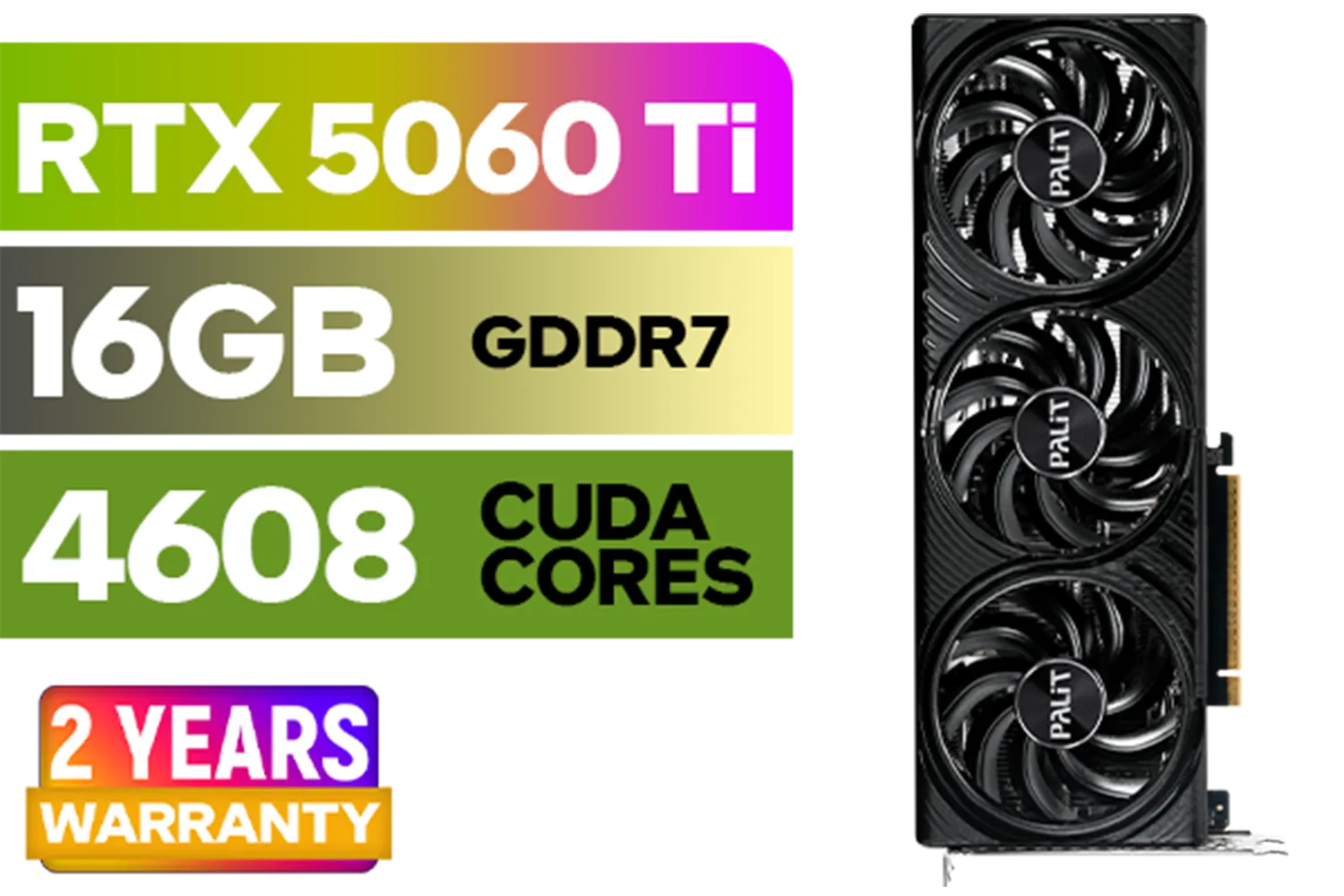
Palit GeForce RTX 5060 Ti Infinity 16GB Graphics Card / 16GB GDDR7 / 4608 Cuda Cores / 128-bit Memory Interface / Boost Clock : 2572 MHz / 28Gbps Memory Speed / PCI Express® Gen 5 / NE7506T019T1-GB2061S
R9799.00In Stock
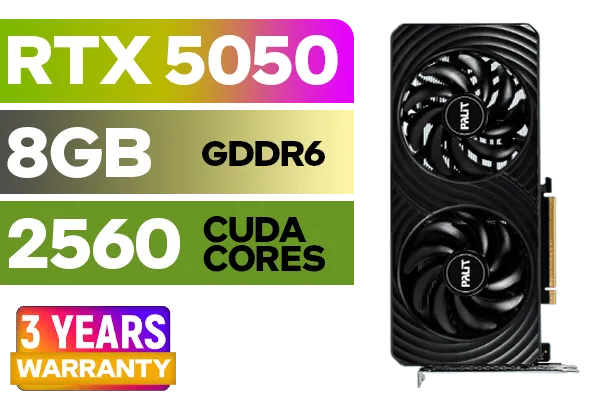
Palit GeForce RTX™ 5050 DUAL Graphics Card / 8GB GDDR6 / 2560 Cuda Cores / 128-bit Memory Interface / Boost Clock : 2572 MHz / PCI Express® Gen 5 / NE65050019P1-GB2070D
R5699.00In Stock
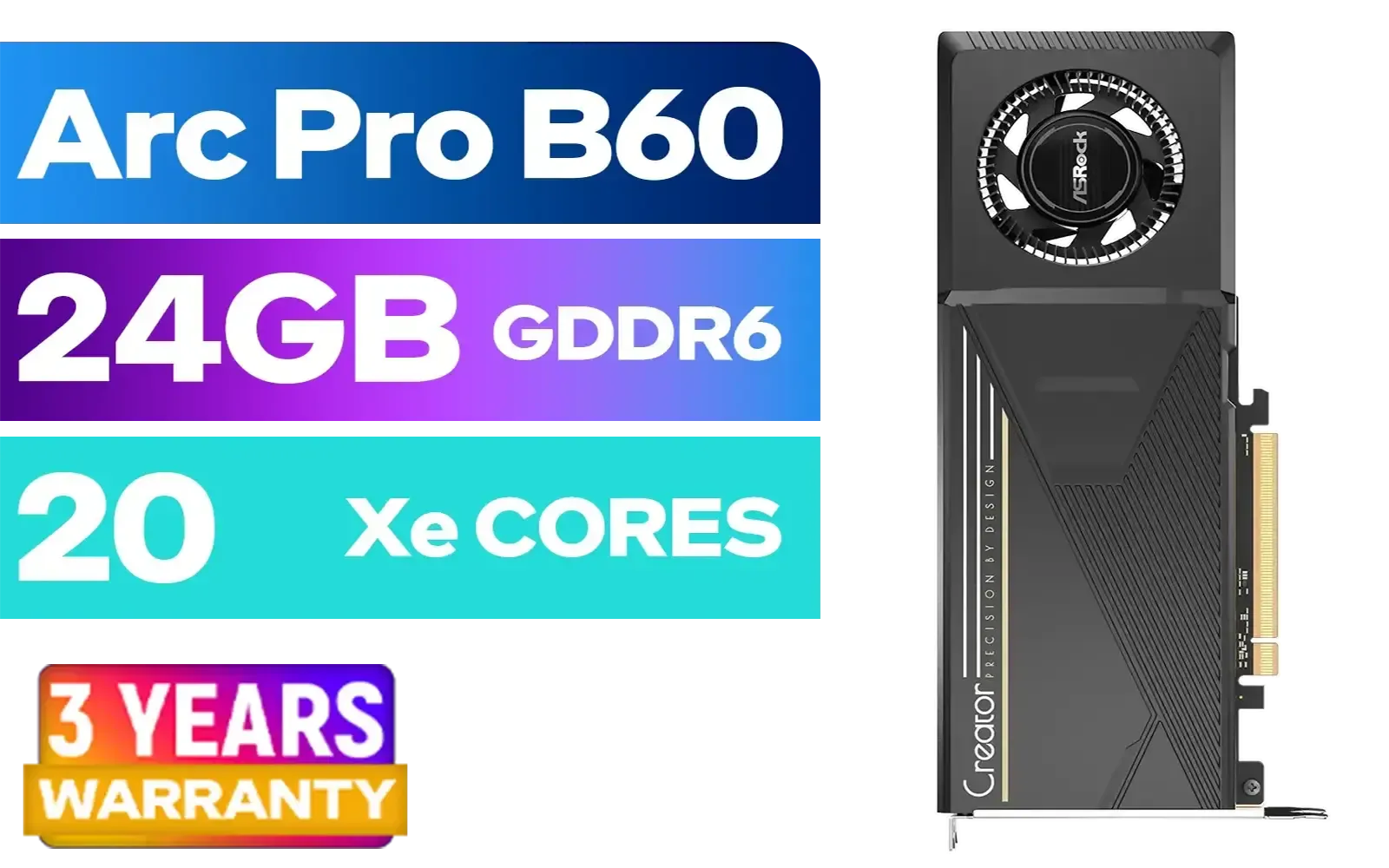
ASRock Intel Pro B60 Creator 24GB Graphics Card / 24GB 192-bit GDDR6 / GPU Clock: 2400 MHz / Microsoft® DirectX® 12 Ultimate / 160 Intel® XMX Engines / Intel® Xe2-HPG Architecture / 90-GA60ZZ-00UBNF
R12499.00In Stock
Palit GeForce RTX 5070 Infinity 3 12GB Graphics Card / 12GB GDDR7 / 6144 Cuda Cores / 192-bit Memory Interface / Boost Clock : 2512 MHz / NVIDIA Blackwell & DLSS 4 / NE75070019K9-GB2050S
R10799.00In Stock

Palit GeForce RTX 5080 GamingPro 16GB GDDR7 / 30Gbps Memory Speed / PCI Express® Gen 5 / NE75080019T2-GB2031A
R24199.00In Stock
Real-World Gaming: What to Expect 🚀
So, how do these spec differences translate to your favourite games?
For 1080p gaming, the original RTX 3050 8GB is a solid entry-level card. It handles e-sports titles like CS2, Valorant, and Fortnite with ease at high frame rates. It can also tackle more demanding AAA games like Cyberpunk 2077 or Baldur's Gate 3 at medium settings, especially when using NVIDIA's DLSS technology.
The RTX 3050 6GB, however, will struggle more. The combination of less VRAM and a slower memory bus means you'll need to lower texture quality and other settings in modern games to maintain smooth gameplay. For older titles or pure e-sports, it's adequate. But for newer, graphically intense games, the performance gap can be as much as 20-30%, which is a noticeable difference. If you're looking at specific partner cards, you can find many popular MSI models for both versions.
TIP FOR YOU
Check Your Power Supply! 🔧
RTX 3050 6GB's low 70W TDP is a huge advantage. It doesn't require any external PCIe power connectors, meaning it can be a drop-in upgrade for many pre-built office PCs with basic power supplies. The 8GB version needs a 130W TDP and an 8-pin power connector, so always check your PSU has the required juice and cables before buying! This is a key difference from more power-hungry gaming cards and even [specialised workstation graphics cards](https: www.evetech.co.za PC-Components workstation-graphics-cards-307).
Value Proposition: Which RTX 3050 to Buy in South Africa?
This is where it gets tricky and depends entirely on your budget and needs.
You should buy the RTX 3050 6GB if...
You're on an extremely tight budget. Your main goal is playing e-sports titles or older games at 1080p. You're upgrading a basic desktop PC with a limited power supply and want a simple, plug-and-play solution. For this price, it's also worth seeing what AMD Radeon graphics cards are available, as they often compete aggressively on price.
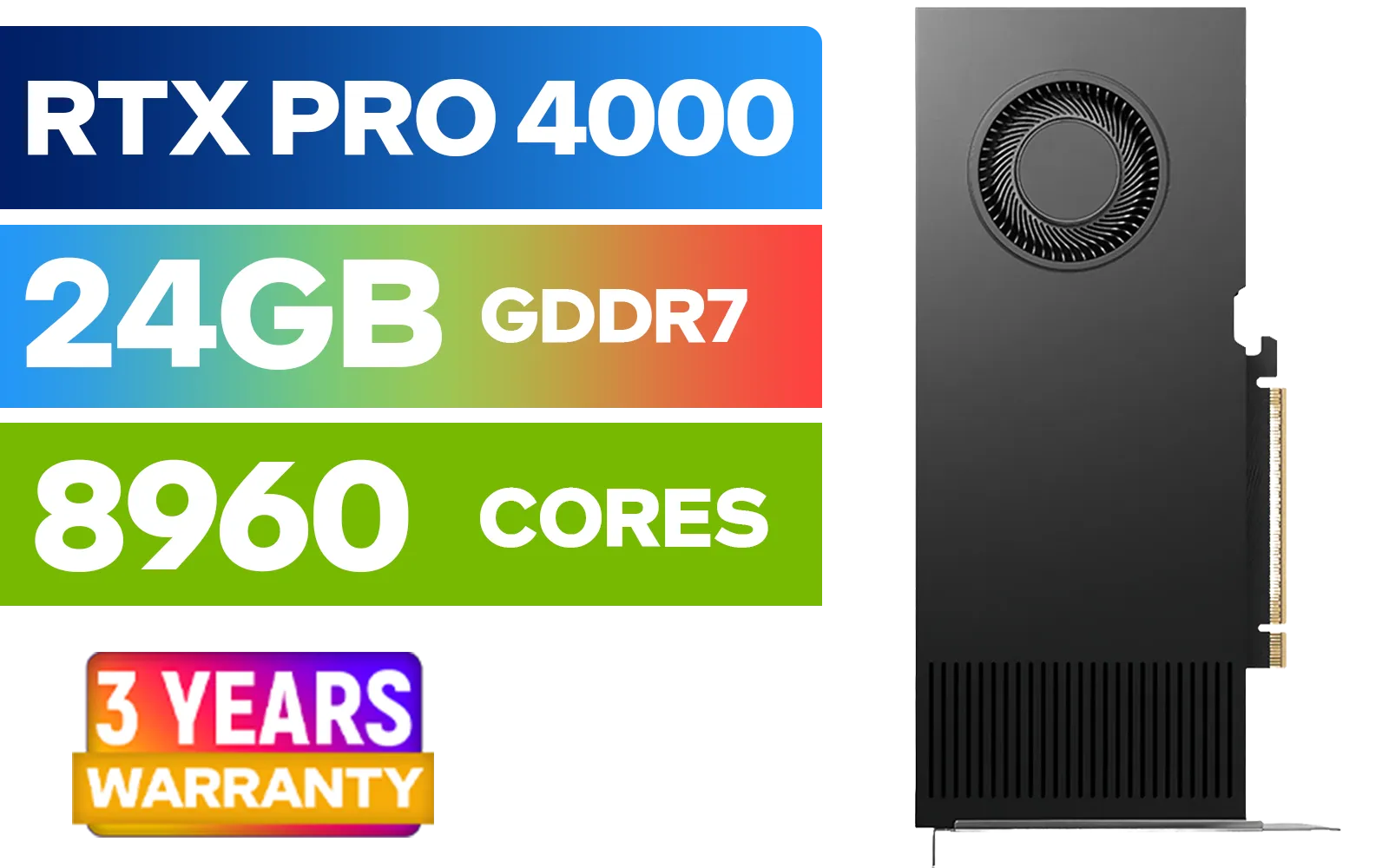
LEADTEK NVIDIA RTX PRO 4000 Blackwell 24GB GDDR7 Workstation Graphics Card / 8,960 Nvidia CUDA Cores / 672GB/s Memory Bandwidth / NVIDIA Blackwell Architecture / 126X4000100
R32999.00In Stock

Leadtek NVIDIA RTX 5000 ADA 32GB GDDR6 Workstation Graphics Card / 12800 Nvidia CUDA Cores / 576GB/s Memory Bandwidth / Ada Lovelace GPU architecture / 126V5000100
R96999.00In Stock

Leadtek NVIDIA RTX A400 4GB GDDR6 Workstation Graphics Card / 768 Nvidia CUDA Cores / 96GB/s Memory Bandwidth / Nvidia Ampere Architecture / 126W7000100
R3699.00In Stock

MSI GeForce RTX 5070 12G Gaming Trio OC Graphics Card / 12GB GDDR7 / 6144 Cuda Cores / 192-bit Memory Interface / Boost Clock : 2610 MHz / NVIDIA Blackwell & DLSS 4 / TRI FROZR 4 Thermal Design / Metal with Airflow Vents / 912-V532-019
R15199.00In Stock

XFX Swift AMD Radeon RX 9070 OC Graphics Card - White / 3584 Stream Processors / 256-bit Memory Interface / Boost Clock :2700 MHz / AMD RDNA™ 4 Architecture / RX-97SWFB3W9
R13499.00In Stock

MSI GeForce RTX 5060 Ti 8G VENTUS 2X OC Plus Graphics Card / 4608 Cuda Cores / 8GB GDDR7 / 128-Bit Memory Bus / 2602MHz Boost Core Clocks / 912-V536-024
R8999.00In Stock
You should buy the RTX 3050 8GB if...
You want a more capable and slightly more future-proof 1080p gaming experience. The extra cost (often just a few hundred Rand) buys you significantly more performance, allowing you to enjoy modern AAA games with better settings. The wider memory bus and extra CUDA cores make it a much more balanced and capable GPU. In this budget tier, it's also wise to consider alternatives like the entry-level Intel Arc graphics cards, which offer compelling features for the price.
Ultimately, the RTX 3050 6GB vs 8GB decision comes down to value. While the 6GB is cheaper, the 8GB version almost always offers better performance for your Rand.
Ready to Find Your Perfect Match? The budget GPU market is competitive, but making an informed choice is key. For the best 1080p experience and value, the RTX 3050 8GB often wins out. Explore our massive range of NVIDIA graphics cards and find the perfect GPU to power up your rig.
Related Products

Palit GeForce RTX 5060 Dual 8GB Graphics Card / 8GB GDDR7 / 3840 Cuda Cores / 128-bit Memory Interface / Boost Clock : 2497 MHz / PCI Express® Gen 5 / NE75060019P1-GB2063D
R8299.00In Stock

Palit GeForce RTX 5070 Ti GameRock 16G / 16GB GDDR7 / 28Gbps Memory Speed / PCI Express® Gen 5 / NE7507T019T2-GB2030G
R17999.00In Stock
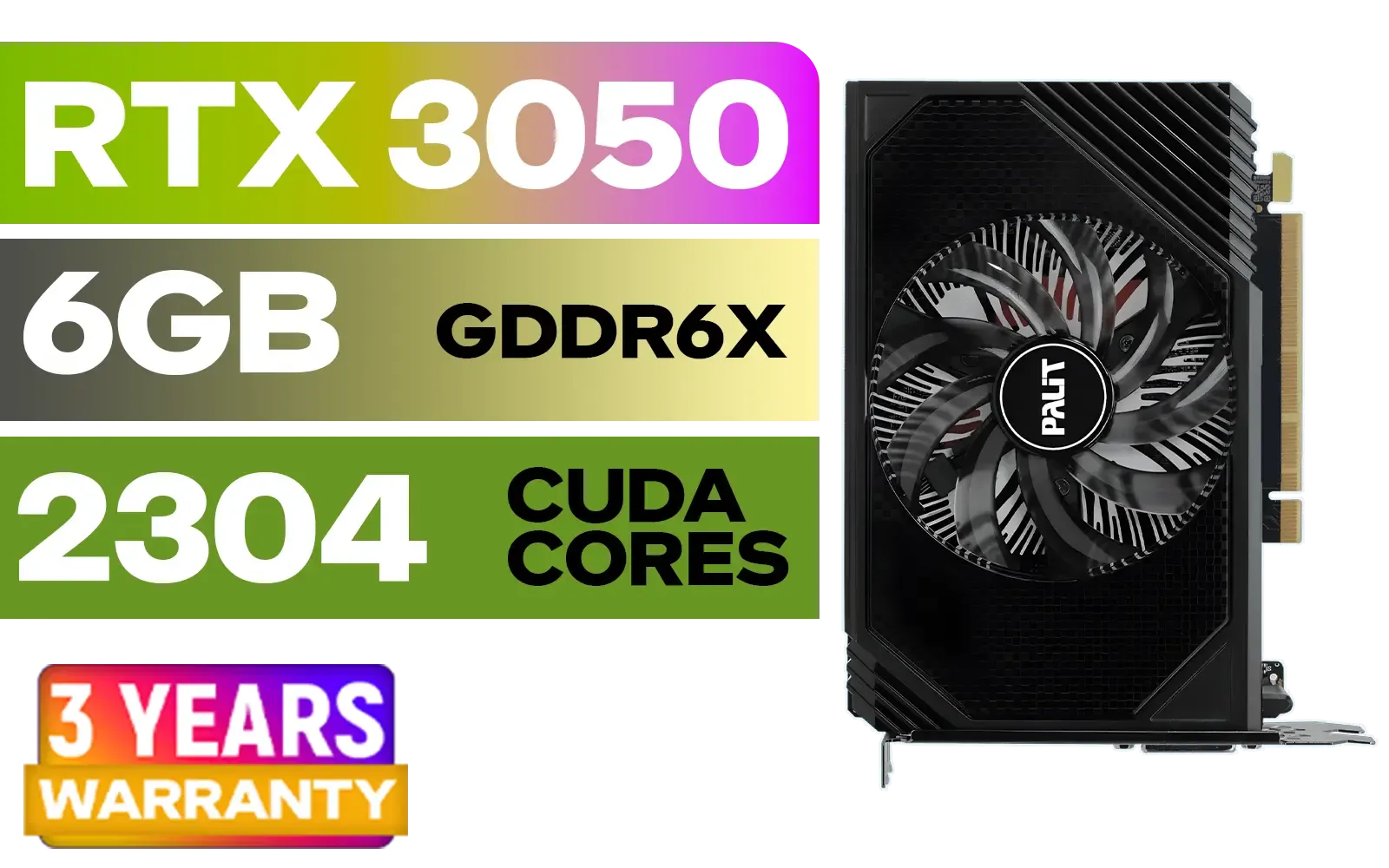
Palit GeForce RTX 3050 StormX 6GB GDDR6 Gaming Graphics Card / 2304 Cuda Core / 96-bit Memory Interface / Boost Clock : 1470MHz / Incredibly Fast Frame Rates / New Streaming Multiprocessors / NE63050018JE-1070F-SN
R3599.00In Stock
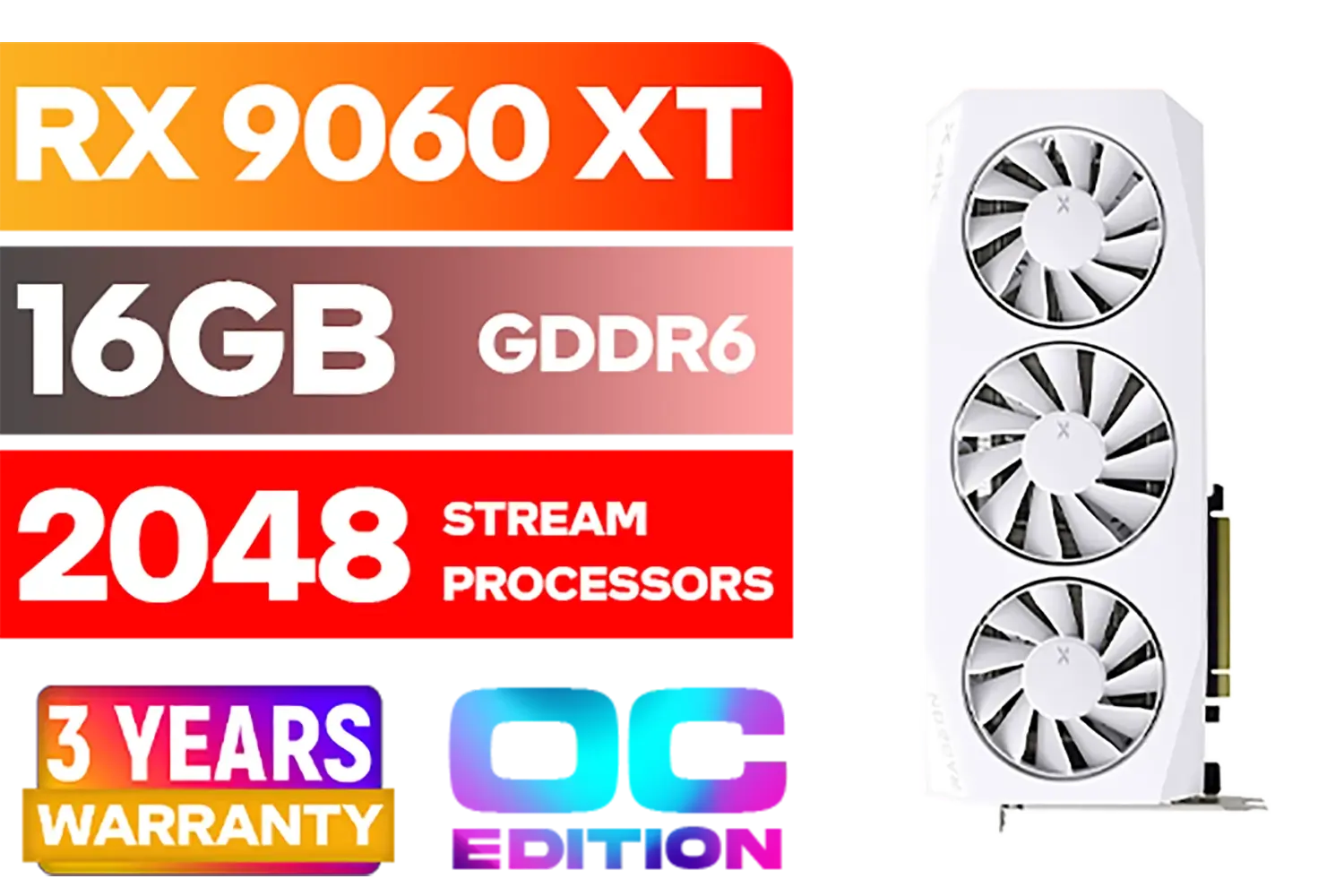
XFX Mercury AMD Radeon RX 9060XT OC White Gaming Edition with 16GB GDDR6 HDMI 2xDP, AMD RDNA 4 / RX-96TMERCW9
R9199.00In Stock
XFX SWIFT AMD Radeon RX 9070 XT Triple Fan 16GB GDDR6 GPU - White / AMD RDNA 4 Architecture / 3rd Gen Radeon Raytracing Accelerators/ AMD Fidelity FX Super Resolution 4.0 Upscaling Technology / RX-97TSWF3W9
R14799.00In Stock

MSI GeForce RTX 5060 8G Gaming Trio OC Graphics Card / 8GB GDDR7 / 3840 Cuda Cores / 128-bit Memory Interface / Boost Clock : 2625 MHz / PCI Express® Gen 5 / 912-V537-021
R8499.00In Stock
The main difference is VRAM: 8GB has more video memory for textures and heavy workloads, improving performance in high-res textures and some modern games.
8GB can improve FPS in VRAM-limited scenes and higher settings, but raw GPU compute is similar; check gaming benchmarks for specific titles.
If you play modern AAA games at high settings, stream, or edit video, the 8GB model is often worth it for future-proofing and smoother performance.
For 1080p gaming, both perform well, but the 8GB model holds up better with high textures, mods, and future titles in gaming benchmarks.
Yes, many modern games run smoothly on 6GB at medium to high settings, but you may need to lower texture quality in VRAM-heavy titles.
Power and thermals depend more on board design and OEM cooling than VRAM size; check specific model reviews for power draw comparisons.
Prioritize 8GB if you value longevity, high textures, or streaming; choose 6GB for tighter budgets and solid 1080p performance in many games.