Static Pressure vs Airflow Fans: Which is Best for Radiators?
Confused about static pressure vs airflow fans? 💨 We break down the key differences to help you choose the perfect cooling solution for your radiator or PC case. Maximize thermal performance and silence your build today! 🌡️
|
Loading tags...
So, you've just unboxed a beastly new AIO liquid cooler for your rig. The RGB is glowing, the pump is ready... but what about the fans? It's a classic PC builder's crossroads: do you need static pressure or airflow fans for that radiator? Choosing wrong can leave performance on the table, turning your high-end cooler into a noisy, inefficient paperweight. Let's settle the static pressure vs airflow fans debate for good. 🔧
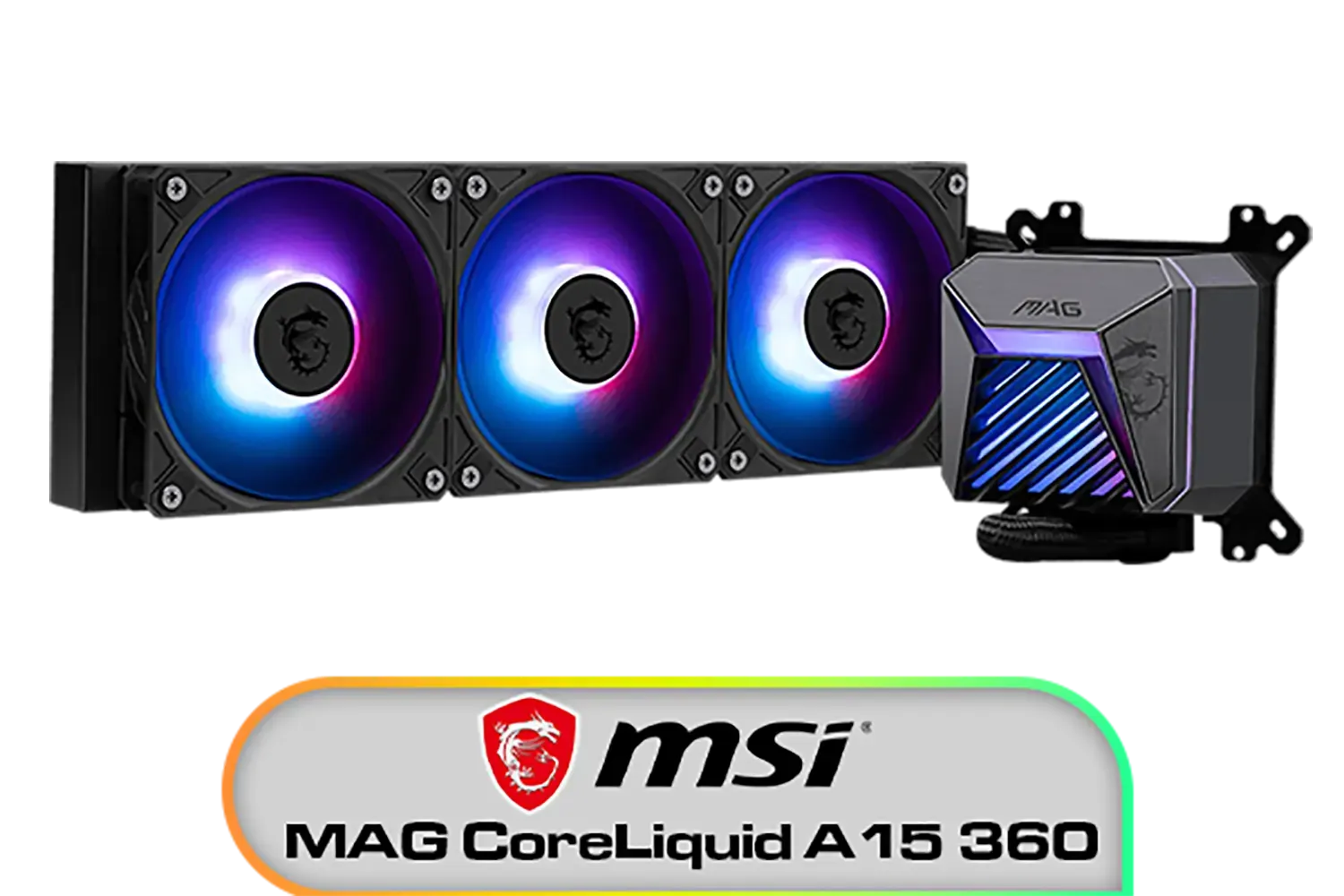
MSI MAG CoreLiquid A15 360 Liquid Cooler / CycloBlade Design / AI-Optimized Cooling / ARGB GEN2 Lighting / Easy UNI Bracket Installation / 306-7ZW9A11-L80
R1999.00In Stock

DeepCool LD360 Liquid Cooler - White / 360mm Radiator / LED Digital Display / 3x ARGB Fans Included / Compatible with AMD & Intel / LD360-WH
R2399.00In Stock

Corsair iCUE Link Titan 280 RX RGB All-In-One 280mm Liquid CPU Cooler / Three high-performance RX120 RGB fans / Extreme cooling performance / Three high-performance RX120 RGB fans / CW-9061017-WW
R3199.00In Stock

Fractal Design Lumen S36 RGB Aspect 12 RGB x3 AIO CPU Liquid/Water Cooler / FD-W-L1-S3612
R2499.00In Stock
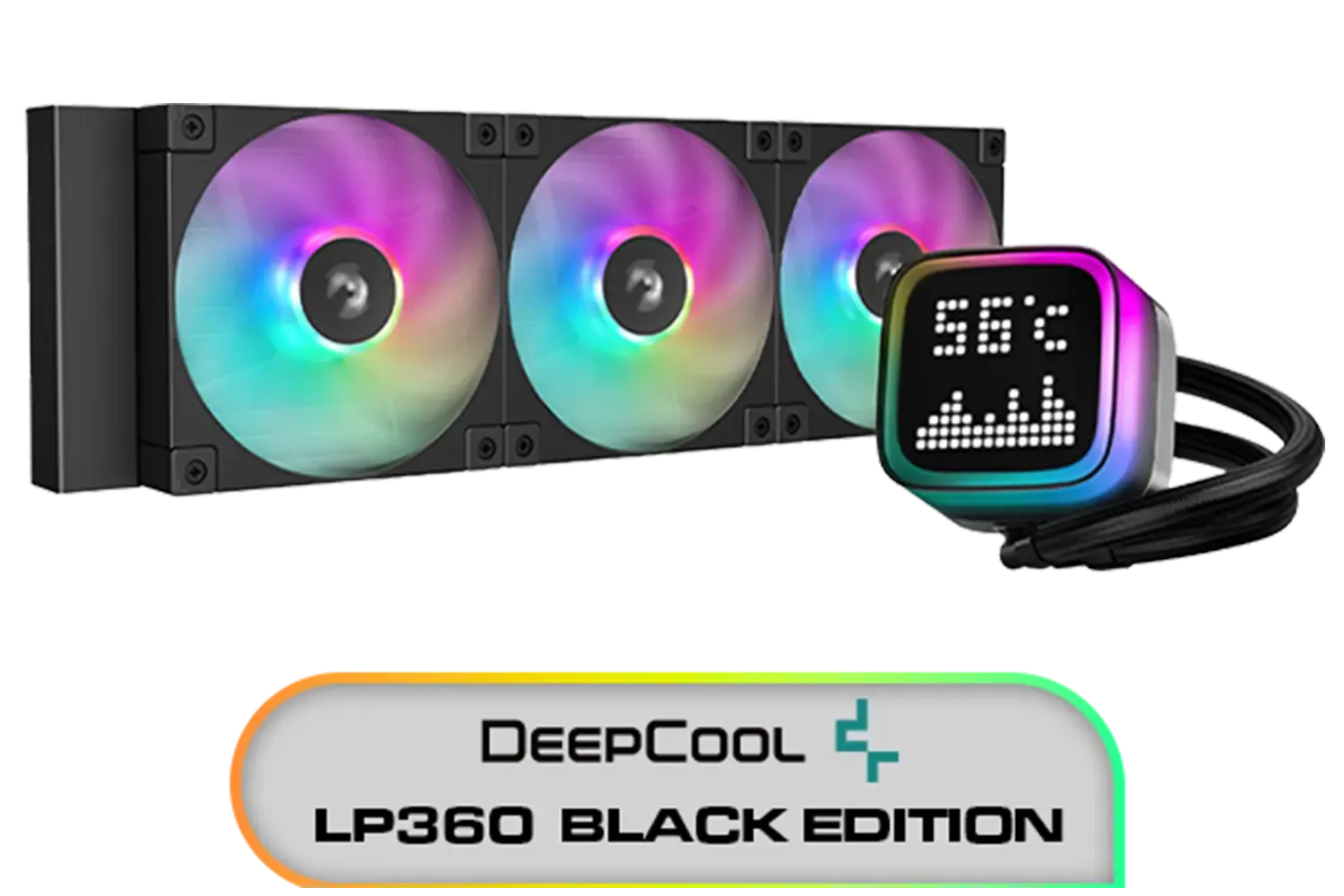
DeepCool LP360 Liquid Cooler - Black / 360mm Radiator / LED Digital Display / 3x ARGB Fans Included / Compatible with AMD & Intel / LP360
R2299.00In Stock
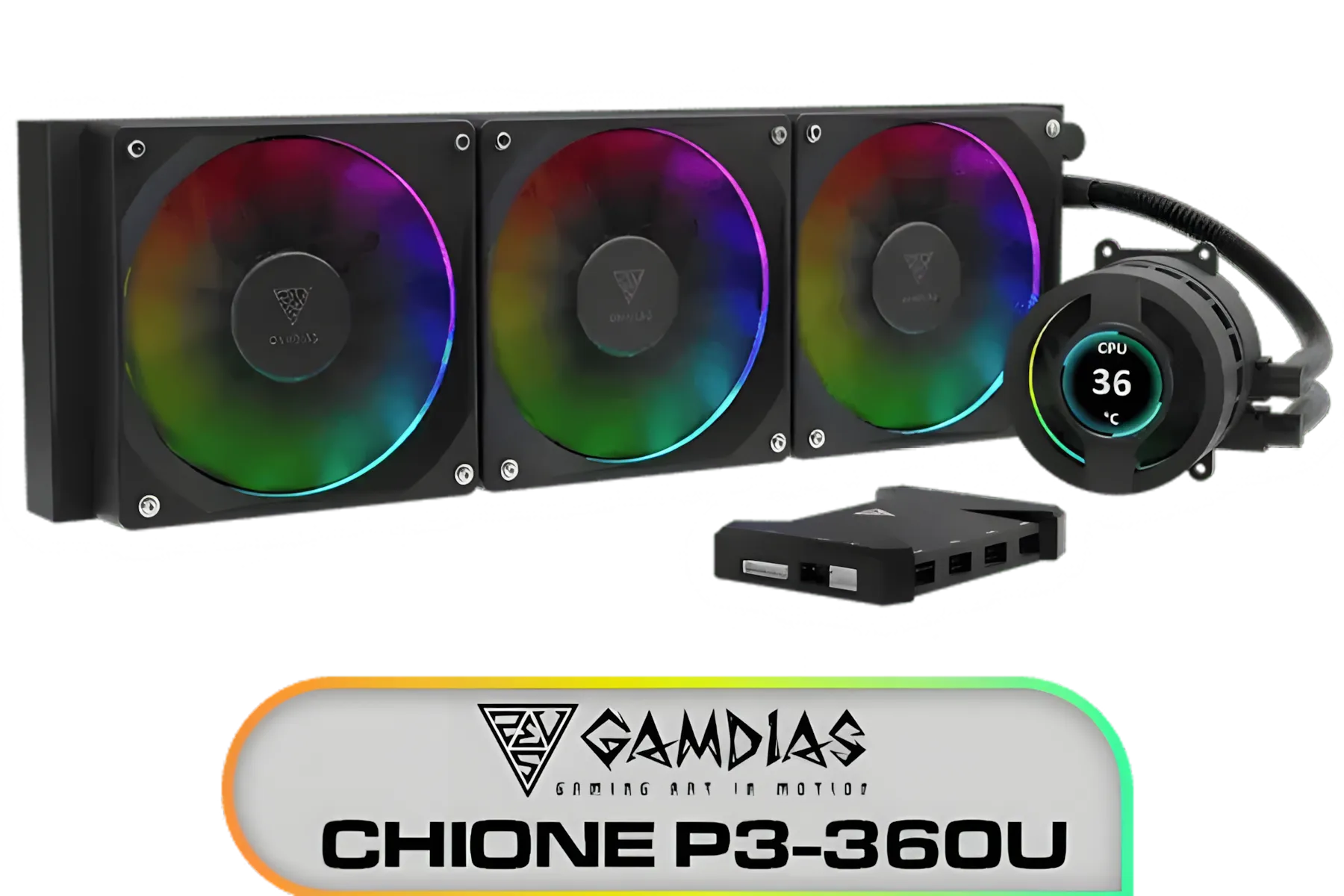
Gamdias CHIONE P3-360U All-in-One CPU Liquid Cooler / Personalized Lcd Display / Superior Radiator / Superior Airflow Performance / Premium Hydraulic Bearing / CHIONE-P3-360U
R999.00In Stock
What Are Airflow Fans, Really?
Think of airflow fans as the sprinters of the cooling world. Their main job is to move a massive volume of air from one place to another, as long as there's nothing in the way. They are designed with fewer, larger, and more aggressively curved blades to scoop up and shift as much air as possible.
They're perfect for use as case fans—pulling cool air in from the front or pushing hot air out from the back or top of your chassis. But what happens when you put an obstacle in their path, like a dense radiator? That's when they stumble. They simply don't have the focused power to push through the resistance, making them a poor choice for most overall CPU cooling solutions.
The Power of Static Pressure Fans
Now, meet the powerlifters: static pressure fans. 💪 These fans are engineered for one primary purpose: to force air through tight, restrictive spaces. Instead of wide, sweeping blades, they typically have more blades that are flatter and designed to build up pressure behind the fan hub.
This high pressure allows them to maintain airflow even when faced with significant resistance. Think about blowing through a straw versus blowing into an open room. The straw requires focused pressure, and that's exactly what these fans deliver. This makes them the undisputed champions for pushing air through heatsink fin stacks and, most importantly, the dense fins of All-In-One (AIO) liquid coolers.

Cooler Master MasterFan MF120 Halo White Edition PC Case Fan with RGB / MFL-B2DW-18NPA-R1
R349.00In Stock
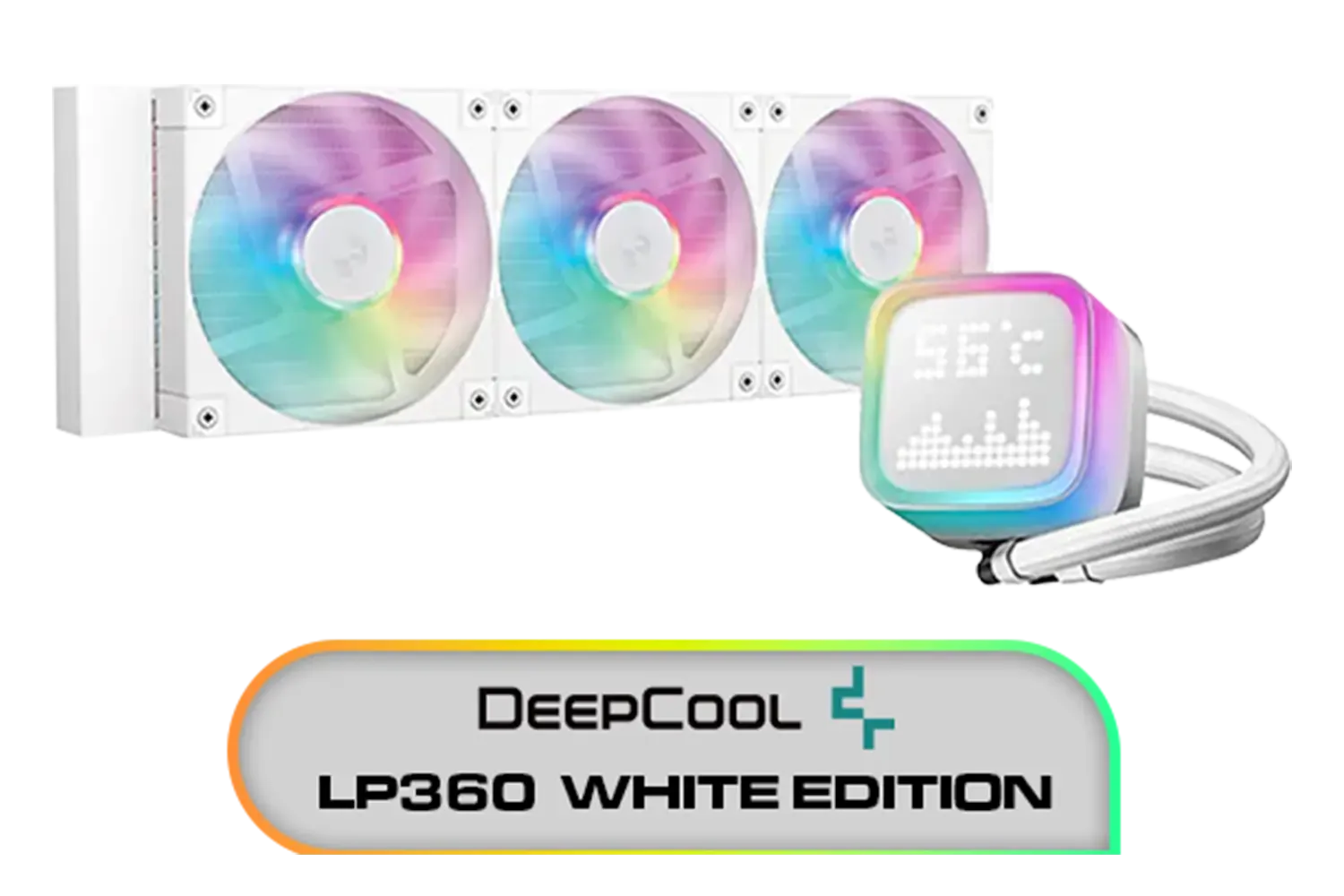
DeepCool LP360 Liquid Cooler - White / 360mm Radiator / LED Digital Display / 3x ARGB Fans Included / Compatible with AMD & Intel / LP360-WH
R2399.00In Stock

EK 280mm AIO D-RGB All-in-One CPU Liquid Cooler / Water Cooling Computer Parts / 140mm Fan / EK-Vardar High-Performance PMW Fans / Outstanding Thermal Conductivity / Support - Intel 115X/1200/2066, AMD AM4 / EK-AIO-280-D-RGB
R2699.00In Stock
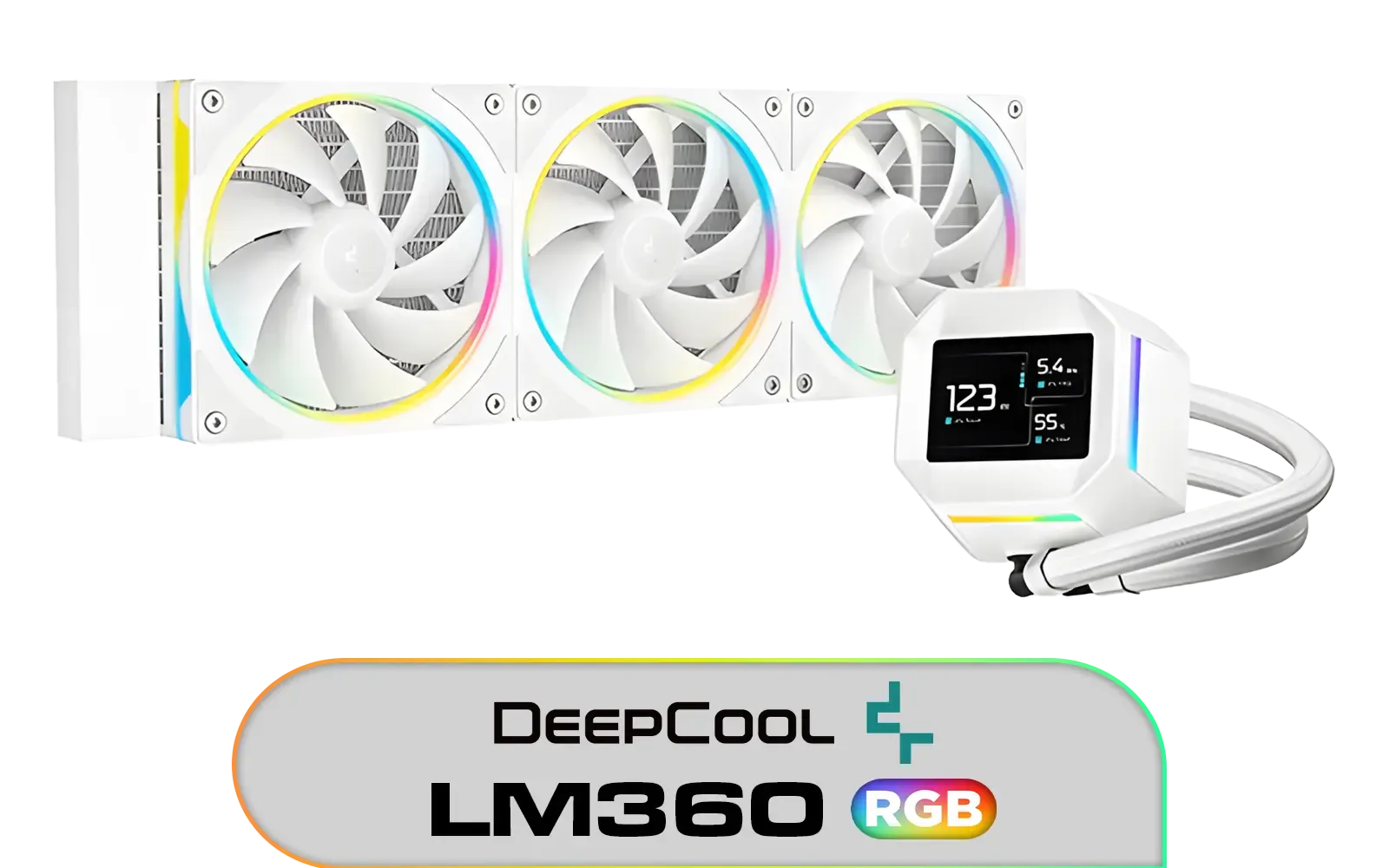
DeepCool LM360 CPU Liquid Cooler - White / Compact 2.4" IPS Display with MP4 Playback / Upgraded Pump for Improved Cooling & Quiet Operation / Supports LGA 1851, 1700, 1200, 1151, 1150, 1155 / Supports AM5, AM4 / Addressable RGB LED / Anti-Leak Technology / LM360-WH
R1699.00In Stock
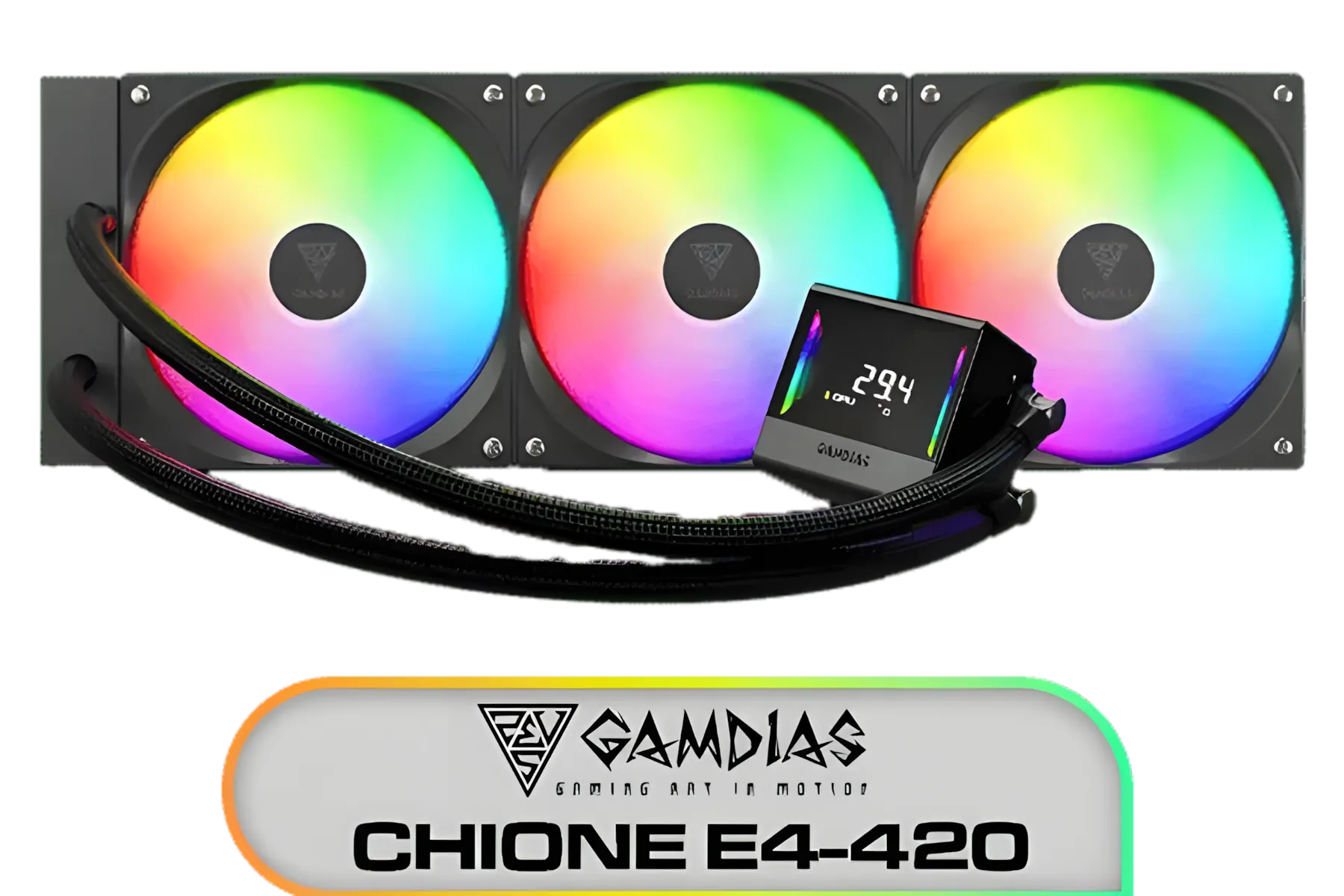
Gamdias Chione E4-420 Liquid Cooler - Black / Hydraulic PWM Fans / Dual Infinite Mirror / Real-time Digital Display / Patented PWM Pump / Motherboard Sync ARGB / CHIONE E4-420
R2599.00In Stock

Corsair iCUE Link Titan 240 RX RGB All-In-One 240mm Liquid CPU Cooler / Three high-performance RX120 RGB fans / Extreme cooling performance / Three high-performance RX120 RGB fans / CW-9061020-WW
R2999.00In Stock
The Verdict: Which Fan Wins for Your Radiator?
When it comes to the static pressure vs airflow fans showdown for radiators, there is a clear and simple winner: static pressure.
Your radiator is essentially a wall of resistance. Its job is to transfer heat from the liquid coolant to the hundreds of tiny metal fins. To cool it effectively, you need air forced through those fins, not just blown at them. An airflow fan will create a lot of turbulence in front of the radiator, but very little air will actually pass through to the other side.
A static pressure fan, however, builds up enough force to overcome that resistance, ensuring a steady stream of cool air flows directly over the fins, efficiently wicking heat away from your precious CPU. Many top-tier AIOs come with excellent static pressure fans right out of the box. You'll find excellent options from Corsair and in Deepcool's powerful AIOs that are already optimised for this exact task.
TIP FOR YOU
Cooling Pro Tip ❄️
For maximum performance on thicker radiators, consider a "push-pull" configuration. This involves mounting static pressure fans on both sides of the radiator—one set pushing air in, and the other pulling it out. This creates a powerful wind tunnel effect that can significantly lower your CPU temperatures, especially under heavy load.
Beyond the Specs: Choosing the Right AIO Size
The importance of using the right radiator fans becomes even more critical as you scale up your cooling. While a good set of fans will make a difference on the ever-popular 240mm radiators, their impact is magnified on larger 360mm radiator AIOs.

Gamdias Chione E4-240 Liquid Cooler / Hydraulic PWM Fans / Dual Infinite Mirror / Real-time Digital Display / Patented PWM Pump / Motherboard Sync ARGB / CHIONE-E4-240
R1599.00In Stock

DeepCool LT240 White Edition ARGB CPU Liquid Cooler, 280W TDP 5th Gen Dual-Chamber Pump Multidimensional Infinity Mirror ARGB Block AIO Cooler for LGA1700/1200/1151/1150/1155,AMD AM4/AM5 / LT240-WH-ARGB
R2299.00In Stock

Corsair iCUE H100i Elite CAPELLIX XT Liquid CPU Cooler - Two AF120 RGB Elite Fans - 240mm Radiator - Intel® LGA 1700, 1200, 115X, 2066, AMD® AM5, AM4 - Included iCUE Commander CORE - Black / CW-9060068-WW
R1399.00In Stock
EK 280mm AIO D-RGB All-in-One CPU Liquid Cooler / Water Cooling Computer Parts / 140mm Fan / EK-Vardar High-Performance PMW Fans / Outstanding Thermal Conductivity / Support - Intel 115X/1200/2066, AMD AM4 / EK-AIO-280-D-RGB
R2699.00In Stock
MSI MAG CoreLiquid A15 360 Liquid Cooler / CycloBlade Design / AI-Optimized Cooling / ARGB GEN2 Lighting / Easy UNI Bracket Installation / 306-7ZW9A11-L80
R1999.00In Stock

DeepCool LS520S Zero Dark All In One Liquid CPU Cooler, 240mm Radiator, 2 x 120mm Deepcool Fans, Intel/AMD / LS520S-Zero-Dark
R1599.00In Stock
A larger surface area means more potential for cooling, but only if you can supply enough focused airflow across the entire fin stack. Pairing a big radiator with weak airflow fans is like putting budget tyres on a supercar... you're just not getting the performance you paid for. Always prioritise high static pressure fans to get the most value and performance out of your AIO investment.
Ready to Master Your Temps? The static pressure vs airflow fan debate is settled for radiators, but finding the perfect cooler is the next step. For maximum cooling performance and choice in South Africa, a quality AIO is hard to beat. Explore our huge range of AIO liquid coolers and find the perfect match to keep your CPU frosty.
Related Products

Corsair NAUTILUS 240 RS ARGB Liquid CPU Cooler – 240mm AIO – Low-Noise – Direct Motherboard Connection – Daisy-Chain – Intel LGA 1851/1700, AMD AM5/AM4 – 2x RS120 ARGB Fans Included – White / CW-9060094-WW
R1999.00In Stock
Corsair iCUE Link Titan 240 RX RGB All-In-One 240mm Liquid CPU Cooler / Three high-performance RX120 RGB fans / Extreme cooling performance / Three high-performance RX120 RGB fans / CW-9061020-WW
R2999.00In Stock
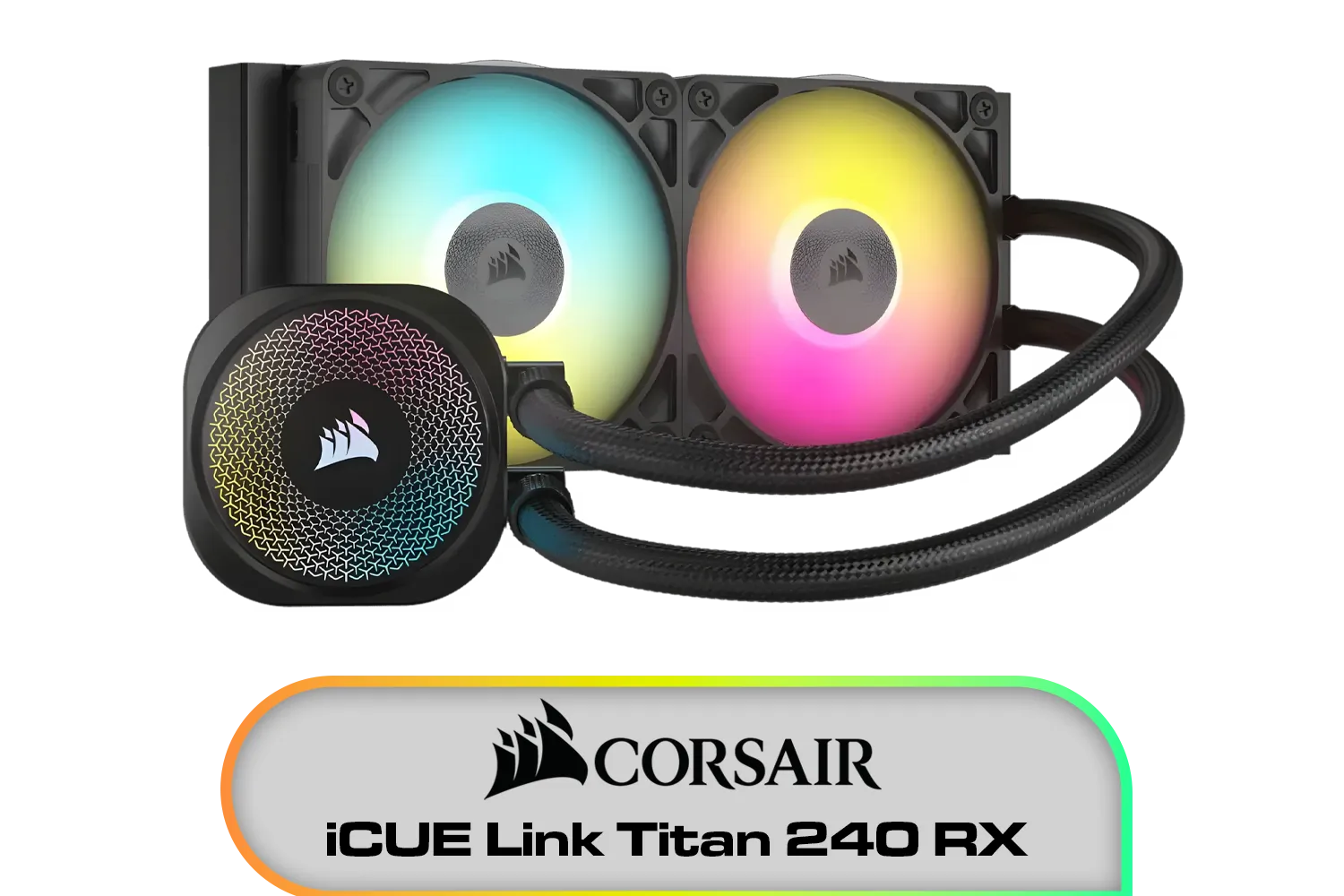
Corsair iCUE Link Titan 240 RX RGB AIO Liquid CPU Cooler / 2x High-Performance RX120 RGB fans / iCUE LINK connectivity / Intel® LGA 1851/1700 and AMD® AM5/AM4 / CW-9061016-WW
R3199.00In Stock
MSI MAG CoreLiquid A15 360 Liquid Cooler / CycloBlade Design / AI-Optimized Cooling / ARGB GEN2 Lighting / Easy UNI Bracket Installation / 306-7ZW9A11-L80
R1999.00In Stock
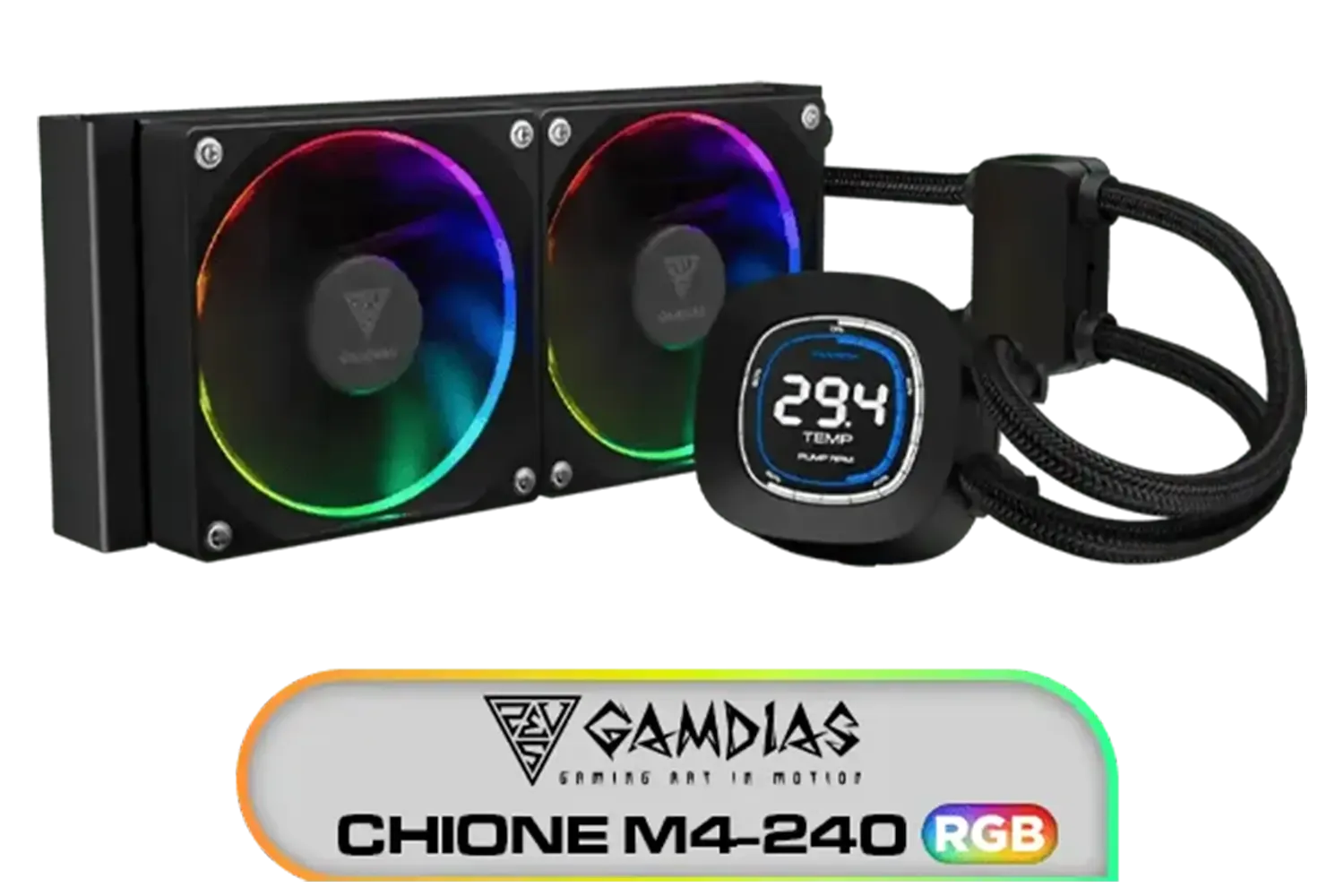
Gamdias CHIONE M4-240 CPU Liquid Cooler, 2X 120mm ARGB PWM Fans, RGB Sync with motherboards, Rotatable 2.1" LCD Displays / CHIONE-M4-240
R799.00In Stock

Gamdias Chione E4-360 Liquid Cooler - White / Hydraulic PWM Fans / Dual Infinite Mirror / Real-time Digital Display / Patented PWM Pump / Motherboard Sync ARGB / CHIONE-E4-360-WH
R1999.00In Stock
Airflow fans move large volumes of air into open spaces, while static pressure fans focus on pushing air through resistance like radiators or dense mesh.
Yes. Radiators have dense fins that restrict air. High static pressure fans are designed to force air through these fins effectively to dissipate heat.
You can, but thermal performance will suffer. Airflow fans struggle to push air through dense radiator fins, leading to higher CPU temperatures.
Often yes, as generating pressure requires different blade designs that can increase noise at high RPMs, though premium models are optimized for silence.
Look for wide, flat blades with very little gap between them. Airflow fans usually have thinner, scooped blades with larger gaps to scoop more air.
If your case has a solid front panel or fine dust filters, static pressure fans are better at pulling air through those restrictions than airflow fans.