

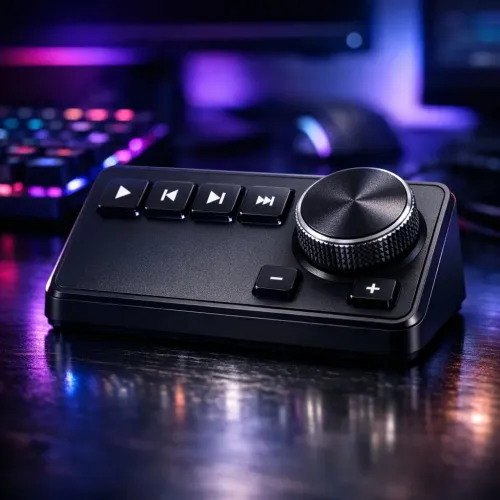
Dedicated Media Keys for Streamers: Improve Workflow Fast
Dedicated media keys give streamers one-touch control to mute, switch scenes, clip highlights, and adjust audio — cutting task time and boosting consistency 🎛️⚡
Read moreRunning out of space? Discover the best external storage for gaming to expand your library instantly. 🚀 From lightning-fast SSDs to high-capacity HDDs, we review the top picks for PC and consoles. 🎮
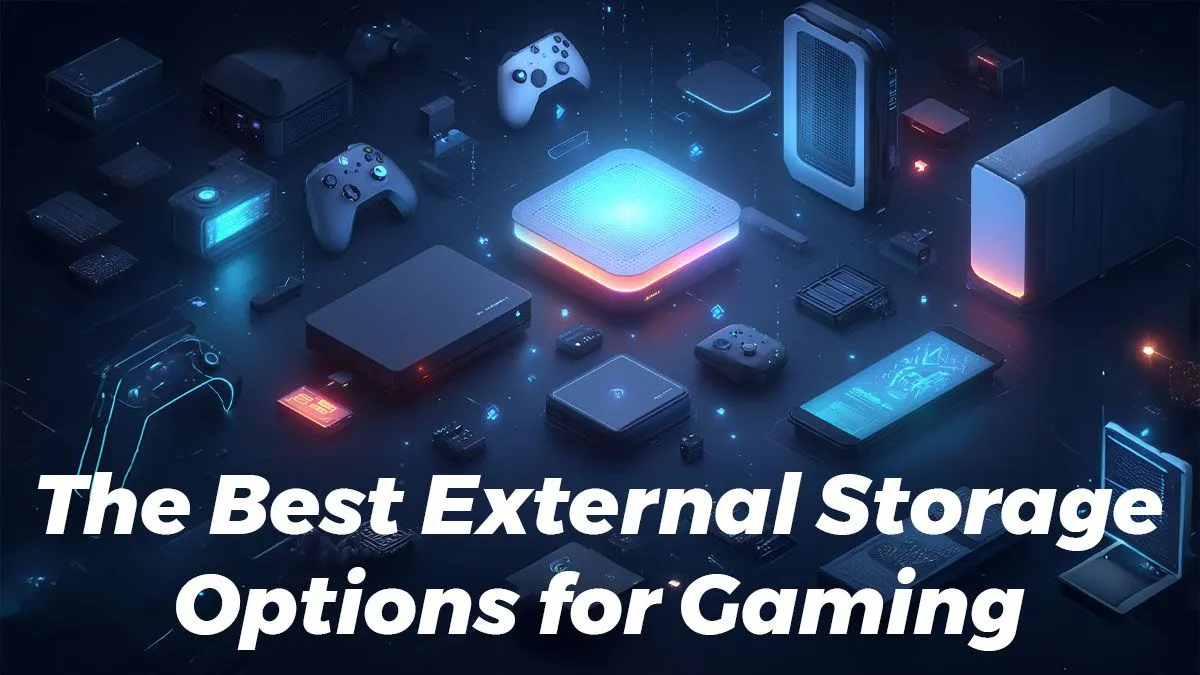
Is that dreaded "Disk Space Low" notification ruining your gaming vibe? With titles like Call of Duty and Baldur's Gate 3 demanding over 150GB each, your internal drive fills up fast. But don't stress, there’s an easy fix. The best external storage for gaming can instantly expand your library, letting you keep more games installed and ready to play. Let's dive into the top SSDs and HDDs to supercharge your setup. 🚀
Running out of space is the most obvious reason to get an external drive, but the benefits go much deeper. For gamers, a quality external storage solution offers three key advantages:
Even if you're starting with one of our excellent budget gaming PCs, adding external storage is one of the simplest and most effective upgrades you can make.
Choosing between a Solid-State Drive (SSD) and a Hard Disk Drive (HDD) is the most critical decision. The best external storage for your gaming needs depends entirely on how you balance speed, capacity, and price.
An external SSD is the top choice for performance. Because they have no moving parts, they read and write data at incredible speeds.
An external SSD is a fantastic investment, especially if you're building a balanced system. Many of the best PCs under R20k pair a smaller internal NVMe for the OS with a larger external SSD for games.
When it comes to pure value for money, nothing beats an external HDD. You get enormous amounts of storage for a fraction of the price of an SSD.
HDDs are a brilliant, cost-effective way to manage a huge collection of games, and they pair well with our wide range of pre-built PC deals that prioritise core performance.
To get the advertised speeds from a fast external SSD, you must plug it into a compatible high-speed USB port on your PC. Plugging a USB 3.2 Gen 2 drive into an old USB 2.0 port will create a massive bottleneck, and you won't see any of the speed benefits you paid for. Check your motherboard or laptop specs!
Beyond the SSD vs. HDD debate, a few other specs are crucial when picking the right drive.
For those running high-performance rigs like our gaming PCs above R20k, pairing it with a top-tier external NVMe SSD ensures no part of your setup is holding you back.
Ultimately, the best external storage for gaming is the one that fits your playstyle and budget.
For raw performance and playing games directly off the drive, an external SSD is the clear winner. For archiving a massive library on a budget, an external HDD offers unbeatable value. Many gamers even use both—a speedy SSD for current favourites and a huge HDD for the backlog. This hybrid approach gives you the best of both worlds, and it's a smart way to complement any of the best gaming PC deals available in South Africa. ✨
Ready to Expand Your Game Library? Stop deleting your favourite games. An external drive is the fastest, easiest way to get more space and slash loading times. Explore our huge range of external SSDs and HDDs and find the perfect storage solution for your gaming needs today.
Yes, an external SSD drastically reduces load times compared to HDDs and is perfect for storing and playing modern games on PC and consoles.
You can play older titles directly, but next-gen games on PS5 or Xbox Series X usually require internal NVMe storage or specific expansion cards to run.
While you need an internal M.2 for PS5 games, a high-speed external SSD is perfect for playing PS4 titles and cold-storing PS5 games to save space.
SSDs offer much faster speeds and durability, while HDDs provide cheaper, massive capacity for backing up large game libraries without breaking the bank.
Absolutely. USB 3.0, 3.1, or 3.2 interfaces ensure data transfer rates are fast enough to prevent lag and slow loading textures during gameplay.
For most gamers, 1TB is a sweet spot, but if you have a massive library of AAA titles, aim for 2TB or 4TB to avoid constantly redownloading games.
Dedicated media keys give streamers one-touch control to mute, switch scenes, clip highlights, and adjust audio — cutting task time and boosting consistency 🎛️⚡
Read more
PBT vs ABS keycaps: Clear, local guide for South African gamers—compare feel, sound, durability and where to buy. Find the best material for your budget and playstyle 🎮🇿🇦
Read more
- Multi-Function Digital Dial: define benefits - Show gamer setups and macros - Offer buying and setup tips Multi-Function Digital Dial puts programmable control at your fingertips for faster actions and smoother streaming. 🎮⚙️
Read more
- Explain benefits; - Show the science; - Compare options; - Recommend picks. Magnetic wrist rest for gaming cuts wrist strain and boosts comfort during long sessions 🕹️✨
Read more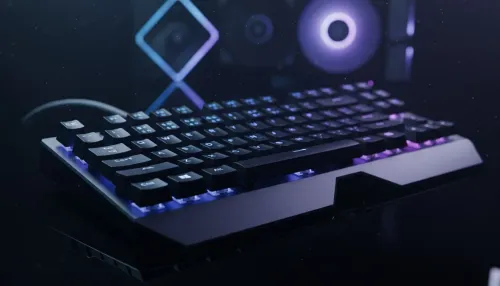
best gaming keyboard South Africa: Learn how to pick a low-latency mechanical keyboard, choose switches, layout and budget for competitive play 🎮⚡
Read more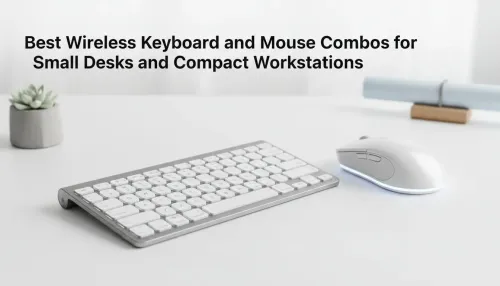
Best wireless keyboard and mouse combo for small desks — curated, space-saving picks that boost comfort and productivity in tight setups. Find low-profile layouts, compact mice, and reliable range to fit your compact workstation. 🖱️⌨️
Read more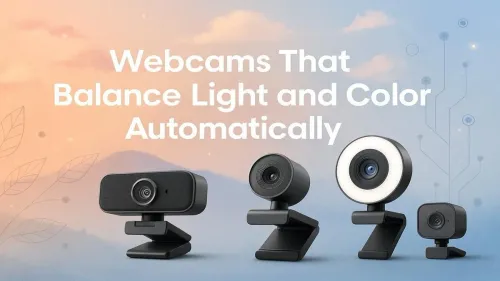
Discover webcams that automatically adjust light and color for crystal-clear video calls 🎥✨. Boost your streaming quality today!
Read more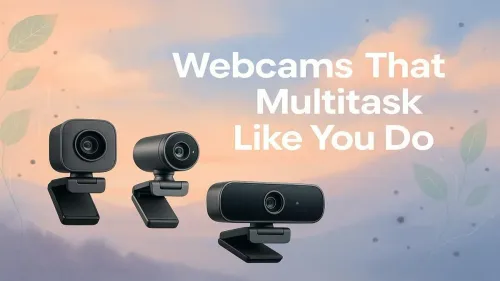
Discover webcams that blend into your workflow 🎯 Capture moments while you work, stream, or create. Upgrade your setup with smart, multitasking tech!
Read more Dedicated media keys give streamers one-touch control to mute, switch scenes, clip highlights, and adjust audio — cutting task time and boosting consistency 🎛️⚡
Read more PBT vs ABS keycaps: Clear, local guide for South African gamers—compare feel, sound, durability and where to buy. Find the best material for your budget and playstyle 🎮🇿🇦
Read more - Multi-Function Digital Dial: define benefits - Show gamer setups and macros - Offer buying and setup tips Multi-Function Digital Dial puts programmable control at your fingertips for faster actions and smoother streaming. 🎮⚙️
Read more - Explain benefits; - Show the science; - Compare options; - Recommend picks. Magnetic wrist rest for gaming cuts wrist strain and boosts comfort during long sessions 🕹️✨
Read more