

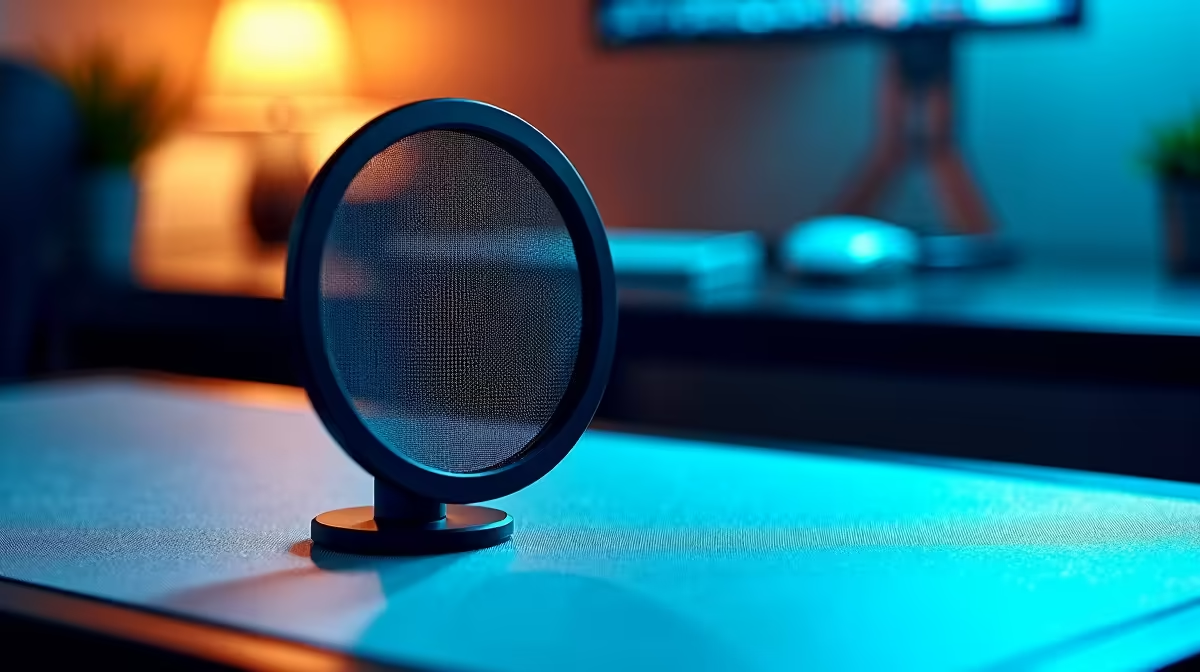
SA streamers putting serious hours into content creation on Twitch, YouTube, or podcast platforms know that audio quality separates hobbyist recordings from professional-sounding productions. A pop filter - the fabric or metal mesh screen that sits between your mouth and your microphone - eliminates the harsh plosive sounds on P, B, and T consonants that ruin otherwise clean audio. In 2026, the pop filter market has options across every price tier, and picking the right one for your setup and mic type matters more than most streamers realize.
Quick Answer
For most SA streamers, a dual-layer nylon pop filter in the R150–R350 range offers the best balance of plosive reduction, affordability, and compatibility across USB and XLR microphones. Metal mesh filters cost more but are easier to clean and more durable for daily use. For desktop boom arm setups, a gooseneck-mounted filter with a 360° clamp is the most practical configuration.
🎙️ Nylon vs Metal Mesh: Which Pop Filter Type Is Right for You?
The two dominant pop filter designs each have genuine advantages depending on your workflow. Nylon (fabric) pop filters are the classic option - they use a double-layer of fine mesh stretched over a circular frame and are highly effective at dispersing the air pressure from plosive consonants before it hits your capsule. They're affordable, widely available, and work with virtually any microphone. The downside: nylon collects moisture over time, can develop a slight odor with heavy daily use, and is harder to clean without damaging the mesh. Metal mesh pop filters (also called metallic or steel pop filters) solve the hygiene issue - they're wipe-clean, don't absorb moisture, and are essentially lifetime purchases with proper care. The trade-off is that some audio engineers claim metal mesh filters introduce a very slight high-frequency alteration to recordings, though this is practically imperceptible in streaming contexts. For most SA streamers recording in treated home setups, either type works excellently. If you stream daily for hours and sweat in a warm SA climate, metal mesh is worth the premium for hygiene alone.
📐 Mounting & Positioning: Getting the Setup Right
A pop filter mounted incorrectly provides minimal benefit regardless of quality. The standard rule is to position the filter 5–10cm from the microphone capsule, with your mouth a further 10–15cm from the filter - giving a total mic-to-mouth distance of roughly 15–25cm. This spacing allows the air blast from plosives to fully disperse before reaching the mic while keeping you close enough for a full, warm vocal tone. Most pop filters attach via a gooseneck arm with a clamp that grips boom arms between 15mm and 28mm in diameter - verify your boom arm's diameter before purchasing. Desktop stand-mounted pop filters typically clip directly to the microphone's own stand, which works adequately but limits positioning flexibility. For streamers running a dedicated desk arm like the Rode PSA1 or similar, a gooseneck filter with a universal clamp is far more adjustable and practical. Pair your pop filter investment with a quality gaming headset from Evetech for monitoring your recordings in real-time.
🎚️ Pop Filters vs Windscreens: Understanding the Difference
A common point of confusion for new streamers is the difference between a pop filter and a windscreen (foam cover). They solve overlapping but distinct problems. A pop filter (the mesh screen on a boom arm) primarily addresses proximity plosives - the physical burst of air from hard consonants. A windscreen (the foam ball that slides over the mic capsule) primarily reduces ambient wind noise and light breath sounds, but is less effective at eliminating hard plosive artifacts. For indoor streaming with controlled airflow, a proper pop filter outperforms a foam windscreen for plosive control. Some streamers use both in combination, particularly if they record near an air conditioner or fan. For a complete streaming setup, pair your audio chain with a quality gaming keyboard to minimize key-click bleed into your microphone, and consider the full gaming PC setup options at Evetech to ensure your streaming rig can handle simultaneous capture and output without dropped frames.
🛒 What to Look for When Buying in SA in 2026
South African availability of streaming audio accessories is narrower than international markets, so knowing what specs matter prevents you from overpaying for features you don't need. Key factors: clamp diameter range (15–28mm covers most boom arms), gooseneck length (at least 30cm for positioning flexibility), frame diameter (a 6-inch/15cm filter suits most vocal recording distances), and build material. Avoid ultra-cheap single-layer nylon filters under R80 - the mesh is typically too coarse to catch fast plosive transients effectively. In the R150–R400 range, you're accessing filters with appropriate mesh density and sturdy gooseneck arms that won't droop during sessions.
❓ Frequently Asked Questions
Do I need a pop filter if my microphone has a built-in capsule shield? Many condenser microphones include an internal capsule shield, but these are designed primarily to protect the capsule from moisture and physical shock - not to eliminate plosives. An external pop filter adds a meaningful additional layer of plosive rejection that internal shields rarely replicate fully. For professional-quality streaming audio, an external pop filter remains worthwhile even with a shielded microphone.
Can I use a pop filter with a USB microphone? Yes. Pop filters are microphone-agnostic - they work with USB, XLR, and 3.5mm microphones equally. The only consideration is the mounting method: ensure the clamp fits your microphone's existing stand or boom arm. Universal gooseneck clamps with adjustable jaw width accommodate the widest range of setups.
How often should I replace a nylon pop filter? With daily streaming use, a nylon pop filter's mesh begins to degrade in 12–18 months - the fibers stretch and the filter becomes less effective. Metal mesh filters don't have this limitation and should last indefinitely with basic cleaning. If you're a full-time streamer, budget for a metal mesh filter to avoid recurring replacement costs.
Does a pop filter affect microphone frequency response? A quality nylon or metal mesh pop filter has negligible impact on recorded frequency response in practice. The filter's mesh is designed to disrupt air pressure - not sound waves - so high-frequency detail and low-frequency warmth are unaffected. Some audio engineers note a minor high-frequency softening with nylon, which most streamers find imperceptible and some actually prefer for a warmer vocal tone.
Evetech stocks Streaming Gear and Graphics Card Deals — shop online with fast delivery across South Africa.
Ready to Find Your Perfect Match? Build your complete SA streaming setup with Evetech











