

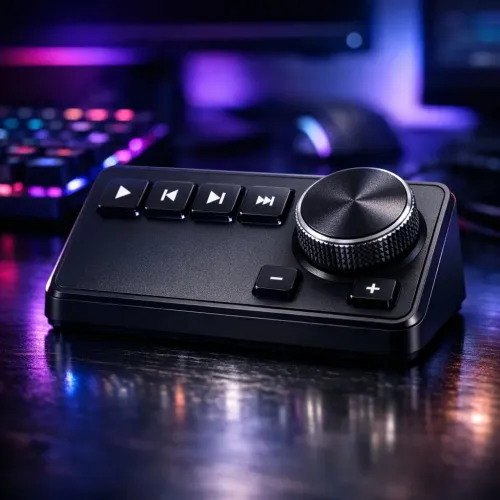
Dedicated Media Keys for Streamers: Improve Workflow Fast
Dedicated media keys give streamers one-touch control to mute, switch scenes, clip highlights, and adjust audio — cutting task time and boosting consistency 🎛️⚡
Read more• Best SSDs for Battle Royales: find top NVMe and SATA picks; • Compare load times, price & endurance; • Buy-ready recommendations and upgrade tips; • Quick setup tips 🚀🎮
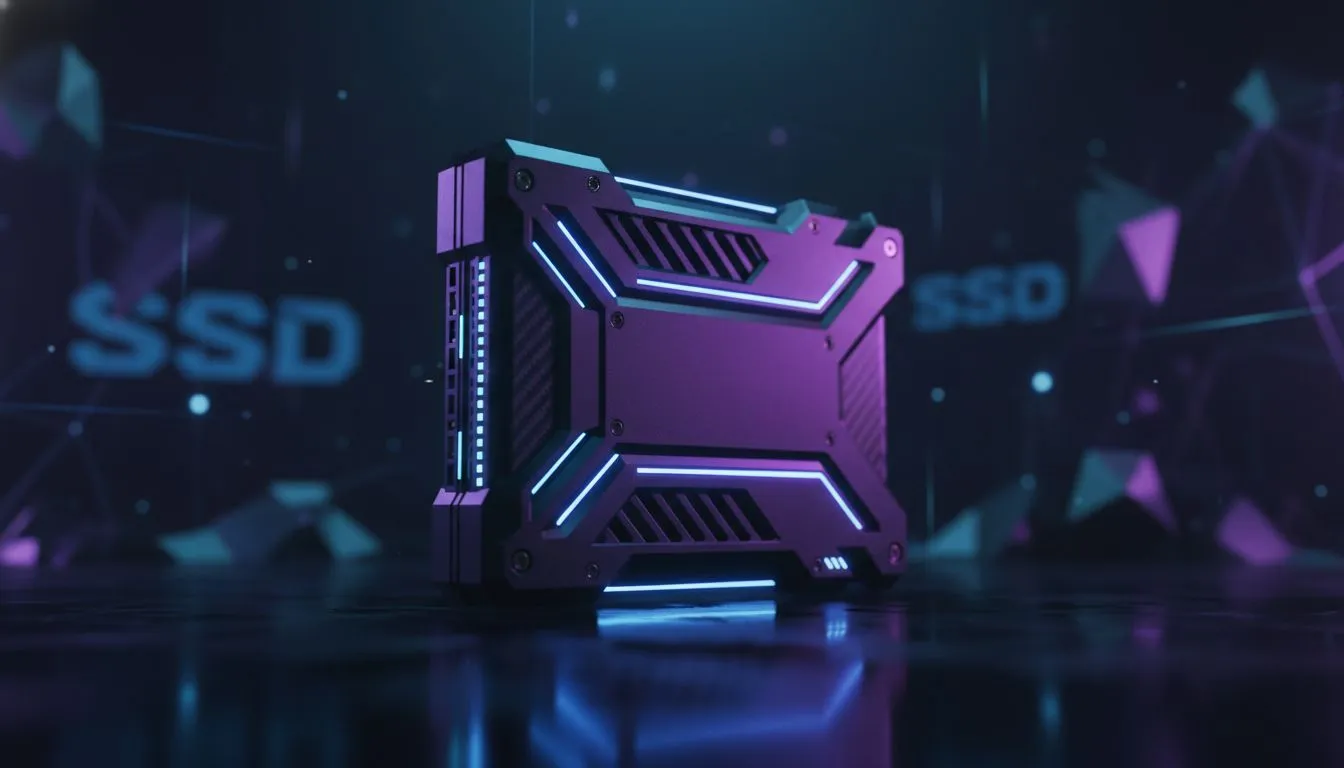
We’ve all been there. You’re dropping into Rebirth Island, the countdown hits zero… but the world is a blurry, low-poly mess. While you’re stuck waiting for buildings to render, an enemy who loaded in seconds faster has already grabbed a ground-loot SMG. Game over. Frustrating, right? The culprit is often a slow hard drive. Upgrading to one of the best SSDs for Battle Royales isn't just a luxury; it's a massive competitive advantage. 🚀
In fast-paced games like Warzone, Apex Legends, and Fortnite, the time it takes to load the map and all its assets is critical. A traditional Hard Disk Drive (HDD) with its spinning platters simply can't keep up. An SSD (Solid-State Drive), on the other hand, uses flash memory to access data almost instantly.
This means:
Navigating the huge selection of modern solid-state drives can feel a bit daunting, but understanding the basics is easy.
When looking for the best gaming SSD, you'll see two main types: SATA and NVMe. Think of it like this: a SATA SSD is a fast sports car, but an NVMe SSD is a Formula 1 machine on a dedicated racetrack.
Before you buy a super-fast NVMe SSD, double-check that your motherboard has a compatible M.2 slot. Most modern boards do, but it's always best to confirm. Check your motherboard's manual or product page online to see what type of M.2 slots (e.g., PCIe 3.0, 4.0, or 5.0) it supports to get the maximum speed from your new drive.
Beyond the NVMe vs. SATA debate, a few other numbers matter when choosing the best SSD for battle royales.
With games like Call of Duty easily topping 200GB, storage space disappears fast. A 500GB drive is the absolute minimum, but we strongly recommend a 1TB SSD as the new sweet spot for gamers. It gives you enough room for your operating system, a few favourite battle royales, and other apps without constantly having to uninstall things. Even if your budget is tight, you can find some fantastic SSD deals in ZAR if you know where to look.
Sequential read speed (measured in MB/s) is the most important metric for loading games faster. This number tells you how quickly the drive can read large files, like map data and textures. For a great experience in 2025, look for:
While you're optimising your internal storage, don't forget about portable options. A high-speed external SSD is perfect for taking your game library to a friend's place without waiting hours for downloads.
Finding the single "best" drive depends on your budget and your rig. Here's how we'd break it down:
No matter your choice, upgrading is one of the most noticeable improvements you can make. Check out our full catalogue of SSDs and other components to get started on your build.
Ready to Drop In Faster? Stop letting slow load times cost you the win. An SSD is the key to a smoother, faster, and more competitive battle royale experience. Explore our massive range of high-speed SSDs and find the perfect drive to dominate the lobby.
NVMe M.2 SSDs deliver the fastest load times and drop-in performance; SATA still works for budget builds. See our best nvme ssd for battle royale picks.
Faster SSDs cut map and asset load times and reduce stuttering during drops, but they don't lower network latency or ping.
Aim for 1TB for several modern battle royales plus updates; 2TB is recommended if you keep many AAA titles installed.
Budget NVMe drives can be fine if they offer sustained read speeds; choose drives with strong real-world load-time tests.
Endurance (TBW) matters less for typical gamers but choose moderate endurance for heavy installs or long play sessions.
High-end NVMe SSDs with strong sequential reads and low latency shorten Fortnite and Apex load times significantly.
External NVMe enclosures can work but expect slightly higher latency than internal M.2 NVMe for fastest load times.
Dedicated media keys give streamers one-touch control to mute, switch scenes, clip highlights, and adjust audio — cutting task time and boosting consistency 🎛️⚡
Read more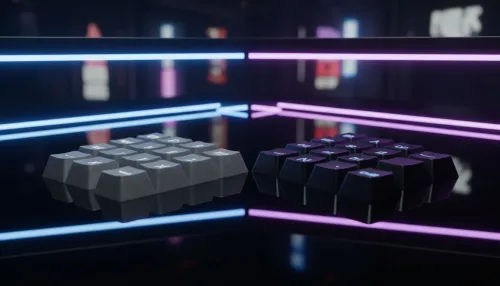
PBT vs ABS keycaps: Clear, local guide for South African gamers—compare feel, sound, durability and where to buy. Find the best material for your budget and playstyle 🎮🇿🇦
Read more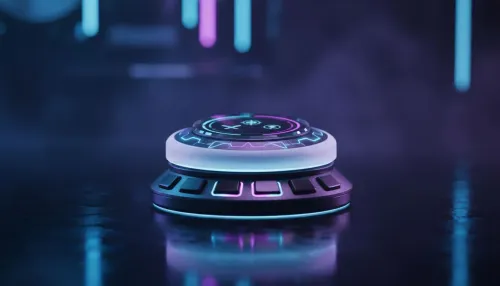
- Multi-Function Digital Dial: define benefits - Show gamer setups and macros - Offer buying and setup tips Multi-Function Digital Dial puts programmable control at your fingertips for faster actions and smoother streaming. 🎮⚙️
Read more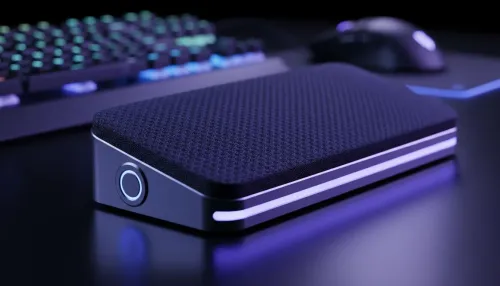
- Explain benefits; - Show the science; - Compare options; - Recommend picks. Magnetic wrist rest for gaming cuts wrist strain and boosts comfort during long sessions 🕹️✨
Read more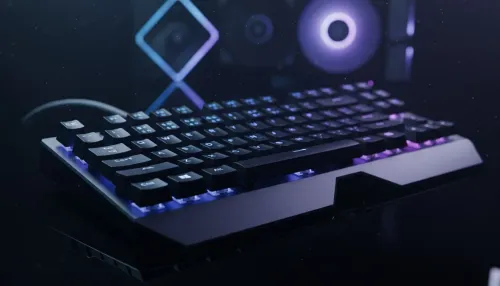
best gaming keyboard South Africa: Learn how to pick a low-latency mechanical keyboard, choose switches, layout and budget for competitive play 🎮⚡
Read more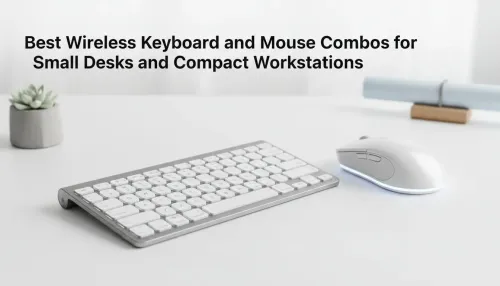
Best wireless keyboard and mouse combo for small desks — curated, space-saving picks that boost comfort and productivity in tight setups. Find low-profile layouts, compact mice, and reliable range to fit your compact workstation. 🖱️⌨️
Read more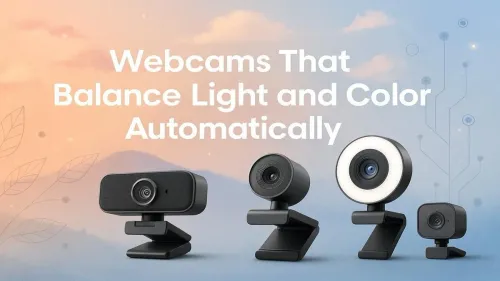
Discover webcams that automatically adjust light and color for crystal-clear video calls 🎥✨. Boost your streaming quality today!
Read more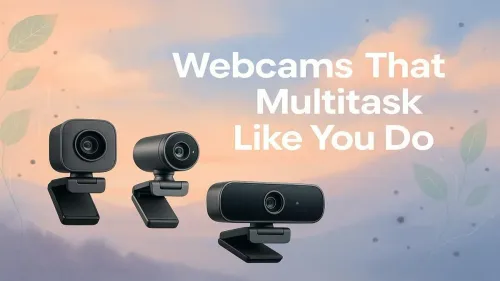
Discover webcams that blend into your workflow 🎯 Capture moments while you work, stream, or create. Upgrade your setup with smart, multitasking tech!
Read more Dedicated media keys give streamers one-touch control to mute, switch scenes, clip highlights, and adjust audio — cutting task time and boosting consistency 🎛️⚡
Read more PBT vs ABS keycaps: Clear, local guide for South African gamers—compare feel, sound, durability and where to buy. Find the best material for your budget and playstyle 🎮🇿🇦
Read more - Multi-Function Digital Dial: define benefits - Show gamer setups and macros - Offer buying and setup tips Multi-Function Digital Dial puts programmable control at your fingertips for faster actions and smoother streaming. 🎮⚙️
Read more - Explain benefits; - Show the science; - Compare options; - Recommend picks. Magnetic wrist rest for gaming cuts wrist strain and boosts comfort during long sessions 🕹️✨
Read more