

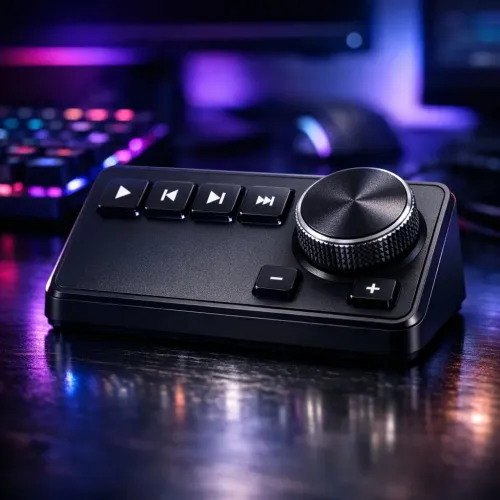
Dedicated Media Keys for Streamers: Improve Workflow Fast
Dedicated media keys give streamers one-touch control to mute, switch scenes, clip highlights, and adjust audio — cutting task time and boosting consistency 🎛️⚡
Read moreIs built-in monitor bias lighting just a gimmick or a true game-changer? We dive into the tech behind integrated RGB strips, exploring if they actually reduce eye strain, boost immersion, and justify the extra cost on your next gaming monitor. ✨ Find out if it's worth the hype! 🎮
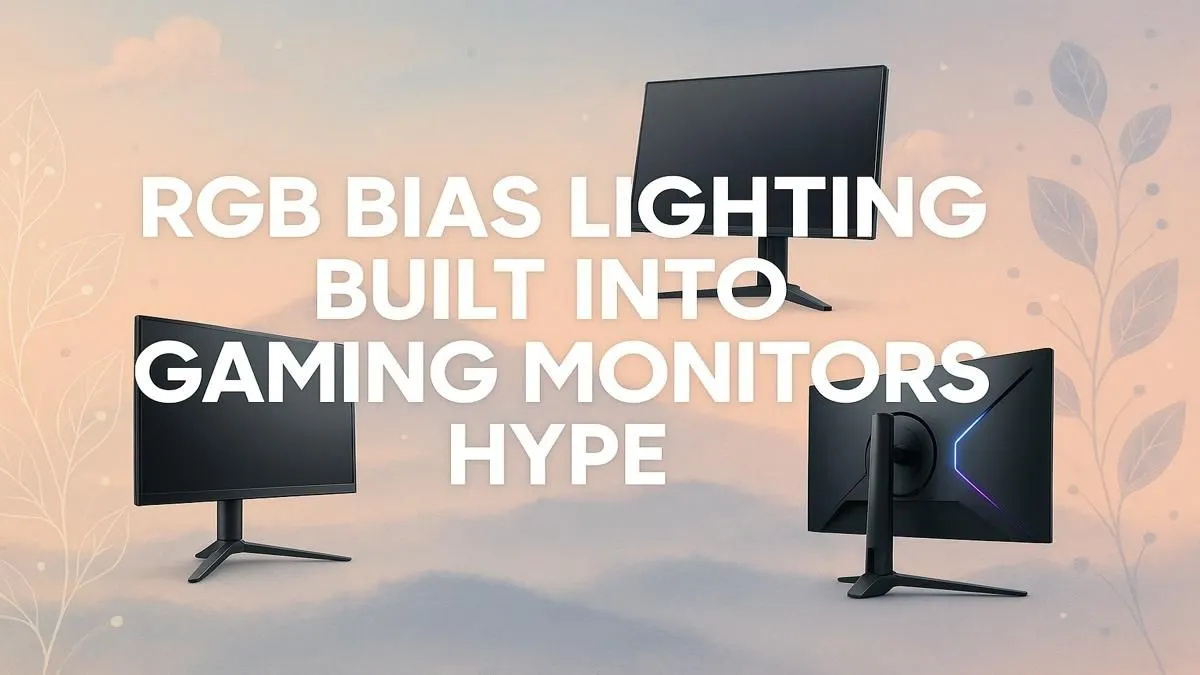
You’re deep in a late-night gaming session, the only light coming from the on-screen chaos. Your eyes feel strained, but you push through. We've all been there. What if that screen glow could work for you? Many premium monitors now feature built-in monitor bias lighting, promising less eye strain and deeper immersion. But is this feature a true enhancement for South African gamers, or just a flashy gimmick you’ll pay extra for? Let's investigate.
At its core, bias lighting is a simple concept: a soft, indirect light source placed behind your screen. Its purpose is to reduce the intense contrast between a bright display and a dark room. This simple trick reduces the work your eyes have to do, which can lead to significantly less fatigue during long hours of gaming or work.
Properly implemented, it can also improve the perceived black levels and colour contrast of your screen, making visuals pop. While many different types of PC monitors can benefit from this, the debate rages on whether a built-in solution is the best approach.
Why opt for a monitor that includes this feature right out of the box? The advantages are clear for those who value convenience and a clean aesthetic.
The biggest selling point for built-in monitor bias lighting is its flawless integration. There are no extra USB cables to manage, no third-party apps to install, and no sticky LED strips to peel off your expensive display. Everything is controlled through the monitor’s own settings menu, often syncing perfectly with the on-screen action. This is particularly effective on immersive curved monitors, where the light wraps around your peripheral vision, pulling you deeper into the game world.
For gamers who've spent a fortune on cable management and a minimalist setup, a built-in solution is a dream. It maintains that clean, professional look without sacrificing the atmospheric and ergonomic benefits of bias lighting. The effect is a setup that looks like it came straight from a pro streamer's studio.
Of course, it’s not all perfect. Integrated solutions have their drawbacks, and they aren't the only way to get a great lighting experience.
Monitors with high-quality, addressable RGB bias lighting for gaming often sit in a higher price bracket. You have to ask yourself if the convenience is worth the extra Rands, which could otherwise be spent on a higher refresh rate or better panel technology.
For those on a budget or who love to tinker, third-party kits offer a compelling alternative. A wide range of monitor accessories like USB-powered LED strips can be had for a fraction of the cost. While they may require a bit more setup, they offer incredible flexibility. It's also a feature you're unlikely to find on specialised screens like portable monitors, where size and efficiency are key.
If your monitor’s built-in bias lighting is distracting, try setting it to a static, neutral white colour (around 6500K) instead of a dynamic RGB that mirrors the screen. This provides all the eye-strain-reducing benefits without the potentially distracting colour shifts during fast-paced gameplay. It’s the best of both worlds!
Ultimately, the decision comes down to your priorities and budget.
The verdict is YES if:
You might want to skip it if:
Built-in monitor bias lighting is more than just a gimmick; it offers real ergonomic and immersive benefits. Whether that integrated convenience is worth the hype and the price is a choice every gamer has to make when browsing the huge range of all gaming monitors available today. 🚀
Ready to Upgrade Your View? Whether you're sold on integrated bias lighting or focused purely on panel performance, the right display transforms your entire PC experience. Explore our massive range of monitor specials and find the perfect screen to dominate the competition.
The main point is to reduce eye strain by providing ambient light behind the screen, which lessens the harsh contrast between a bright display and a dark room.
Yes, when synced with on-screen content, integrated RGB lighting can extend the game's colours onto the wall behind it, making your field of view feel larger and more immersive.
They are similar concepts. Ambilight is a proprietary Philips technology for TVs, while many monitor brands offer their own integrated RGB ambient lighting systems.
Yes, you can buy third-party LED strip kits to add bias lighting to any monitor. However, built-in solutions offer seamless integration and software control.
It uses LED strips on the back of the monitor that project light onto the wall. Advanced systems use software to analyze on-screen colours and match the lighting in real-time.
It depends on your priorities. If you value aesthetics, reduced eye strain, and enhanced immersion without extra setup, then paying for integrated RGB can be worth it.
Dedicated media keys give streamers one-touch control to mute, switch scenes, clip highlights, and adjust audio — cutting task time and boosting consistency 🎛️⚡
Read more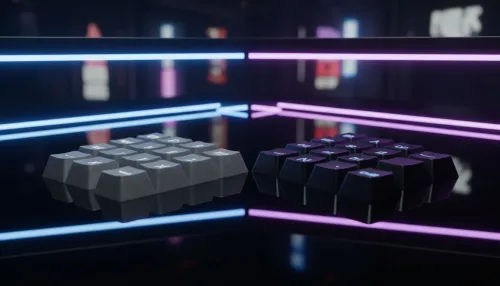
PBT vs ABS keycaps: Clear, local guide for South African gamers—compare feel, sound, durability and where to buy. Find the best material for your budget and playstyle 🎮🇿🇦
Read more
- Multi-Function Digital Dial: define benefits - Show gamer setups and macros - Offer buying and setup tips Multi-Function Digital Dial puts programmable control at your fingertips for faster actions and smoother streaming. 🎮⚙️
Read more
- Explain benefits; - Show the science; - Compare options; - Recommend picks. Magnetic wrist rest for gaming cuts wrist strain and boosts comfort during long sessions 🕹️✨
Read more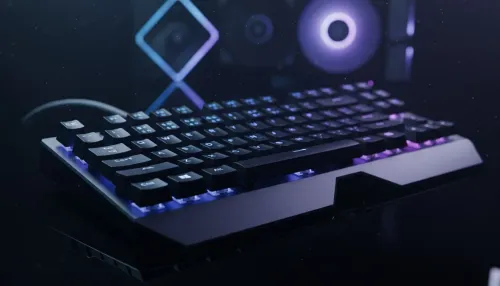
best gaming keyboard South Africa: Learn how to pick a low-latency mechanical keyboard, choose switches, layout and budget for competitive play 🎮⚡
Read more
Best wireless keyboard and mouse combo for small desks — curated, space-saving picks that boost comfort and productivity in tight setups. Find low-profile layouts, compact mice, and reliable range to fit your compact workstation. 🖱️⌨️
Read more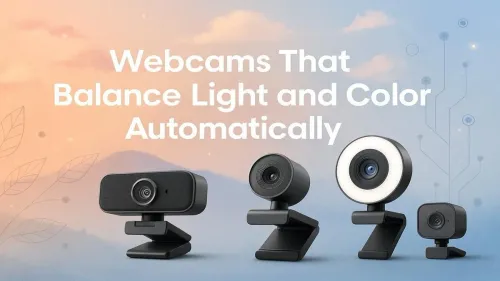
Discover webcams that automatically adjust light and color for crystal-clear video calls 🎥✨. Boost your streaming quality today!
Read more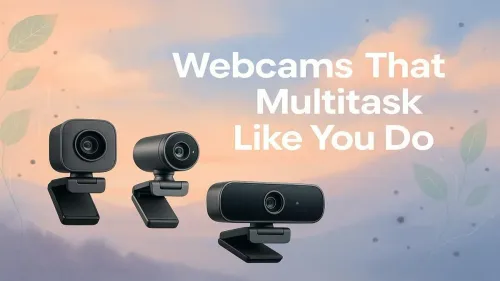
Discover webcams that blend into your workflow 🎯 Capture moments while you work, stream, or create. Upgrade your setup with smart, multitasking tech!
Read more Dedicated media keys give streamers one-touch control to mute, switch scenes, clip highlights, and adjust audio — cutting task time and boosting consistency 🎛️⚡
Read more PBT vs ABS keycaps: Clear, local guide for South African gamers—compare feel, sound, durability and where to buy. Find the best material for your budget and playstyle 🎮🇿🇦
Read more - Multi-Function Digital Dial: define benefits - Show gamer setups and macros - Offer buying and setup tips Multi-Function Digital Dial puts programmable control at your fingertips for faster actions and smoother streaming. 🎮⚙️
Read more - Explain benefits; - Show the science; - Compare options; - Recommend picks. Magnetic wrist rest for gaming cuts wrist strain and boosts comfort during long sessions 🕹️✨
Read more