

RTX 5070 Valorant Optimised Settings: Best Graphics for Max FPS 2026
RTX 5070 Valorant Optimised Settings: Graphics. Real-world benchmark data, FPS numbers & performance analysis. What SA gamers can actually expect.
Read moreBuilt-in stereo microphone vs external mic: choose the right option for calls, streaming, and everyday use. Cut background noise and improve voice pickup with practical guidance. 🎙️✅
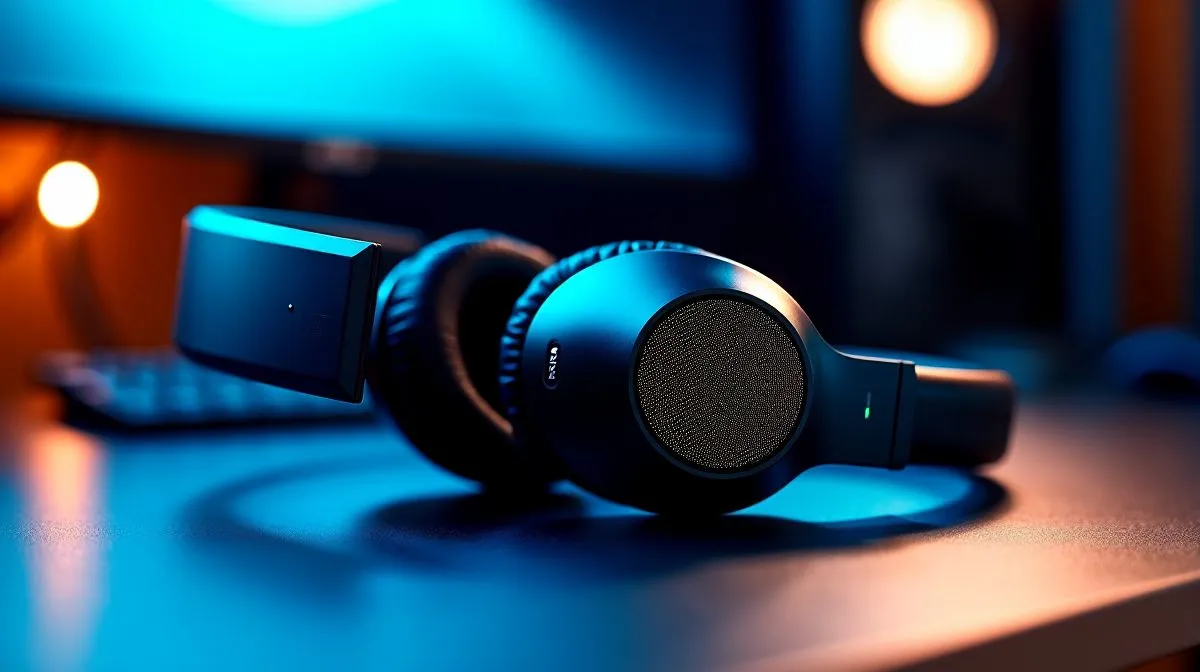
If you’re a South African gamer or content creator, you know how crucial clear audio is for connecting with your squad or audience. But is your built-in stereo microphone cutting it, or should you invest in an external mic? Choosing between a built-in stereo microphone vs external mic can make or break your gaming and streaming experience. This guide breaks down the key differences, so your voice always comes through crisp and clear.
Built-in stereo microphones are convenient — they’re already inside your laptop or webcam. But their sound quality tends to be average at best, picking up a lot of background noise and lacking detail. The microphone’s physical position is usually further from your mouth, which means your voice sounds muffled or distant. For casual calls or quick chats, it might work. But serious gamers and streamers quickly notice the difference.
If you want better, affordable options, browse Evetech’s range of webcams under R1000 that come with improved built-in mics, offering a tidy upgrade over typical laptop setups.
External microphones are all about capturing your voice clearly and rejecting background noise. From USB condensers to dynamic mics, they position closer to your mouth for richer sound. Plus, many allow you to tweak settings for optimal clarity—cutting out keyboard clicks or fan hum. This upgrade matters for esports competitions, streaming, or content creation on YouTube or Twitch.
For a versatile solution that pairs well with gaming rigs, check out Evetech’s top-tier webcams priced up to R3000 featuring external mic support and enhanced sound tech.
Try recording in a quieter room or use soft furnishings to reduce echo. This drastically improves mic performance whether built-in or external.
If your budget or desk space is tight, a good-quality built-in stereo microphone inside a solid webcam can deliver decent audio for everyday use. However, if you’re streaming regularly or want pro-level voice chat with zero fuzz, an external mic will serve you better. Prioritise external mics that connect easily via USB and have adjustable gain controls for best results.
Evetech’s comprehensive webcam selection lets you pick gear tailored to your audio needs without overspending.
South African gamers and tech buyers should consider their priorities: convenience versus clarity. Built-in stereo microphones work fine for casual users. But for louder, more defined audio, especially in competitive or content spaces, an external mic is worth the investment. Balance price, space, and use-case — and pair your mic with quality peripherals for the smoothest voice experience.
Upgrade Your Voice Setup Today Don’t settle for shaky sound. Shop now at Evetech to find the perfect mic or webcam combo that fits your gaming or streaming needs perfectly.
Often yes for quiet rooms, but external mics usually improve clarity and reduce background noise for better call audio.
Yes. An external mic typically offers stronger voice pickup and more consistent noise control than a built-in stereo microphone.
Most users benefit more from mic quality and noise rejection than from stereo alone; clarity and background control matter most.
Often, yes for setup ease and consistent levels, but either can perform well if the mic quality and settings are right.
Improve mic placement, lower room noise, and use software noise reduction; however, an external mic usually performs better.
Headset mics can be best for calls and mobility, while external mics often deliver stronger streaming-focused voice tone.
Place the mic consistently near your mouth and reduce reflections; small distance changes can noticeably improve voice pickup.
Avoid clipping by lowering gain until peaks stay clean; moderate levels reduce distortion and improve intelligibility.
RTX 5070 Valorant Optimised Settings: Graphics. Real-world benchmark data, FPS numbers & performance analysis. What SA gamers can actually expect.
Read more
Top Laptop with Core i7 + RX 7700S: Picks picks evaluated on performance, value & SA availability with current Rand pricing from Evetech.
Read more
When Will the RTX 6090 Launch in South Africa Detailed answer with SA data, expert analysis & practical recommendations for local buyers.
Top Valorant Settings for RTX 5070: FPS Optimisation picks evaluated on performance, value & SA availability with current Rand pricing from Evetech.
RDNA 3.5 Graphics in Ryzen AI 400? Can You Game. Plain-English explanation of what it means, why it matters & how it affects your buying decisions in SA.

GPU Price Index : December Report. Current stock data & price tracking for SA buyers. See what is available and where prices are heading.

Core i5-14600K + B760 + RTX 5060 Build Under. Full parts list, Rand pricing & expected performance. Build confidently with SA-available components.
RX 7600 Apex Legends at 4K: FPS Benchmark. Real-world benchmark data, FPS numbers & performance analysis. What SA gamers can actually expect.
RX 7900 XTX GTA 6 at 4K: FPS Benchmark & Optimal. Real-world benchmark data, FPS numbers & performance analysis. What SA gamers can actually expect.
Head-to-head comparison of RTX 5070 vs RX 9070 XT: Gaming Performance for SA gamers. Performance benchmarks, Rand pricing & which delivers better value.
GPU Setup Guide Gamers. Clear setup instructions with SA-specific considerations, troubleshooting tips & recommended components.
Top RTX 5090 Under R12000 picks evaluated on performance, value & SA availability with current Rand pricing from Evetech.
Call of Duty Warzone 2 Settings on RX 7600. Real-world benchmark data, FPS numbers & performance analysis. What SA gamers can actually expect.
GTA 6 Settings on RTX 5070 Ti: Performance. Real-world benchmark data, FPS numbers & performance analysis. What SA gamers can actually expect.