

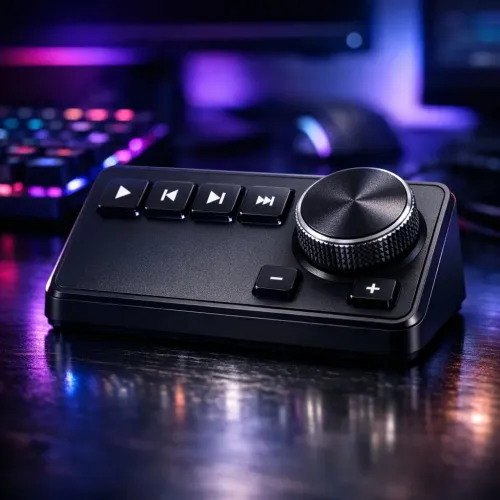
Dedicated Media Keys for Streamers: Improve Workflow Fast
Dedicated media keys give streamers one-touch control to mute, switch scenes, clip highlights, and adjust audio — cutting task time and boosting consistency 🎛️⚡
Read more- Compare functions and use cases - Know when to buy - Practical safety and buying tips Jump starter vs battery charger explained: learn when to use each, pros and cons, and quick buying advice 🔋🚗
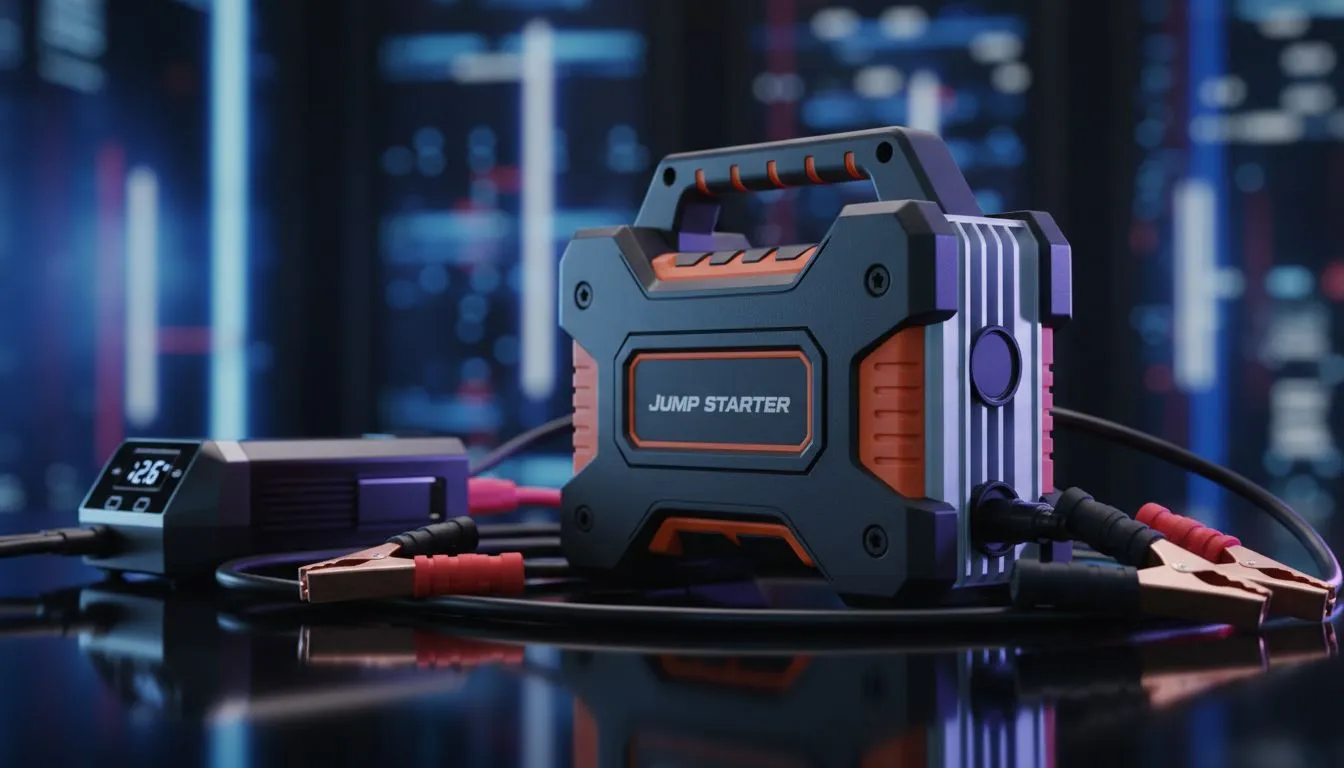
Picture this. You are ready to head out for a massive gaming session or a long day at the office, but your car clicks and stays dead. In South Africa, where reliable transport is everything, knowing the Jump Starter vs Battery Charger: What's the Difference? is vital. Both tools save your day... but they serve completely different purposes in your tech arsenal. ⚡
A jump starter is essentially a high-capacity portable battery. It is designed to deliver a massive burst of cranking amps in seconds. Think of it like a shot of adrenaline for your car. It does not actually "charge" the battery to full capacity. Instead, it provides just enough juice to turn the engine over. Once the car is running, the alternator takes over the job of recharging the battery while you drive.
Browsing the latest CarTech essentials reveals how portable these devices have become. Modern lithium-ion versions are small enough to fit in your glove box. This makes them perfect for South Africans who travel frequently or attend late-night events. Brands like Promate offer versatile car accessories that often include built-in torches and USB ports to charge your phone during a breakdown.
Unlike the jump starter, a battery charger is a long-term solution. It plugs into a wall outlet and feeds electricity into your battery over several hours. This process is much gentler and helps to restore the chemical balance inside the battery. If your car has been sitting idle for weeks, a charger is the only way to safely bring the battery back to life.
If your car battery is completely flat, do not rely on the alternator to do all the work. Using a dedicated charger helps to desulphate the plates and extend the battery lifespan. This is especially important during cold Highveld winters where batteries often struggle to hold a charge.
The choice depends on your specific situation. If you are stranded at a mall, you need a jump starter. If your car is parked in the garage and won't start after a long holiday, you need a charger. Many enthusiasts prefer to keep premium car tech under R2000 in their boot for peace of mind. These units often combine safety features like spark-proof clamps and reverse polarity protection.
For those on a tighter budget, there are still plenty of affordable car accessories under R500 that can help you monitor your battery voltage. Keeping an eye on your battery health can prevent a breakdown before it even happens. 🔧
Ready to Power Up Your Ride? Don't let a dead battery stall your plans. Whether you need an emergency boost or long-term maintenance, Evetech has the gear to keep you moving. Explore our full range of CarTech solutions and find the perfect backup for your vehicle today.
A jump starter gives an instant high-current boost to start an engine; a battery charger slowly restores battery capacity over hours.
Most chargers can't deliver the cranking amps needed. Use a jump starter or a charger with a jump-start mode.
Charging time varies widely: 4 to 24 hours depending on charger type, battery condition, and amperage.
Buy a jump starter if you need portable emergency starts; choose a charger for maintenance and slow, full recharges.
Yes when you follow instructions: correct clamp placement, no sparks, and use built-in protections if available.
Modern units with surge and polarity protection minimize risk; always follow manufacturer guidelines to protect electronics.
For most gasoline cars, 400-800 peak amps is common; larger or diesel engines need higher peak amp ratings.
Dedicated media keys give streamers one-touch control to mute, switch scenes, clip highlights, and adjust audio — cutting task time and boosting consistency 🎛️⚡
Read more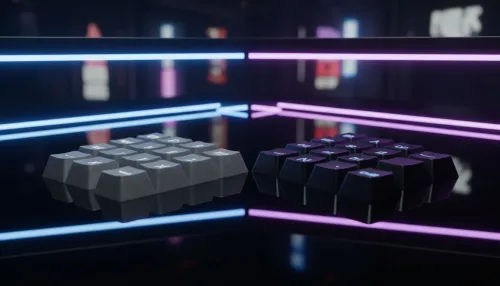
PBT vs ABS keycaps: Clear, local guide for South African gamers—compare feel, sound, durability and where to buy. Find the best material for your budget and playstyle 🎮🇿🇦
Read more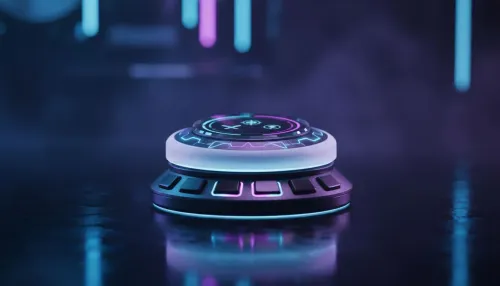
- Multi-Function Digital Dial: define benefits - Show gamer setups and macros - Offer buying and setup tips Multi-Function Digital Dial puts programmable control at your fingertips for faster actions and smoother streaming. 🎮⚙️
Read more
- Explain benefits; - Show the science; - Compare options; - Recommend picks. Magnetic wrist rest for gaming cuts wrist strain and boosts comfort during long sessions 🕹️✨
Read more
best gaming keyboard South Africa: Learn how to pick a low-latency mechanical keyboard, choose switches, layout and budget for competitive play 🎮⚡
Read more
Best wireless keyboard and mouse combo for small desks — curated, space-saving picks that boost comfort and productivity in tight setups. Find low-profile layouts, compact mice, and reliable range to fit your compact workstation. 🖱️⌨️
Read more
Discover webcams that automatically adjust light and color for crystal-clear video calls 🎥✨. Boost your streaming quality today!

Discover webcams that blend into your workflow 🎯 Capture moments while you work, stream, or create. Upgrade your setup with smart, multitasking tech!
Dedicated media keys give streamers one-touch control to mute, switch scenes, clip highlights, and adjust audio — cutting task time and boosting consistency 🎛️⚡
PBT vs ABS keycaps: Clear, local guide for South African gamers—compare feel, sound, durability and where to buy. Find the best material for your budget and playstyle 🎮🇿🇦
- Multi-Function Digital Dial: define benefits - Show gamer setups and macros - Offer buying and setup tips Multi-Function Digital Dial puts programmable control at your fingertips for faster actions and smoother streaming. 🎮⚙️
- Explain benefits; - Show the science; - Compare options; - Recommend picks. Magnetic wrist rest for gaming cuts wrist strain and boosts comfort during long sessions 🕹️✨