Remember when portable gaming meant squinting at blurry screens and hunting for AA batteries? Those days are long gone. In 2025, the battleground for mobile dominance is the display itself. If you are still rocking an older panel, you might be missing the true vibrancy of your games. Whether you're commuting or dodging load shedding, the shift in the OLED vs IPS handheld debate is a visual revolution you have to see to believe.
The Blacker the Black, the Brighter the Colour 🎨
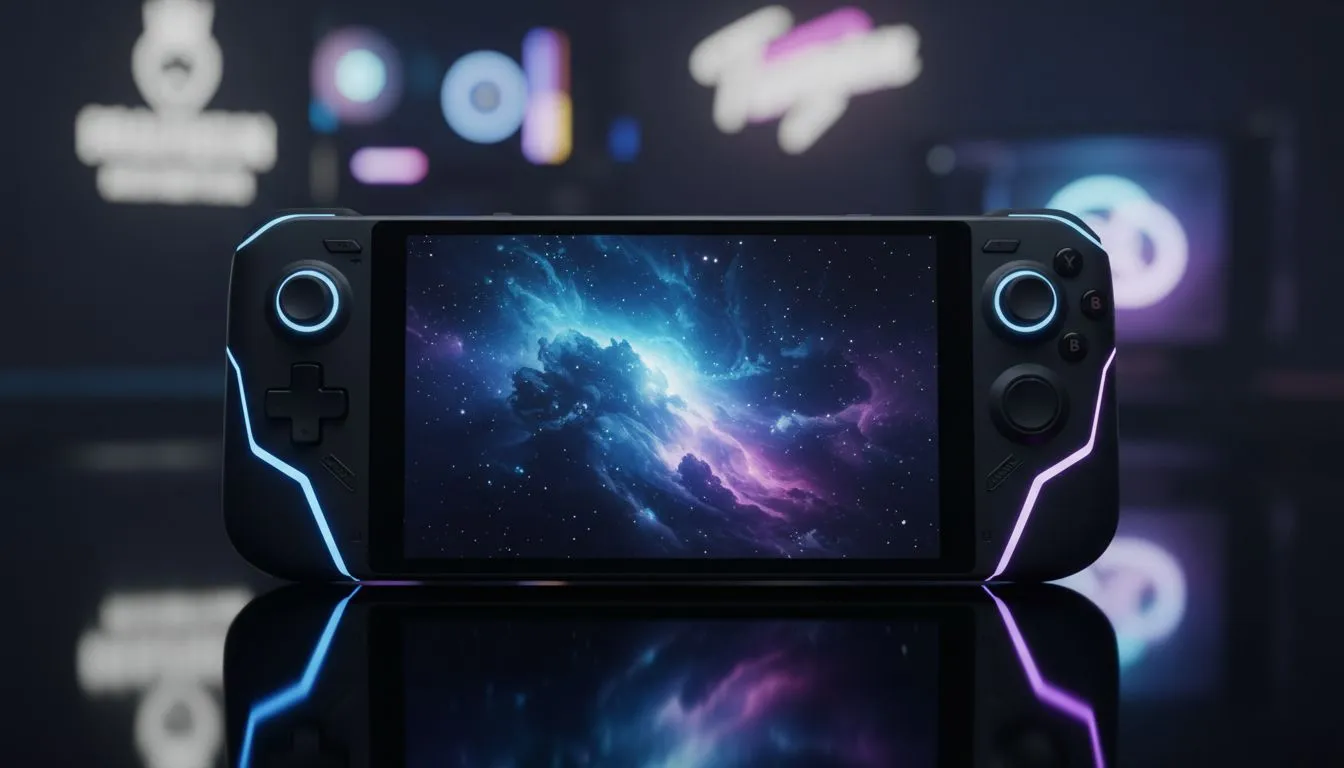
The fundamental difference lies in how the screens are lit. Traditional IPS (In-Plane Switching) panels use a backlight, which means even when a scene is supposed to be pitch black, there is a faint grey glow. OLED (Organic Light-Emitting Diode) changes the game by allowing each pixel to turn off completely.
This creates an "infinite" contrast ratio. For handheld gaming consoles, this means horror games are genuinely terrifying, and vibrant platformers pop off the screen. Additionally, because black pixels require zero energy, an OLED screen can actually help optimse battery life if you run your games in dark mode—a crucial feature when you are far from a power outlet.
Motion Clarity and Speed 🚀
It isn't just about pretty colours; it's about speed. OLED panels boast near-instant pixel response times, virtually eliminating ghosting. While high-end IPS panels on devices like the ASUS ROG Ally are incredibly fast and offer high refresh rates, OLED technology inherently handles motion blur better. If you play fast-paced shooters or racing sims, that clarity in motion gives you a distinct competitive edge.
The Resolution vs. Contrast Debate
However, IPS isn't dead. It often allows for higher brightness levels and sharper resolutions at a lower price point. For instance, the Lenovo Legion Go sports a massive QHD+ IPS display that offers crisp visuals that some lower-resolution OLEDs can't match. It comes down to what you value more: the deep, moody contrast of OLED or the raw pixel density of a top-tier IPS.
Battery Saver Hack ⚡
On an OLED handheld, use 'Dark Mode' in Windows and your game UI. Since black pixels consume zero power on OLED screens, this simple switch can squeeze out extra playtime during a long load shedding bout compared to a standard IPS screen.
Future-Proofing Your Gear
As we move deeper into 2025, developers are mastering HDR (High Dynamic Range) implementation. OLED screens are naturally better suited to display HDR content, offering peak brightness highlights that make sunlight in-game look real. Even competitors entering the market, like the MSI Claw, are pushing the boundaries of what portable hardware can do. Upgrading to a device with superior screen tech ensures your library looks its best for years to come.
Ready to Level Up Your Handheld Experience? Whether you prioritize the infinite contrast of OLED or the high-refresh speed of a premium IPS, the perfect portable rig is waiting for you. Browse our latest handheld deals and take your gaming anywhere in South Africa.