

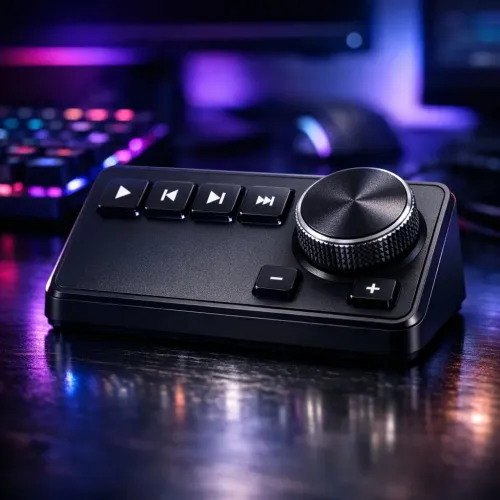
Dedicated Media Keys for Streamers: Improve Workflow Fast
Dedicated media keys give streamers one-touch control to mute, switch scenes, clip highlights, and adjust audio — cutting task time and boosting consistency 🎛️⚡
Read moreSapphire NITRO+ vs Reference Cards — clear benchmarks, cooling, noise, warranty and price to guide your buy decision 🧾🔥 Decide if the premium fits your build and budget.
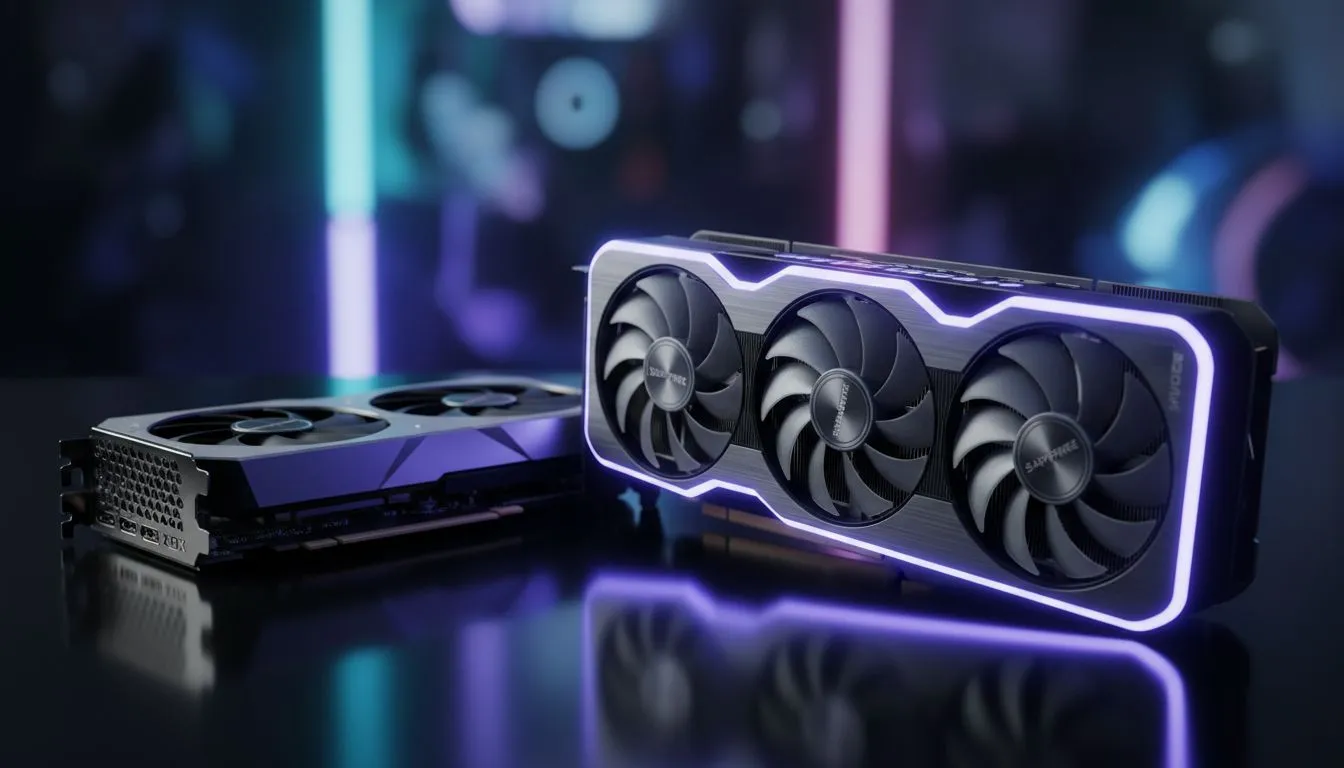
Choosing a new GPU in South Africa often comes down to a tough choice between the "standard" model and a premium custom design. You see the price gap in ZAR and wonder if that extra investment actually buys you more frames or just fancy lights. When comparing the Sapphire NITRO+ vs Reference Cards, the decision involves more than just raw clock speeds... it is about cooling, noise, and longevity in our local climate. 🔧
Reference cards, often called "Made by AMD" models, are built to meet the baseline specifications. They are reliable and compact, but they rarely push the silicon to its absolute limit. In contrast, the Sapphire NITRO+ series is engineered for those who want every bit of performance squeezed out of the box.
While the underlying chip is the same, Sapphire applies a significant factory overclock. This means you get higher boost clocks without having to fiddle with settings yourself. If you are browsing the wider range of graphics cards at Evetech, you will notice that these premium tiers often sit a few percentage points above their reference siblings in benchmarks. Is it a massive leap? Usually not. But for enthusiasts, those extra frames at 4K resolution make all the difference.
Our local summers can be brutal on hardware. Reference cards typically use a "blower" style or a standard dual-fan setup that can struggle when the ambient temperature hits 30°C. The Sapphire NITRO+ uses the Tri-X cooling system... featuring high-quality fans and massive heatsinks that dwarf the reference design.
If you find your GPU fans ramping up too loudly during a session of Warzone or Cyberpunk, try setting a custom fan curve in the TriXX software. Sapphire cards allow you to prioritise silence over raw cooling, or vice-versa, depending on your room's ambient temperature.
Better cooling does not just mean lower temperatures. It means the card can maintain its boost clock for longer periods without "thermal throttling." While many gamers look at Radeon Graphics Cards for their value, the NITRO+ adds value through its "Quick Connect" fan system, making it easy to clean or replace fans if they ever fail.
Reference cards have a clean, industrial look that fits well in professional builds. However, they often lack the reinforced backplates and premium materials found on the NITRO+. Sapphire uses a die-cast aluminium-magnesium alloy frame to prevent PCB sag... a common issue with modern, heavy GPUs.
If you are looking for alternatives, you might compare these features to what is offered by MSI or other top-tier manufacturers. The NITRO+ usually wins on the aesthetic front with its ARGB light bar, which can be synced with your motherboard to create a cohesive look for your rig. 🚀
The "worth it" factor depends on your priorities. If you are on a strict budget and every Rand counts, a reference card or a base-model GeForce Graphics Cards variant will give you the core performance you need. You aren't losing out on the fundamental technology.
However, if you value a silent PC, better overclocking headroom, and a card that looks like a piece of art through your tempered glass side panel, the Sapphire NITRO+ justifies its higher price tag. It is built for the long haul... ensuring that your investment stays cool and quiet even years down the line. ✨
Ready to Find Your Perfect Match? The Sapphire NITRO+ vs Reference Cards debate is complex, but for maximum power, choice, and value in South Africa, Evetech has you covered. Explore our massive range of graphics card specials and find the perfect machine to conquer your world.
Sapphire NITRO+ can be worth it if you value better cooling, quieter fans, and slightly higher clocks; check benchmarks for your target resolution.
Typical gains are 3–12% depending on model and cooling; run nitro plus vs reference benchmarks for your GPU and resolution to confirm.
Yes—Sapphire NITRO+ models use larger heatsinks and tuned fans, delivering lower temps and noise in most cooling comparison tests.
Often yes—improved cooling on nitro plus boosts thermal headroom, allowing safer overclocking vs reference cards in many tests.
For 1440p, nitro plus performance advantages and stability often translate to smoother frame rates; check 1440p benchmark results.
Sapphire generally offers solid build quality and competitive warranties; confirm the exact warranty terms before buying for peace of mind.
If used nitro plus prices are fair, the cooling and longevity can justify it; otherwise a new reference card may be safer for warranty reasons.
Dedicated media keys give streamers one-touch control to mute, switch scenes, clip highlights, and adjust audio — cutting task time and boosting consistency 🎛️⚡
Read more
PBT vs ABS keycaps: Clear, local guide for South African gamers—compare feel, sound, durability and where to buy. Find the best material for your budget and playstyle 🎮🇿🇦
Read more
- Multi-Function Digital Dial: define benefits - Show gamer setups and macros - Offer buying and setup tips Multi-Function Digital Dial puts programmable control at your fingertips for faster actions and smoother streaming. 🎮⚙️
Read more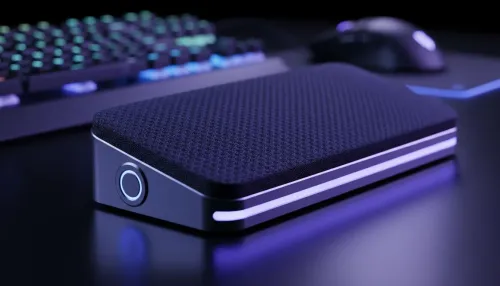
- Explain benefits; - Show the science; - Compare options; - Recommend picks. Magnetic wrist rest for gaming cuts wrist strain and boosts comfort during long sessions 🕹️✨
Read more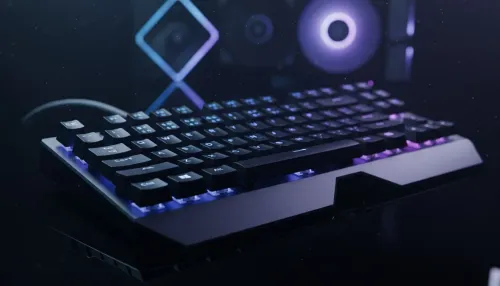
best gaming keyboard South Africa: Learn how to pick a low-latency mechanical keyboard, choose switches, layout and budget for competitive play 🎮⚡
Read more
Best wireless keyboard and mouse combo for small desks — curated, space-saving picks that boost comfort and productivity in tight setups. Find low-profile layouts, compact mice, and reliable range to fit your compact workstation. 🖱️⌨️
Read more
Discover webcams that automatically adjust light and color for crystal-clear video calls 🎥✨. Boost your streaming quality today!
Read more
Discover webcams that blend into your workflow 🎯 Capture moments while you work, stream, or create. Upgrade your setup with smart, multitasking tech!
Read more Dedicated media keys give streamers one-touch control to mute, switch scenes, clip highlights, and adjust audio — cutting task time and boosting consistency 🎛️⚡
Read more PBT vs ABS keycaps: Clear, local guide for South African gamers—compare feel, sound, durability and where to buy. Find the best material for your budget and playstyle 🎮🇿🇦
Read more - Multi-Function Digital Dial: define benefits - Show gamer setups and macros - Offer buying and setup tips Multi-Function Digital Dial puts programmable control at your fingertips for faster actions and smoother streaming. 🎮⚙️
Read more - Explain benefits; - Show the science; - Compare options; - Recommend picks. Magnetic wrist rest for gaming cuts wrist strain and boosts comfort during long sessions 🕹️✨
Read more