Understanding Smartwatch Navigation for Hiking
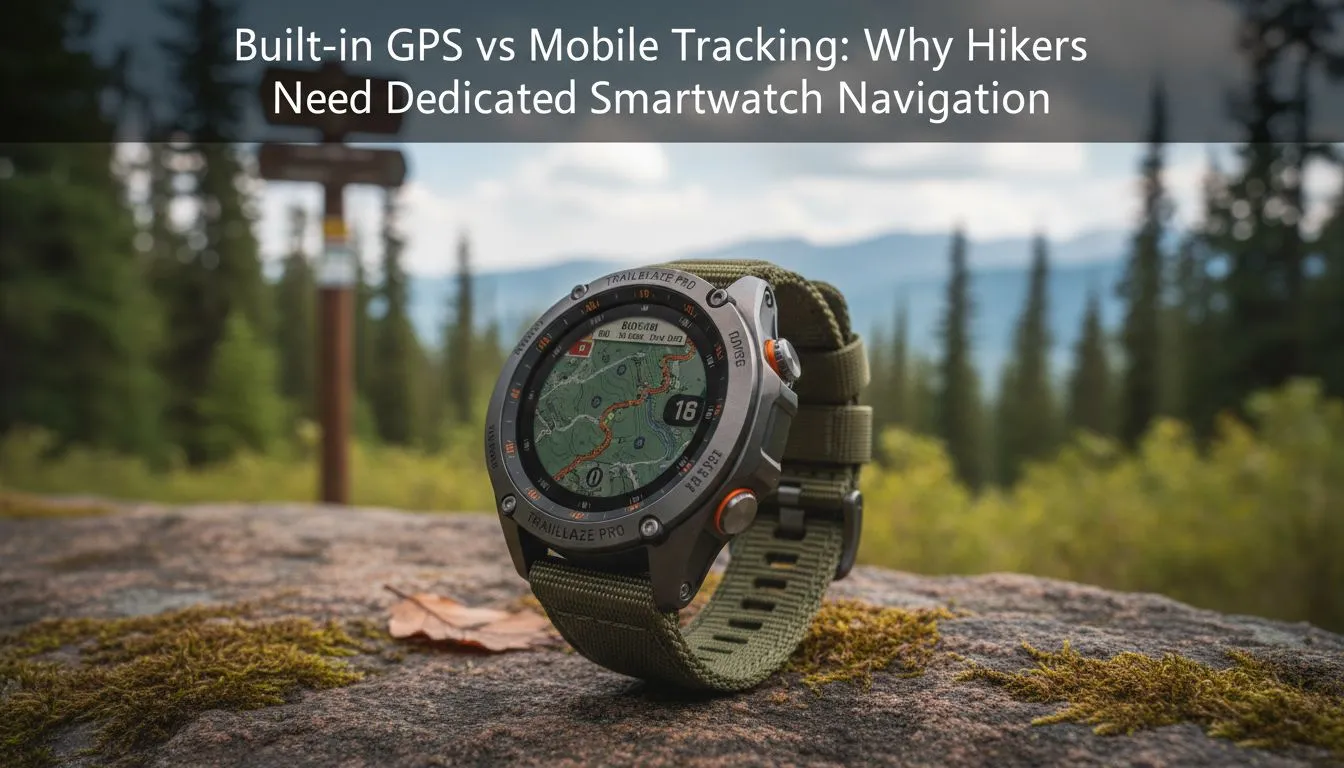
Whether you are tackling the Otter Trail or just a Sunday morning hike up Lion’s Head, knowing your exact location is vital. But should you rely on your phone’s signal or a dedicated wrist-worn sensor? Smartwatch navigation for hiking has evolved rapidly, making the choice between built-in GPS vs mobile tracking a key decision for every South African adventurer looking to stay on the right path. 🚀
The Power of Built-in GPS for Remote Trails
Built-in GPS allows your wearable to communicate directly with global satellites. This means the device does not need your smartphone to be nearby to track your route or speed. For serious hikers exploring the Drakensberg or remote parts of the Cederberg, this independence is a massive advantage. It ensures your phone battery stays topped up for emergency calls. You can find a wide variety of high-performance smart watches at Evetech that offer this standalone functionality. Reliability is essential when you are deep in a kloof with zero cellular reception.
Navigation Pro Tip ⚡
Always download offline maps on your smartphone before heading into areas with poor signal. Even if your watch has built-in GPS, having a secondary map that does not require data can be a lifesaver in the South African wilderness. It provides a vital backup for your primary navigation tool.
Mobile Tracking: A Versatile Choice for Casual Explorers
Mobile tracking... often called "Connected GPS"... uses your smartphone’s sensor via a Bluetooth link. This setup is common in more affordable wearables. While it works perfectly for urban park runs or well-marked coastal paths, it does have limitations. Your watch is essentially a second screen for your phone. If your phone battery dies, your navigation stops. If you want a versatile daily driver that handles basic weekend trails, the Promate smart watch range offers excellent value. These devices are perfect for those who always keep their phone handy in a backpack side pocket. 🔧
Built-in GPS vs Mobile Tracking: Balancing Cost and Accuracy
The main trade-off usually comes down to battery life and price. Built-in GPS sensors consume more power, but they provide much higher accuracy in dense forests or steep valleys. However, you do not need to spend a fortune to get reliable data for your Sunday strolls. If you are shopping on a budget, you can find capable smart watches under R1000 that keep you connected without breaking the bank. These models typically use mobile tracking to keep the hardware slim and affordable. Just remember that tethered tracking will drain your mobile phone battery faster during long treks... plan accordingly with a power bank. ✨
Choosing the Right Gear for Your Next Adventure
Deciding between built-in GPS vs mobile tracking depends on where you plan to go. If your adventures take you off the grid, standalone GPS is the gold standard. For those staying within city limits or on popular, well-signposted routes, mobile tracking is often more than enough. Smartwatch navigation for hiking is about peace of mind... ensuring you can enjoy the view without worrying about the way home. 🇿🇦
Ready to Find Your Perfect Match? Choosing between built-in GPS and mobile tracking depends on your adventure style and budget. Explore our massive range of smartwatch specials and find the perfect wearable to guide your next South African journey.