

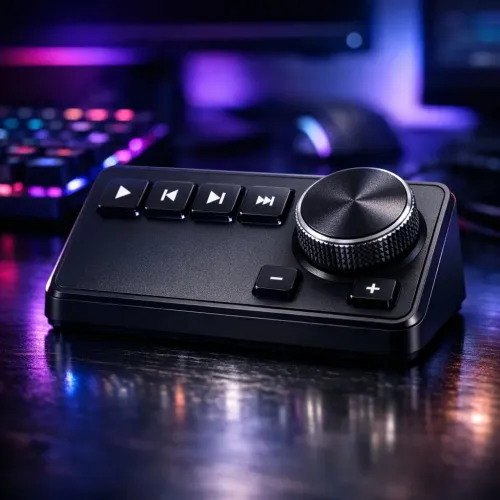
Dedicated Media Keys for Streamers: Improve Workflow Fast
Dedicated media keys give streamers one-touch control to mute, switch scenes, clip highlights, and adjust audio — cutting task time and boosting consistency 🎛️⚡
Read moreIs factory color calibration a marketing gimmick or a true feature? We put top monitors to the test to see if their out-of-the-box color accuracy lives up to the hype. Discover what those calibration reports really mean and if you still need to calibrate your new display for perfect colors. 🎨 Get the real data before you buy! 🖥️
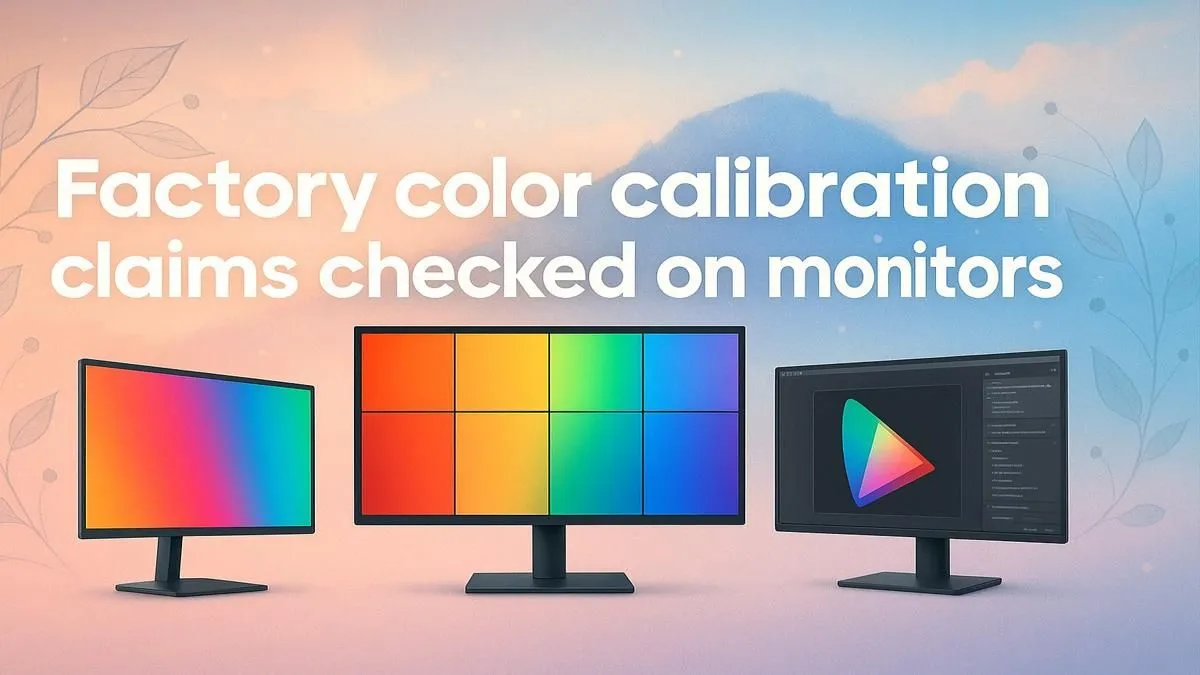
You're browsing for a new screen, weighing up the specs. You see the promise: "Factory Calibrated Colour." It sounds impressive, but what does it actually mean for your gaming or design work in South Africa? Is this a genuine feature or just clever marketing? Let's unpack whether monitor factory color calibration claims are accurate and if they truly matter for your next screen. The truth might surprise you.
Simply put, factory color calibration is a process where the manufacturer individually tests and adjusts a monitor before it leaves the assembly line. Using a sensor, technicians tweak settings to match a specific colour standard, like sRGB or DCI-P3, aiming for the most accurate colour representation possible.
The goal is to ensure the colours you see are true-to-life, right out of the box. Many high-quality screens, including some of the best PC monitor deals on the market, now include a printed report showing the results of its specific calibration. This process promises a level of accuracy once reserved for expensive professional displays.
For the most part, yes. A monitor with factory color calibration is almost always better than one without it. It provides an excellent starting point and shows the manufacturer has paid attention to quality control. ✨
However, it's not a permanent, perfect solution. Here’s why:
So, while the claims are generally accurate for a new monitor, think of it as a fantastic baseline, not the final word on colour perfection.
Does this level of detail matter if you're just dropping into the latest battle royale? It depends on who you are.
For most of us playing the latest AAA titles, good factory color calibration is more than enough. It ensures game worlds look vibrant and as the developers intended. Whether you're on one of the many immersive curved monitors or a standard flat panel, accurate colours enhance the experience. You don't need absolute perfection, just a great-looking picture, which most modern gaming monitors deliver brilliantly.
This is where it gets serious. If you're a photographer, video editor, or designer, your livelihood depends on colour accuracy. A slight shift can ruin a print or client project. For professionals using high-resolution 4K and 5K monitors, factory calibration is just the starting point. You'll want to perform your own regular calibrations to maintain consistency.
Did you know Windows has a built-in calibration tool? Just press the Windows key, type "Calibrate display color," and follow the on-screen wizard. It’s not as precise as a hardware calibrator, but it’s a free and easy way to fix obvious gamma, brightness, and colour balance issues, giving you a much better baseline than the default settings.
If you suspect your colours are off or you demand absolute precision, you have options. Even if you're just working on the go with one of the many handy portable monitors available, a quick check can make a big difference.
The ultimate solution is a hardware calibrator, like a Datacolor SpyderX or a Calibrite ColorChecker. These devices hang over your screen, read the colours directly, and create a custom profile for your specific monitor in your specific lighting conditions. You can find these specialised tools amongst other essential monitor accessories. For creative professionals, this isn't a luxury... it's a necessity. 🔧
Ready to See the True Colours? Understanding factory color calibration helps you make a smarter choice. Whether you need professional precision or just a vibrant, immersive gaming experience, the right screen is waiting. Explore our massive range of PC monitors and find the perfect display for your setup.
Factory color calibration means the manufacturer has adjusted the monitor at the factory to meet specific color accuracy standards, like a low Delta E value. A report is often included.
For general use and gaming, yes. It provides a great visual experience out of the box. However, professionals doing color-critical work should perform a user calibration.
For professional color accuracy, yes. A user calibration with a colorimeter accounts for your specific lighting and natural changes in the display's performance over time.
The most reliable way to check monitor color accuracy is with a hardware calibration tool, like a colorimeter or spectrophotometer, and its accompanying software.
A Delta E value below 2 is excellent, as the color difference is nearly imperceptible. For professional work, a value under 1 is the ideal target for maximum accuracy.
Yes, a monitor's color and brightness can shift over its lifespan. For consistent accuracy, it's best to recalibrate every few months, especially for professional use.
Generally, yes. Monitors aimed at creative professionals often undergo a more rigorous and individual factory color calibration process, resulting in better out-of-the-box accuracy.
Dedicated media keys give streamers one-touch control to mute, switch scenes, clip highlights, and adjust audio — cutting task time and boosting consistency 🎛️⚡
Read more
PBT vs ABS keycaps: Clear, local guide for South African gamers—compare feel, sound, durability and where to buy. Find the best material for your budget and playstyle 🎮🇿🇦
Read more
- Multi-Function Digital Dial: define benefits - Show gamer setups and macros - Offer buying and setup tips Multi-Function Digital Dial puts programmable control at your fingertips for faster actions and smoother streaming. 🎮⚙️
Read more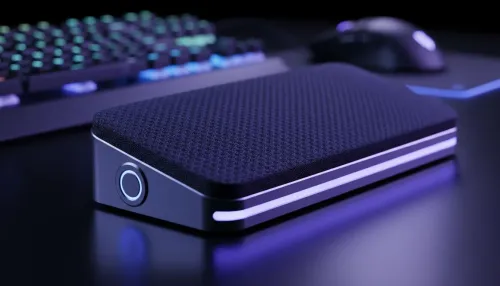
- Explain benefits; - Show the science; - Compare options; - Recommend picks. Magnetic wrist rest for gaming cuts wrist strain and boosts comfort during long sessions 🕹️✨
Read more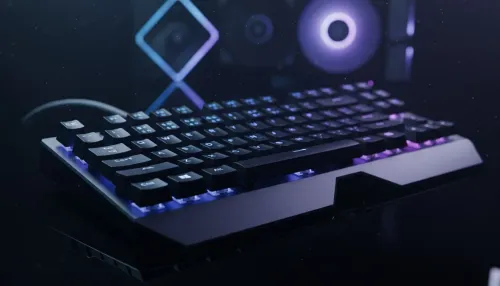
best gaming keyboard South Africa: Learn how to pick a low-latency mechanical keyboard, choose switches, layout and budget for competitive play 🎮⚡
Read more
Best wireless keyboard and mouse combo for small desks — curated, space-saving picks that boost comfort and productivity in tight setups. Find low-profile layouts, compact mice, and reliable range to fit your compact workstation. 🖱️⌨️
Read more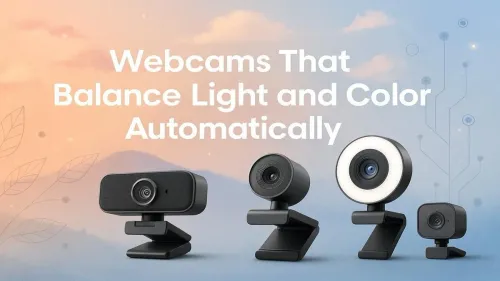
Discover webcams that automatically adjust light and color for crystal-clear video calls 🎥✨. Boost your streaming quality today!
Read more
Discover webcams that blend into your workflow 🎯 Capture moments while you work, stream, or create. Upgrade your setup with smart, multitasking tech!
Read more Dedicated media keys give streamers one-touch control to mute, switch scenes, clip highlights, and adjust audio — cutting task time and boosting consistency 🎛️⚡
Read more PBT vs ABS keycaps: Clear, local guide for South African gamers—compare feel, sound, durability and where to buy. Find the best material for your budget and playstyle 🎮🇿🇦
Read more - Multi-Function Digital Dial: define benefits - Show gamer setups and macros - Offer buying and setup tips Multi-Function Digital Dial puts programmable control at your fingertips for faster actions and smoother streaming. 🎮⚙️
Read more - Explain benefits; - Show the science; - Compare options; - Recommend picks. Magnetic wrist rest for gaming cuts wrist strain and boosts comfort during long sessions 🕹️✨
Read more