

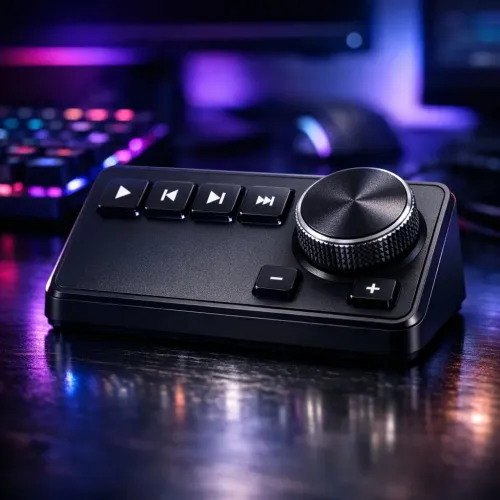
Dedicated Media Keys for Streamers: Improve Workflow Fast
Dedicated media keys give streamers one-touch control to mute, switch scenes, clip highlights, and adjust audio — cutting task time and boosting consistency 🎛️⚡
Read moreCurious about the ultrawide monitor portrait mode trend? We put a 34-inch display on its side to test if this vertical setup is a productivity hack or just a gimmick. Discover our surprising findings for coding, streaming, and daily tasks! 💻 Is it time to flip your screen? 🤔
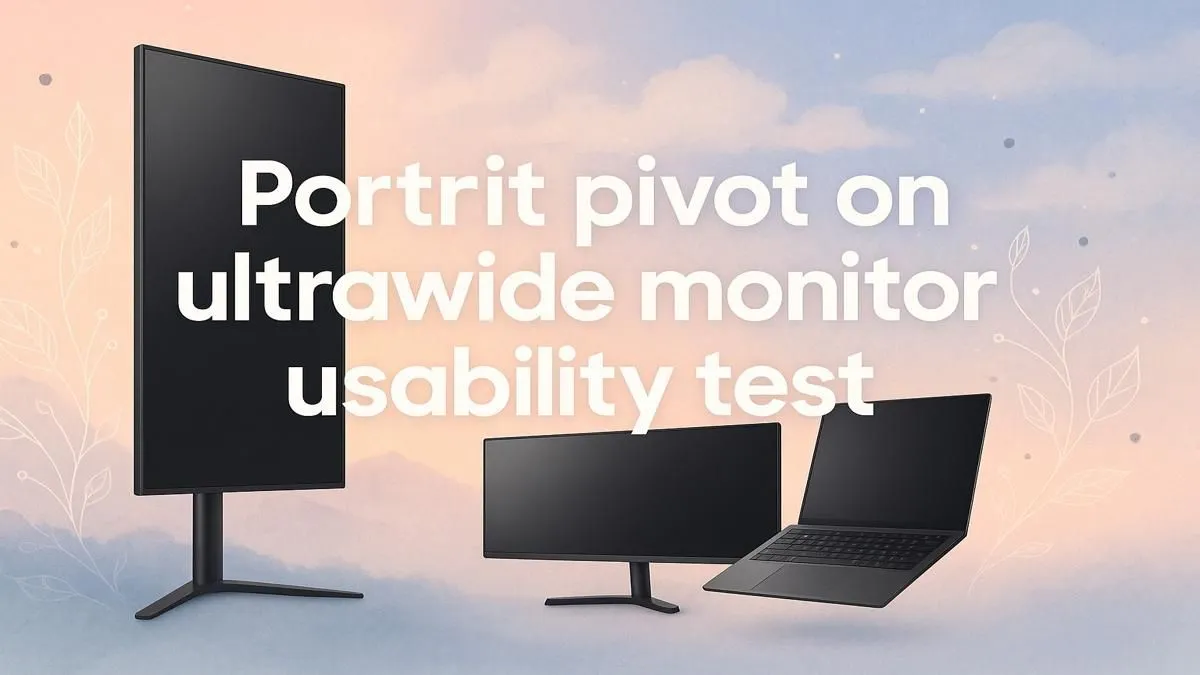
We’ve all seen those wild vertical monitor setups online, haven’t we? They promise an endless scroll for coding, reading, or keeping an eye on a busy Discord chat. But what happens when you take that idea to the extreme? What about flipping a massive 21:9 screen on its side? An ultrawide monitor in portrait mode sounds like a productivity dream… or is it a neck-straining nightmare? Let's find out if it's a practical setup for South African gamers and creators.
The appeal of a vertical monitor is undeniable. For certain tasks, scrolling horizontally just feels wrong. Coders, writers, and streamers love portrait displays because they can see more of their work in a single glance, reducing the constant need to scroll up and down. It's a simple, effective way to boost workflow efficiency.
Typically, this is achieved by pairing a main landscape monitor with one or two standard PC monitors flipped vertically. This setup offers the best of both worlds. But the question remains: can an ultrawide do that job better?
Turning your ultrawide monitor vertical is where theory collides with some harsh physical realities. Before you start rearranging your desk, consider these critical points.
The first thing you'll notice about a portrait ultrawide monitor is its immense height. A standard 34-inch ultrawide, for example, stands nearly 80cm tall when rotated. To see the top of the screen, you’ll be craning your neck back, and to see the bottom, you’ll be looking down at your desk. Ergonomically, it's a disaster waiting to happen. Your neck muscles will not thank you.
Forget about using the stand that came in the box. Most stands included with ultrawides are not designed for portrait rotation due to balance and stability issues. You'll absolutely need a high-quality, third-party VESA mount or arm that can handle both the weight and the awkward dimensions. Investing in the right monitor accessories is non-negotiable for an experiment like this.
If you own one of the many popular curved monitors, you can stop right here. A vertical curve makes zero sense. The horizontal curve is engineered to wrap around your field of view for immersion. When you flip it 90 degrees, the curve bends away from you at the top and bottom, distorting images and text in a truly bizarre way.
Despite the many drawbacks, are there any niche scenarios where this setup makes sense? Perhaps. For digital signage, a retail display, or a specific data-streaming dashboard, a vertical ultrawide monitor could offer a unique visual format.
For daily desktop use, however, it’s incredibly impractical. You're better off optimising your horizontal space.
"Instead of flipping your whole monitor, use software to create vertical zones. On Windows, Microsoft's PowerToys includes a tool called FancyZones. It lets you create custom screen layouts, so you can snap your browser, code editor, and chat app into perfect vertical columns on your horizontal ultrawide. You get the 'portrait mode' workflow without the neck pain."
For the vast majority of users, especially those using gaming monitors, the benefits of the 21:9 aspect ratio are best enjoyed the way it was intended: horizontally.
If you’re serious about adding vertical screen space to your setup, there are far more practical and ergonomic ways to do it.
So, is using an ultrawide monitor in portrait mode actually usable? For 99% of people, the answer is a firm no. It’s an ergonomic nightmare that creates more problems than it solves. The sheer height makes it uncomfortable for daily use, and the logistical challenges with mounting and curved screens make it a non-starter for most.
It's a cool thought experiment, but in practice, you're far better off sticking to traditional multi-monitor solutions. Why not put your budget towards a setup that truly works? It's a great time to check out the best monitor deals and find a screen that genuinely enhances your productivity and gaming.
text="Ready to Find Your Perfect View? A vertical ultrawide might be a wild experiment, but finding the right monitor for your needs shouldn't be. From immersive gaming to pixel-perfect productivity, the perfect screen is waiting. Explore our massive range of PC monitors and upgrade your setup today."
Yes, many programmers find a vertical ultrawide monitor excellent for coding. This setup allows you to see long blocks of code without constant scrolling, improving workflow.
While technically possible, using a curved ultrawide monitor in portrait mode is often not ideal. The horizontal curve becomes vertical, which can distort the image and feel unnatural.
The main benefits are increased vertical screen space for tasks like coding, reading long documents, or managing social media feeds and streaming chats without constant scrolling.
To pivot an ultrawide, you need a compatible monitor stand or VESA arm that supports 90-degree rotation. Ensure the monitor is raised high enough to clear the desk before turning.
It depends on your workflow. A vertical ultrawide offers a seamless view for long-form content, while two monitors provide better separation for multitasking different applications.
A vertical ultrawide monitor for streaming chat is a popular use case. It allows streamers to see a long, continuous feed of viewer messages without needing to scroll frequently.
Dedicated media keys give streamers one-touch control to mute, switch scenes, clip highlights, and adjust audio — cutting task time and boosting consistency 🎛️⚡
Read more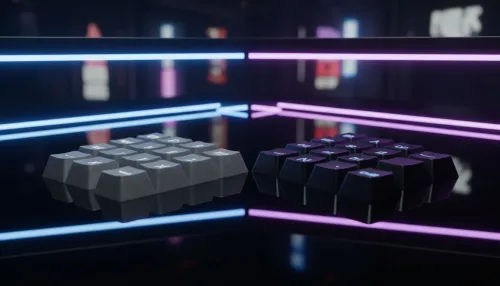
PBT vs ABS keycaps: Clear, local guide for South African gamers—compare feel, sound, durability and where to buy. Find the best material for your budget and playstyle 🎮🇿🇦
Read more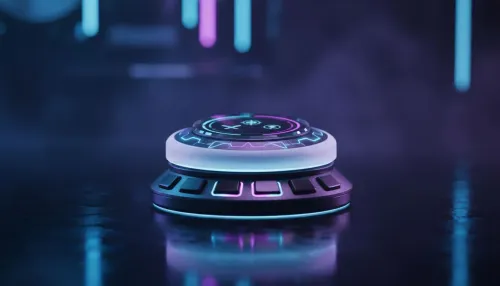
- Multi-Function Digital Dial: define benefits - Show gamer setups and macros - Offer buying and setup tips Multi-Function Digital Dial puts programmable control at your fingertips for faster actions and smoother streaming. 🎮⚙️
Read more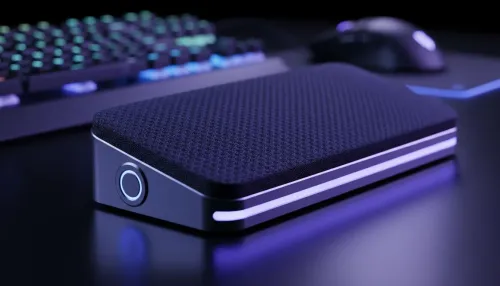
- Explain benefits; - Show the science; - Compare options; - Recommend picks. Magnetic wrist rest for gaming cuts wrist strain and boosts comfort during long sessions 🕹️✨
Read more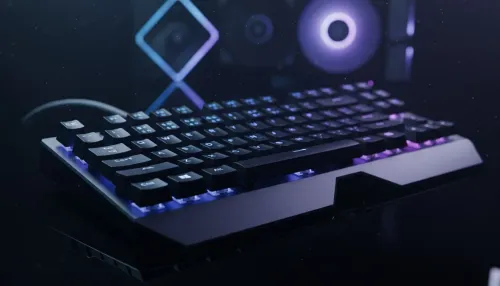
best gaming keyboard South Africa: Learn how to pick a low-latency mechanical keyboard, choose switches, layout and budget for competitive play 🎮⚡
Read more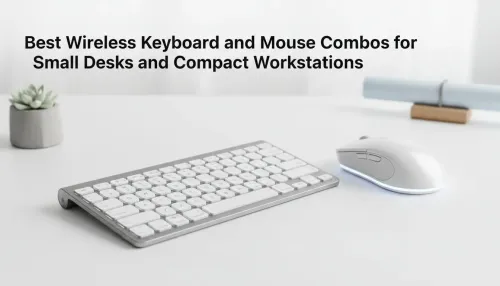
Best wireless keyboard and mouse combo for small desks — curated, space-saving picks that boost comfort and productivity in tight setups. Find low-profile layouts, compact mice, and reliable range to fit your compact workstation. 🖱️⌨️
Read more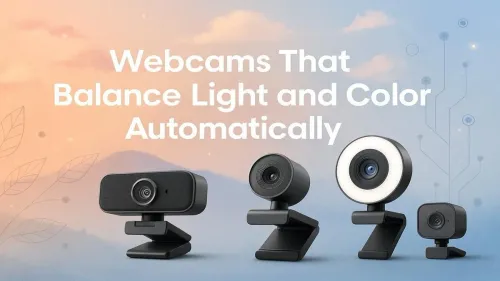
Discover webcams that automatically adjust light and color for crystal-clear video calls 🎥✨. Boost your streaming quality today!
Read more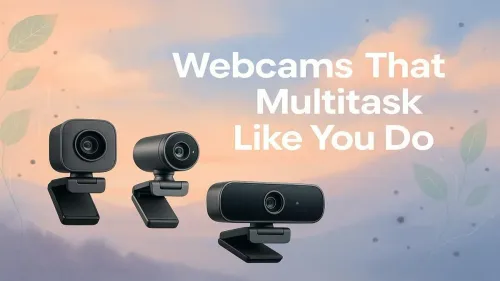
Discover webcams that blend into your workflow 🎯 Capture moments while you work, stream, or create. Upgrade your setup with smart, multitasking tech!
Read more Dedicated media keys give streamers one-touch control to mute, switch scenes, clip highlights, and adjust audio — cutting task time and boosting consistency 🎛️⚡
Read more PBT vs ABS keycaps: Clear, local guide for South African gamers—compare feel, sound, durability and where to buy. Find the best material for your budget and playstyle 🎮🇿🇦
Read more - Multi-Function Digital Dial: define benefits - Show gamer setups and macros - Offer buying and setup tips Multi-Function Digital Dial puts programmable control at your fingertips for faster actions and smoother streaming. 🎮⚙️
Read more - Explain benefits; - Show the science; - Compare options; - Recommend picks. Magnetic wrist rest for gaming cuts wrist strain and boosts comfort during long sessions 🕹️✨
Read more