Planning a new PC build in South Africa feels like a high-stakes game. You save up, pick your parts, and just as you're about to checkout… whispers of a new platform emerge. While many eyes are on the upcoming LGA 1851 socket, the true long-term upgrade path may lie further ahead with the rumoured Intel LGA 1954 socket. But with a 2026 timeline, is it tech prophecy or just a distraction? Let's decode what it means for your next build.
What is the Intel LGA 1954 Socket?
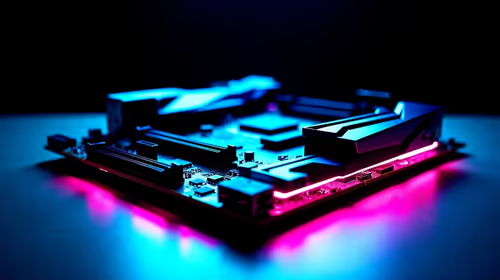
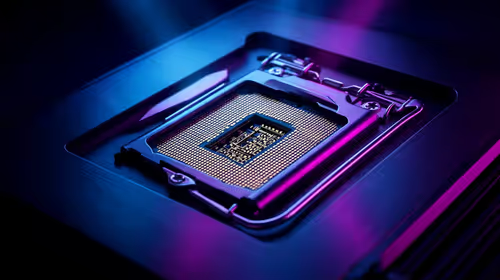
In simple terms, a CPU socket is the physical connector on a motherboard that houses the processor. It's the foundation of your PC. The Intel LGA 1954 socket is the rumoured successor to the LGA 1851 platform, which itself is set to replace the long-serving LGA 1700. 🔧
Think of it as the next major architectural leap. While LGA 1851 is designed for Intel's Arrow Lake and Panther Lake CPUs, LGA 1954 is expected to be the home for the generation after that, potentially code-named Nova Lake. This new platform isn't just a minor update; it represents a significant redesign to support future technologies and more powerful processors, setting the stage for computing in the latter half of the decade. For now, you can still build an incredibly potent machine with one of today's top Intel processors.
Key Features Rumoured for the New Platform
A bigger socket with more pins isn't just for show. The jump to 1954 pins suggests Intel is planning for some serious upgrades. While nothing is confirmed, industry insiders speculate that the Intel LGA 1954 socket could introduce:
- Next-Generation I/O: Potential native support for PCIe 6.0, offering double the bandwidth of PCIe 5.0. This is massive for future-gen graphics cards and ultra-fast storage.
- Enhanced Power Delivery: More pins allow for a more robust and stable power delivery network, crucial for feeding next-generation CPUs that may have higher core counts or new architectures.
- More Direct Lanes: We could see more direct CPU-to-storage lanes, reducing bottlenecks and further improving NVMe SSD performance.
This leap in platform capability is necessary to keep pace with and push beyond what AMD's current processor lineup offers on their AM5 platform.
Future-Proofing vs. Smart Buying 🧠
Don't get caught in the "waiting game." The best time to upgrade is when your current PC no longer meets your needs. A brand new, mid-range PC today will almost always outperform a 5-year-old high-end machine. Analyse your bottlenecks—is it your CPU, GPU, or RAM holding you back? Upgrade what you need, when you need it.
Should You Wait for Intel LGA 1954?
This is the big question for anyone planning a build. The short answer? Probably not. A 2026 launch window is a lifetime in the tech world. Delaying a necessary upgrade for over two years means missing out on the incredible performance available right now. 🚀
If your current PC is struggling with the latest games or your workflow, waiting is not a practical strategy. The performance uplift you'd get from moving to a modern platform today is immense. For example, a current powerful 14-core Intel CPU can handle intense gaming, streaming, and content creation simultaneously���a task that was pure fantasy just a few years ago.
The Intel LGA 1954 socket is something for hardcore enthusiasts and future-gazers to watch. For everyone else, the smart move is to build a system that conquers your tasks today. After all, the performance from a top-tier chip like an AMD Ryzen 7 or Intel Core i7 is already more than enough to deliver a premium experience for years to come. ✨
Ready to Build Your Ultimate Rig? The future is exciting, but today's performance is real. Waiting for the next big thing can be a trap. Whether you're on Team Blue or Team Red, the power you need is available right now. Explore our massive range of CPUs and find the perfect core for your build today.