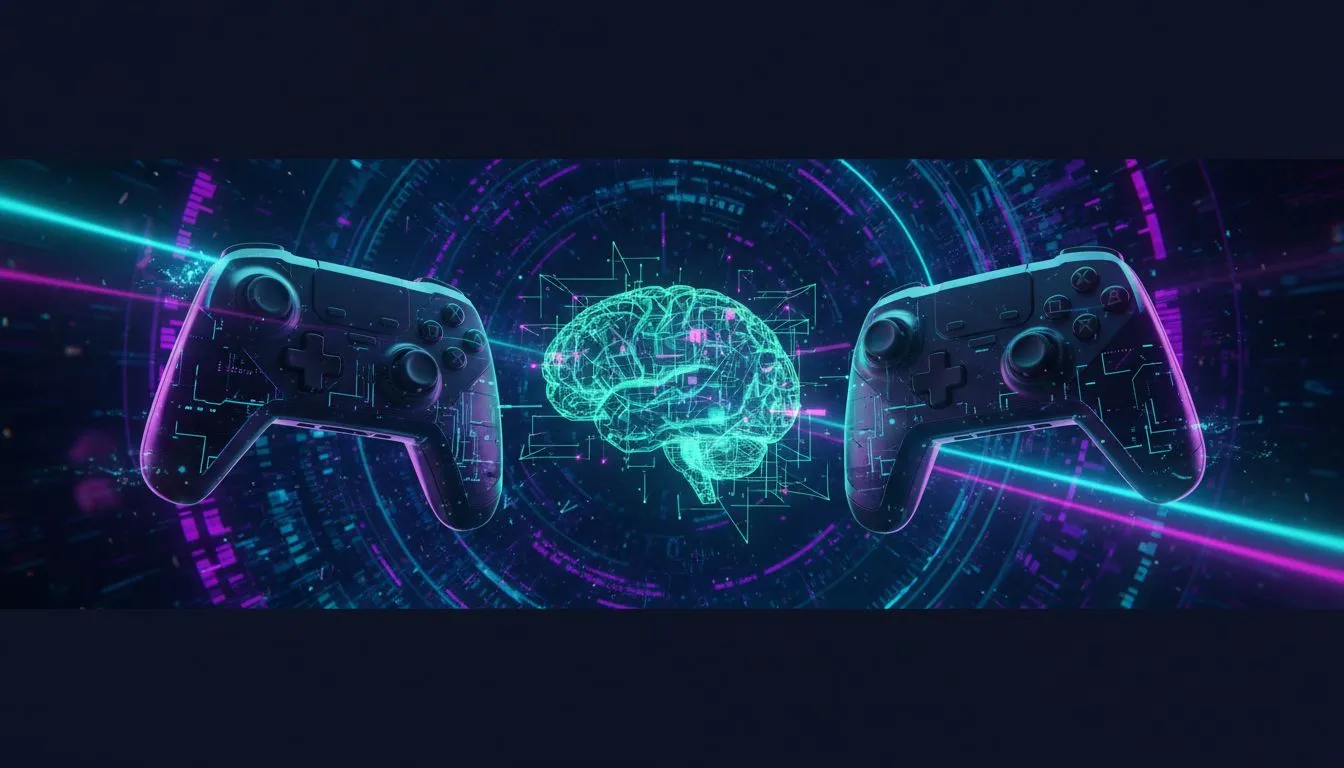
In the high-stakes world of South African esports, victory and defeat are measured in milliseconds. You've optimised your rig, dialled in your monitor's refresh rate, but what if your controller is secretly holding you back? A new wave of hardware is hitting the scene, and it's all about one number: 8000. The era of 8K controllers for PC esports is here, and it’s the competitive edge that top-tier pros are quietly adopting. 🚀
So, What is an 8K Polling Rate Controller?
Before we dive into why this matters for your K/D ratio, let's break down the tech. "Polling rate," measured in Hertz (Hz), is how many times your controller reports its status—like stick movements or button presses—to your PC every second.
For years, the standard for gaming controllers was 125Hz, or 125 reports per second. High-performance models pushed this to 1000Hz (1kHz), delivering a report every 1 millisecond (ms). An 8K controller blows that away, reporting a staggering 8,000 times per second.
This drops the input delay to just 0.125ms. It's a leap in responsiveness that makes a 1000Hz controller feel sluggish in comparison. While you might not consciously notice a single 0.875ms improvement, your brain and muscle memory absolutely will over thousands of micro-adjustments in a match. This evolution is pushing the boundaries for all modern gaming controllers for PC.
The Tangible Benefits of 8K Controllers for PC Esports
Why are pros making the switch? It's not just about marketing hype; the advantages are real, especially when paired with a high-refresh-rate monitor. The core benefits of using an 8K controller for PC esports boil down to two key areas: latency and precision.
⚡ Near-Zero Input Latency
In fast-paced shooters like Apex Legends or Call of Duty, the time between you reacting and your character acting is everything. An 8K polling rate drastically reduces that "click-to-screen" delay. This means your aim adjustments, slides, and ability activations happen almost instantaneously. It's the closest you can get to a true 1:1 connection with the game, giving you a critical advantage in those split-second gunfights.
✨ Silky-Smooth Precision and Tracking
Have you ever tracked an opponent across your screen and felt your crosshair make tiny, almost imperceptible "jumps"? That's often caused by a lower polling rate. With 8,000 data points per second, an 8K controller provides a much smoother stream of information to the game engine. The result is exceptionally fluid cursor movement and tracking. For players who rely on precise aim, this technology helps eliminate inconsistency, making it easier to stay locked onto your target. A prime example of this tech in action is the Razer Wolverine V3 Tournament Edition, which combines this polling rate with pro-grade components.
Optimise Your Rig for 8K 🔧
An 8K polling rate controller uses more CPU resources than a standard 1000Hz device. To ensure you get the full benefit without performance drops, make sure you're running a modern multi-core processor (like an Intel Core i5 or AMD Ryzen 5 from the last few generations) and close unnecessary background applications before you jump into a competitive match.
Is an 8K Controller the Right Upgrade for You?
If you're a casual gamer playing story-driven titles, an 8K controller might be overkill. But if you're serious about competitive PC gaming, it's a genuine performance upgrade. The difference is most noticeable for players who:
- Play on a 144Hz, 240Hz, or higher refresh rate monitor.
- Compete in fast-paced FPS, fighting, or racing games.
- Are looking to eliminate every possible hardware bottleneck in their setup.
Brands like Razer are at the forefront of this movement, integrating 8K polling rates into their latest gear. Exploring Razer's lineup of controllers shows a clear focus on pushing the limits of competitive hardware.
Ultimately, switching to an 8K controller is about future-proofing your gear and gaining the ultimate competitive edge. As games and monitors get faster, your peripherals need to keep up. For the dedicated esports athlete in South Africa, this isn't just a new feature… it's the new standard.