Why Latency Matters More Than FPS in Valorant
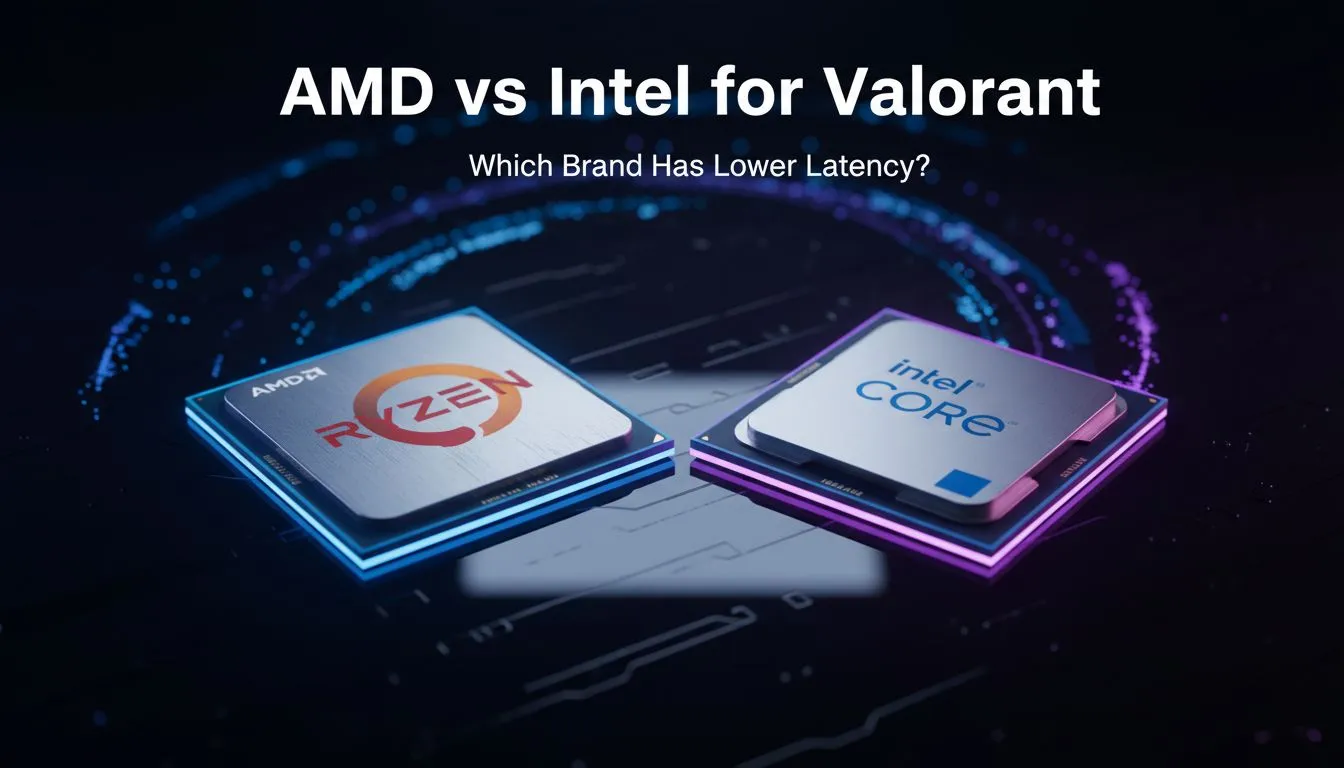
In the high-stakes world of Valorant, a millisecond is the difference between an Ace and a spectator screen. South African players already battle high ping... so your hardware shouldn't add to the lag. When choosing your next build, the AMD vs Intel Valorant latency debate is crucial. Does Team Red’s cache beat Team Blue’s raw clock speeds? Let's dive into which brand truly offers the lower lag for your climb to Radiant ⚡.
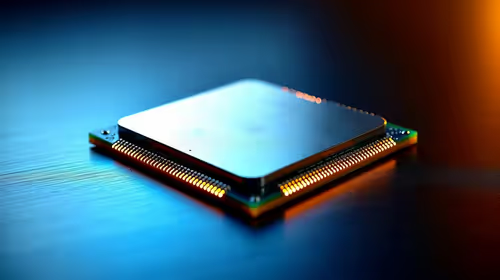
While many gamers chase high average frames per second, the real winner is frame consistency. Low latency ensures your mouse clicks register instantly. To get the best results, you need to choose from the latest CPU processors that handle rapid data instructions without stuttering. In a tactical shooter like Valorant, 1% lows are far more important than a high average FPS count.
Intel: The King of Consistent Frametimes
Intel has long been a favourite for esports titles because of its high single-core clock speeds. When you buy an Intel CPU, you are investing in a platform designed for snappy response times. Recent benchmarks show that Intel chips often provide incredibly stable frametimes... which feels much smoother during a chaotic site execute.
The architecture of modern Intel chips allows for very low "ring bus" latency. This means the different parts of the processor talk to each other very quickly. In Valorant, this results in a crisp feeling when flicking your crosshair. If you want a system that feels predictable and sharp, Intel remains a top-tier contender for the South African competitive scene.
Latency Pro Tip ⚡
Always enable Nvidia Reflex or AMD Anti-Lag in your Valorant settings. This feature reduces system latency by synchronising the CPU and GPU. It ensures the processor doesn't start work on the next frame until the graphics card is ready... effectively cutting down your input lag by several milliseconds without costing a cent in ZAR.
AMD: The Power of 3D V-Cache
AMD changed the game with their X3D series of processors. By stacking L3 cache vertically, they have created a monster for CPU-bound games like Valorant. When you buy an AMD CPU with 3D V-Cache, you are giving the game engine instant access to more data. This significantly reduces the time the processor waits for information.
In many tests, the AMD vs Intel Valorant latency comparison shows AMD pulling ahead in raw frame output. The massive cache helps maintain high FPS even when multiple abilities like Vipers pit or Brims ult are active. This prevents those annoying micro-stutters that can ruin your aim. For South African gamers looking for the highest possible ceiling for their high-refresh-rate monitors, Team Red is a formidable choice 🚀.
Making the Final Choice for Your Setup
Ultimately, both brands offer incredible performance for Valorant in 2024. Intel provides a very polished and consistent experience with high frequency... while AMD offers raw power through innovative cache technology. Your choice might depend on your budget or your existing motherboard. If you are building a new rig for competitive play, focus on the 1% lows rather than just the maximum FPS.
Ready to Eliminate the Lag? The AMD vs Intel debate is fierce, but the best processor is the one that fits your budget and performance goals. Explore our massive range of CPU specials and find the perfect hardware to dominate your next Valorant rank game.