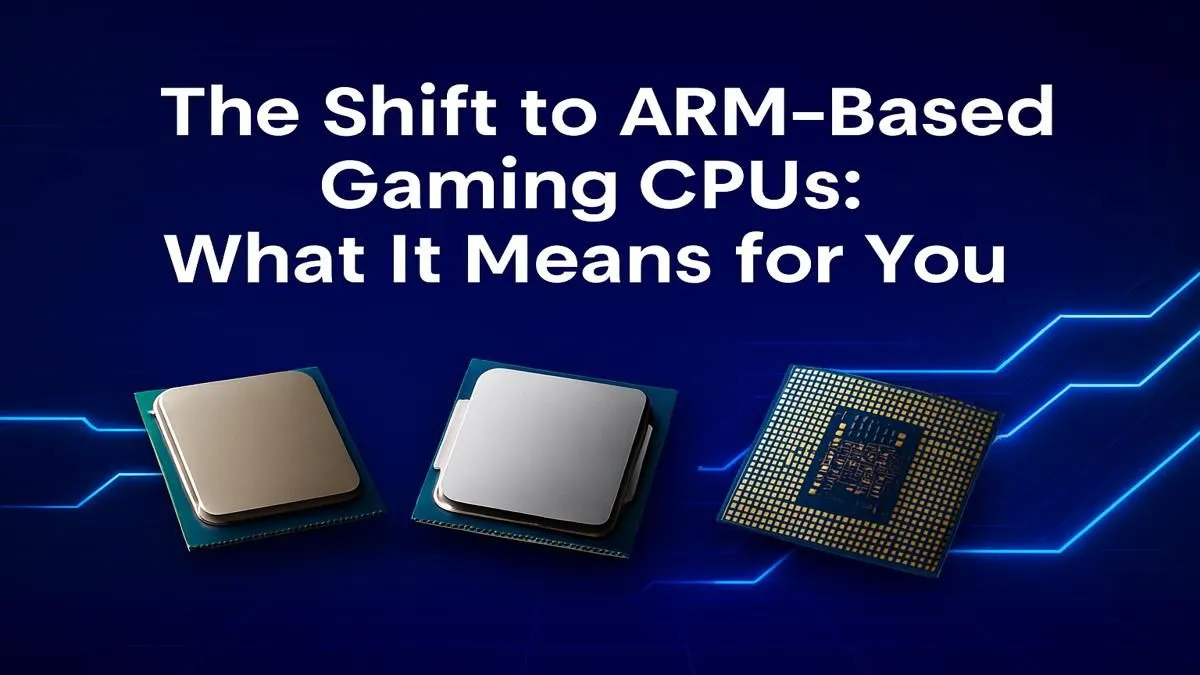
For years, the PC gaming throne in South Africa has been a two-horse race: Intel vs. AMD. But what if the next big leap in performance isn’t from them? A new challenger, born from the world of smartphones, is knocking on the door. We're talking about ARM-based gaming CPUs, and they could seriously shake up how we build our rigs. Let's dive into what this means for your future gaming setup.
What Are ARM CPUs, and Why Should Gamers Care?
You've probably used an ARM processor today without even realising it. Standing for Advanced RISC Machines, this architecture powers nearly every smartphone and tablet on the planet. Unlike the traditional x86 chips from Intel and AMD, ARM CPUs are built on a simpler instruction set (RISC vs. CISC). The main benefit? Incredible efficiency. ⚡
This means they can deliver impressive performance while using significantly less power and generating less heat. For gamers, that translates to the potential for smaller, quieter, and cooler-running PCs… a massive plus during a Mzansi summer heatwave. Apple’s M-series chips in their latest MacBooks are a powerful real-world example of what ARM can do.
The Promise of ARM-Based Gaming CPUs for Performance
The biggest buzzword around ARM-based gaming CPUs is "performance-per-watt." This is the magic metric that measures how much processing power you get for every unit of electricity you use. With electricity costs in SA always on our minds, a rig that delivers high frame rates without cranking up the power bill is a seriously appealing idea.
This efficiency also opens doors for new PC form factors. Imagine a high-end gaming laptop that doesn't sound like a jet engine and has a battery that actually lasts. Or a compact, console-sized desktop PC with the power to run AAA titles at high settings. While we wait for ARM to mature for gaming, you can find the best performance-per-watt from today's top CPU processors online right now.
The Challenges Facing ARM in PC Gaming
So, why aren't we all gaming on ARM already? The biggest hurdle is software. For decades, the entire PC gaming ecosystem has been built for the x86 architecture. The vast majority of games are coded specifically for the powerful cores inside AMD CPUs, which means developers heavily optimise for that platform.
To run on an ARM-based machine, games would either need to be re-written by developers or run through an emulation layer. Emulation can work, but it often comes with a performance penalty. For now, the raw, native power and guaranteed compatibility for your Steam library still lie with the established architecture found in the latest Intel CPUs and their direct competitors.
Cooling Tip for SA Gamers ❄️
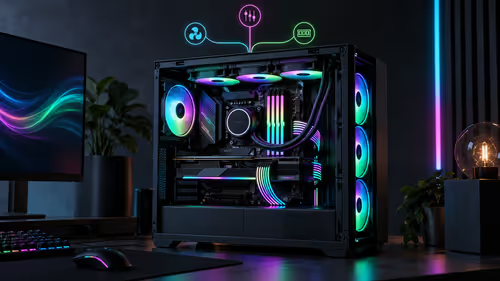
In our hot climate, even the most efficient CPU needs good cooling. Ensure your PC case has solid airflow—at least two intake fans at the front and one exhaust fan at the back. Regularly cleaning dust filters can drop your CPU temps by several degrees, preventing thermal throttling and keeping your performance consistent during those long sessions.
So, Is an ARM-Based Gaming CPU in Your Future?
Absolutely. It’s not a question of if but when. Companies like Qualcomm are already making serious moves into the Windows laptop space with their new Snapdragon chips, and the performance looks promising. For now, an ARM-based gaming CPU is something to watch with excitement rather than something to buy tomorrow. 🚀
The transition will be gradual, but the potential for more efficient, powerful, and innovative PCs is undeniable. As game developers and Microsoft continue to invest in the ARM ecosystem, the line between mobile and desktop power will only get blurrier. It’s an exciting time to be a PC builder.
Ready to Power Up Your Rig Today? The future with ARM-based gaming CPUs is exciting, but today's AAA titles demand the proven power of x86. Whether you're Team Red or Team Blue, upgrading your processor is the single biggest performance leap you can make. Explore our massive range of CPU specials and find the perfect core for your build.