Finding the Sweet Spot Between DLSS Quality vs Native
Every South African gamer knows the struggle of balancing frame rates with visual clarity. When you are sneaking through a high-stakes mission in a title like 007, every pixel counts. The debate often centres on DLSS quality vs native resolution. Can you really maintain that lethal sharpness while boosting your performance, or are you better off sticking to traditional raw pixels? Let’s dive into the details. ⚡
Why Raw Resolution Isn't Always King
For years, native resolution was the gold standard. Running a game at the exact pixel count of your monitor ensured the cleanest image. However, as modern games become more demanding, hitting a stable 60 FPS at 4K is a massive task. This is where Deep Learning Super Sampling (DLSS) enters the frame. By using AI to upscale images, you can achieve performance that feels like a total upgrade without the heavy tax on your hardware.
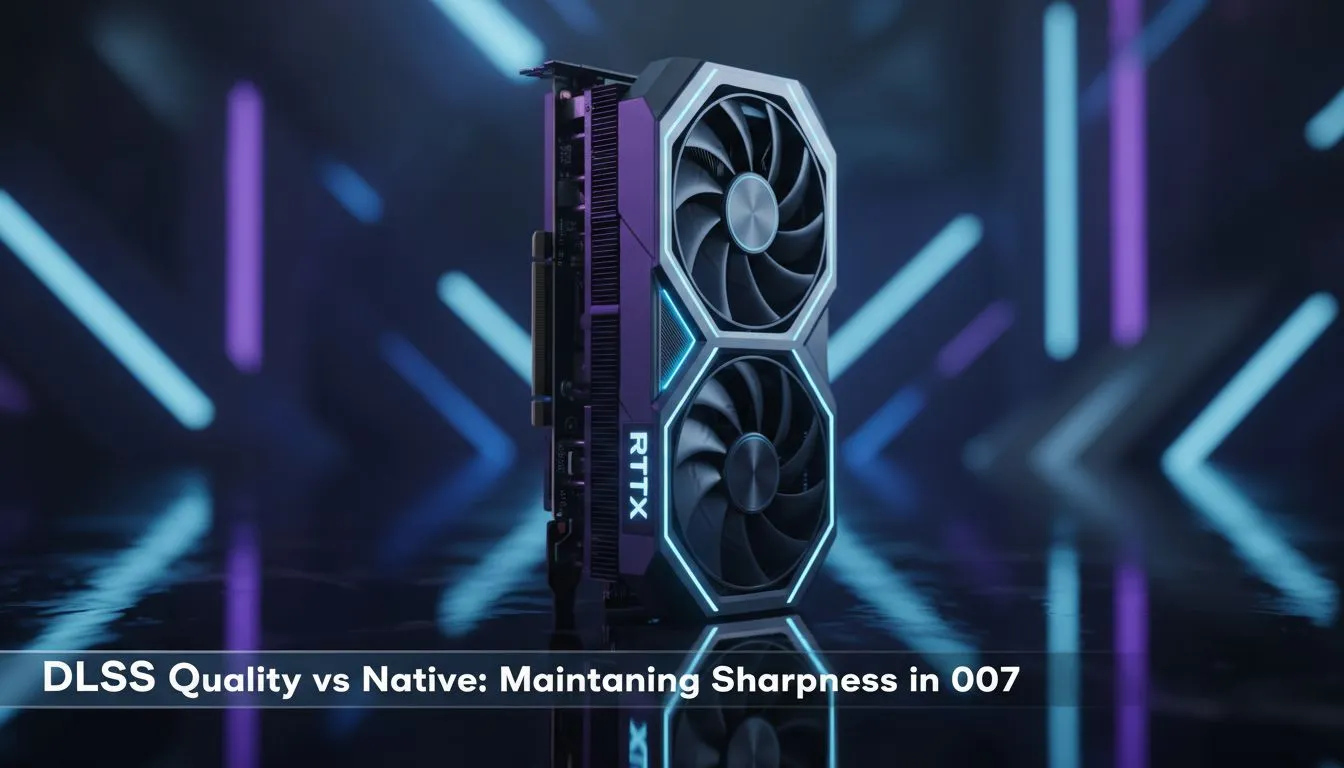
If you are looking to upgrade your rig to handle these modern features, checking out the latest NVIDIA/ATI graphics cards is the best place to start. In many tests, the "Quality" preset of DLSS is almost indistinguishable from native... sometimes even looking better due to superior anti-aliasing techniques.
The Hardware Behind the Cinematic Experience
To truly appreciate the difference in the DLSS quality vs native comparison, you need the right silicon. While NVIDIA leads the AI upscaling pack, they aren't the only players in town. For those who prefer the red team, AMD Radeon graphics cards offer FSR, which provides a similar performance boost across a wider range of hardware. 🚀
If you are a fan of specific builds, MSI graphics cards are renowned in South Africa for their incredible cooling solutions. Keeping your GPU cool is vital when you are pushing high resolutions in intense action sequences. Even the newer Intel Arc graphics cards are beginning to make waves with their own XeSS upscaling technology, proving that native resolution isn't the only way to play anymore.
Sharpness Pro Tip ⚡
When using DLSS in Quality mode, check your game's internal 'Sharpness' slider. Setting this between 10% and 30% can often recover any minor detail lost during the upscaling process, making the image look even crisper than native 4K in some instances.
Professional Clarity and Stability
It isn't just gamers who care about these settings. Professionals who dabble in game development or high-end rendering often look toward workstation graphics cards to ensure their environments look perfect before export. Whether you are playing a secret agent or designing the world he inhabits, understanding the trade-offs of DLSS is essential.
In South Africa, where a high-end GPU can cost anywhere from R8,000 to over R30,000, getting the most value out of your purchase is key. Choosing DLSS Quality allows you to extend the life of your card, giving you that premium 4K feel on hardware that might otherwise struggle. 🔧
Ready to Find Your Perfect Match? The DLSS quality vs native debate shows that smart tech can beat raw power. For the best performance, choice, and value in South Africa, Evetech has you covered. Explore our massive range of GPU specials and find the perfect card to conquer your next mission.