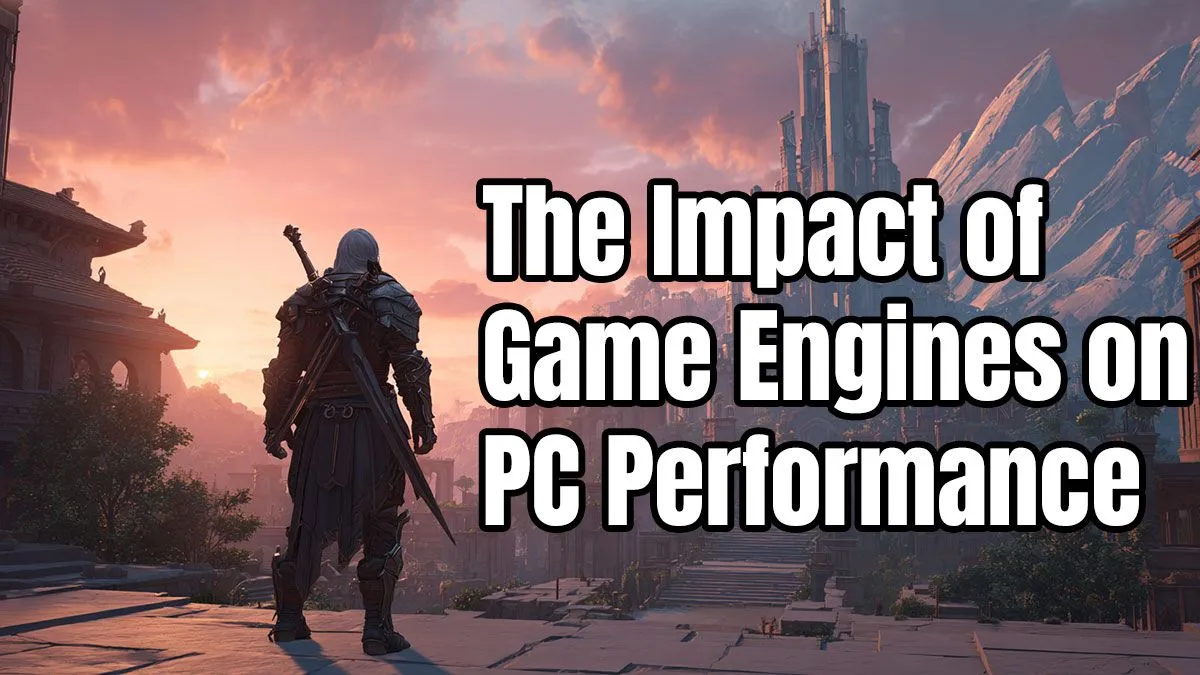
Ever wondered why Baldur's Gate 3 runs smoothly on your rig, but a visually simpler game stutters and lags? The answer often lies hidden in the code… with the game engine. This invisible framework dictates everything from lighting to physics, and understanding game engine performance is the key to unlocking consistent frame rates. It's the secret language between your games and your hardware, and learning it will change how you view your PC's capabilities.
Understanding the Engine's Role in PC Gaming
Think of a game engine as the digital foundation and toolbox for a game. Developers use it to build worlds, create characters, and define the rules of play. Major engines like Unreal Engine and Unity provide the core technology, including rendering graphics, handling physics, playing audio, and managing AI.
How efficiently an engine does this directly impacts your gaming experience. A well-optimised engine can deliver breathtaking visuals on modest hardware, while a poorly optimised one can bring even the most powerful PCs to their knees. This is why how engines affect PC gaming is a crucial topic for any serious gamer in South Africa.
Popular Engines and Their Performance Footprint
Different engines have different strengths, weaknesses, and hardware appetites.
- Unreal Engine: The powerhouse behind titles like Fortnite and The Matrix Awakens. Known for cutting-edge graphics and photorealism, especially with UE5's Nanite and Lumen technology. This visual fidelity demands serious GPU power, making it a perfect match for powerful rigs over R20k that can truly let its features shine. 🚀
- Unity: Incredibly versatile and scalable, Unity is the engine of choice for countless indie hits like Hollow Knight and blockbuster mobile games. Its flexibility means game engine performance can vary wildly, but it's generally less demanding than Unreal, running beautifully on a wide range of hardware, including many of the great PCs under R20k.
- Proprietary Engines (Frostbite, RE Engine, etc.): Some studios build their own engines for specific needs. EA's Frostbite (Battlefield series) excels at large-scale destruction, while Capcom's RE Engine (Resident Evil series) is famous for its incredible character detail and performance optimisation. These custom-built solutions show how tailored engineering can maximise a game's potential.
Check The Engine! 🔧
Curious what engine your favourite game uses? A quick search on PCGamingWiki is the easiest way. It's a fantastic resource that often lists the engine, providing instant insight into why a game might perform a certain way on your system.
Optimisation: The Developer's Crucial Job
It's not just about the engine's brand name; it's about how developers use it. A skilled team can optimise a demanding engine to run on older hardware, while an inexperienced team might release a stuttering mess. This is why you can't judge a game's performance purely by its engine.
Good optimisation is about balance. Developers make smart choices about texture quality, shadow rendering, and asset loading to ensure a smooth experience for the widest possible audience. This is fantastic news because it means you don't always need a top-tier machine. Many beautifully optimised games run perfectly on budget gaming PCs, delivering amazing value for your money. ✨
Matching Your Rig to the Game Engines You Love
So, what does this all mean for you when buying a PC? It's simple: think about the games you play most.
If you're an esports fanatic playing titles like Valorant or CS2, which use highly optimised engines (Unreal 4 and Source 2, respectively), you can prioritise high refresh rates over raw graphical power. A balanced machine from our pre-built PC deals will be more than enough to give you a competitive edge.
However, if you live for the latest AAA graphical showcases that push engines like Unreal 5 to their limits, you'll need to invest in a PC with a powerful modern GPU and CPU. Ultimately, understanding game engine performance empowers you to make a smarter purchase, ensuring your new PC is perfectly suited for your favourite virtual worlds.
Ready to Power Your Play?
Understanding how game engines affect PC gaming is the first step. The next is getting a rig that can handle them all. From indie darlings to AAA monsters, the right hardware makes all the difference. Explore the best gaming PC deals in South Africa and find the perfect machine to conquer your world.