

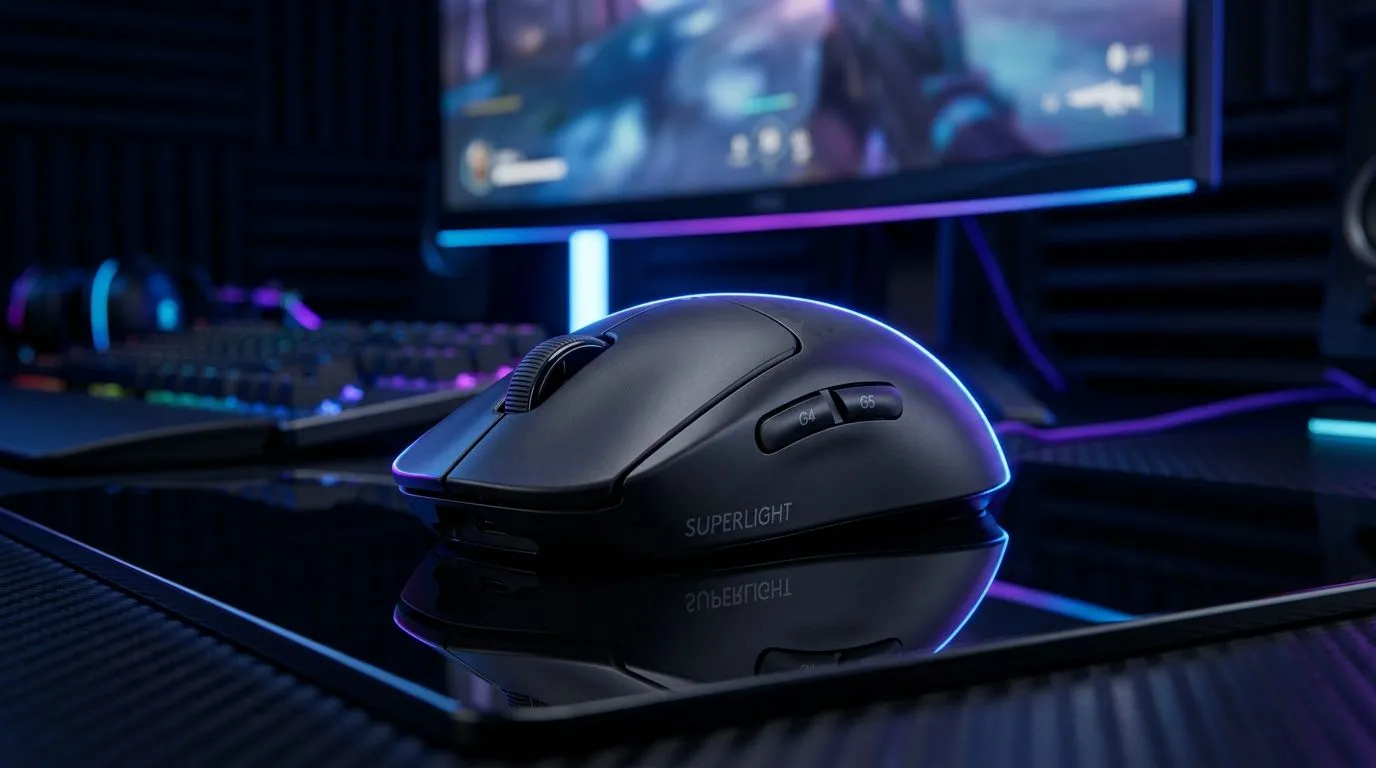
Gaming Mouse Weight Classes: A quick South African reality check
If you’ve ever yanked your wrist on a fast flick… or felt your aim drift after long ranked sessions, you’re not imagining things. Mouse weight matters more than most budget shoppers think. In South Africa, where you want value that actually performs, picking the right gaming mouse weight classes can be the difference between smooth tracking and annoying fatigue. 🎯
But how do you choose without getting lost in specs? We’ll break it down into practical weight ranges, what they mean for your playstyle, and what to buy when you’re upgrading soon. 🚀
Gaming Mouse Weight Classes: What “weight” really changes in your aim
Mouse weight affects three core things: control, speed, and fatigue.
- Lower weight (lighter mice): easier micro-corrections, faster movement start/stop, often better for high-tempo shooters.
- Higher weight (heavier mice): steadier feel for some players, can reduce wobble for certain grip styles, but may slow sudden flicks.
- Balance matters: front-heavy or rear-heavy builds can feel different even if the total weight is similar.
Evetech carries a range of wired and wireless options, including models designed for competitive use. For example, you can browse gaming-focused choices here: components designed for gaming mice.
Gaming Mouse Weight Classes: Practical ranges for real gameplay
There isn’t one universal “correct” weight, but these categories are a helpful starting point for most players. (Think of them as a shortlist, not a rulebook.)
Lightweight (roughly sub-70g)
You’ll typically notice:
- quicker stops and starts
- less wrist fatigue for some players
- more precise control during rapid target switching
Best fit if you play games where you constantly reset your aim, like arena shooters and fast movement titles.
Midweight (roughly 70–90g)
This is where a lot of people land when they want “comfort + control”:
- good flick performance without feeling twitchy
- stable tracking for longer sessions
- often easier to adapt to if you’re coming from older heavier mice
If you’re unsure, midweight is usually the safest test category.
Heavier (roughly 90g+)
Heavier mice can feel:
- smoother during slower tracking
- more grounded for some relaxed grips
- a bit slower on extreme flicks
If you’ve tried a superlight mouse and felt like you couldn’t “hold” your tracking, a heavier option might actually suit your style.
Gaming Mouse Weight Classes: Wired vs wireless and why it changes the equation
Wireless has improved a lot, but you should still consider how weight affects your hand feel.
- Wireless mouses can be slightly heavier due to battery.
- Wired mice often stay lighter because there’s no battery pack.
- The real win is matching weight class to your grip and rhythm, not just chasing “lightest possible”.
If you’re shopping today, compare wireless options here: buy wireless mouse and wired options here: buy wired mouse.
Quick deal tip for South Africa 🇿🇦
If you’re upgrading and want maximum value, check curated options before you decide. Evetech’s deal section is a solid place to start: best gaming mouse deals. Deals can change quickly, so don’t wait too long if you’re set on a specific weight class.
Gaming Mouse Weight Classes: Choose the right weight for your grip
Weight class can feel totally different depending on how you hold the mouse.
Palm grip
A palm grip usually prefers comfort and stability. Midweight often works well, but some palm players love lightweight too. Try to prioritise balance over raw weight.
Claw grip
Claw grips tend to like responsive control. If you rely on frequent micro-adjustments, lightweight or midweight can feel sharper.
Fingertip grip
Fingertip grip players often go lighter because it supports fast repositioning. If you’re starting, don’t jump straight to ultra-light. Go step by step.
Gaming Mouse Weight Classes: Micro-adjustments that make weight feel “right” 🔧
Even after choosing the correct weight class, small changes can dramatically improve performance.
- Mouse skates/pads: If your mouse glides too fast, even the perfect weight can feel uncontrollable. Consider a pad or accessory refresh.
- Grip consistency: If you change your grip every match, the weight you chose won’t feel stable.
- Surface choice: Weight + glide speed is a combo. A fast cloth pad can exaggerate “lightness”.
For accessory options that help you dial in feel, browse: mouse accessories.
Dial-in Pro Tip ✨
your first day with a new mouse, test in two quick phases: (1) 10 minutes of target tracking in Aim Training, then (2) 10 minutes of flick-heavy practice. If you feel over-shooting, increase friction by switching to a more controlled pad (or fresh skates). If you feel “stuck,” try a lower-friction surface. Keep your settings consistent so the only variable is feel.
Gaming Mouse Weight Classes: A simple decision flow (no overthinking)
Not sure where you fit? Use this quick checklist:
- Are you mostly doing fast flicks? Start with lightweight (or midweight if you’re sensitive).
- Do you play long ranked sessions and want comfort? Midweight is a strong default.
- Do you hate micro-jitter or feeling “too twitchy”? Consider midweight-to-heavier.
- Are you buying wireless? Expect the battery to influence feel. Test for balance and glide before you lock in.
And remember… you can always adjust your surface and accessory setup to “correct” how weight feels. Performance is a system.
Gaming Mouse Weight Classes: Ready when you are (and you don’t need to guess)
Once you understand weight classes, shopping gets easier. You stop buying based on hype and start buying based on how your hand actually moves in-game. That’s how you build consistent aim in South African conditions too… with the same competitive mindset at home, at LAN, or during late-night sessions.
Ready to Find Your Perfect Match? The Mac vs Windows debate is complex, but for maximum power, choice, and value in South Africa, Windows is hard to beat. Explore our massive range of laptop specials and find the perfect machine to conquer your world.











