Understanding NVIDIA Reflex ACC and System Latency
Ever felt like your steering wheel is a fraction of a second behind your eyes in Assetto Corsa Competizione? In the high-stakes world of South African sim racing, where every millisecond at Kyalami counts, input lag is the ultimate enemy. NVIDIA Reflex ACC support is a massive talking point right now. Is it just about frame times... or does it actually sharpen your Force Feedback latency too? 🏎️
System latency is the delay between clicking a button or turning a wheel and seeing that action on your screen. In a title as demanding as ACC, this delay can make the car feel "heavy" or disconnected. By integrating NVIDIA Reflex, the game engine communicates directly with the GPU. It reduces the render queue... ensuring the CPU doesn't get too far ahead. This synchronisation is vital for maintaining a responsive feel during intense GT3 battles.
Does NVIDIA Reflex ACC Improve Force Feedback?
While Reflex primarily targets the pipeline between your input and the pixels on your screen, sim racers often report a "crisper" feel in their steering wheels. This is because the physics engine in ACC often runs in lockstep with the simulation thread. When system latency is lowered, the loop between your hands, the game’s physics, and the visual feedback becomes tighter.
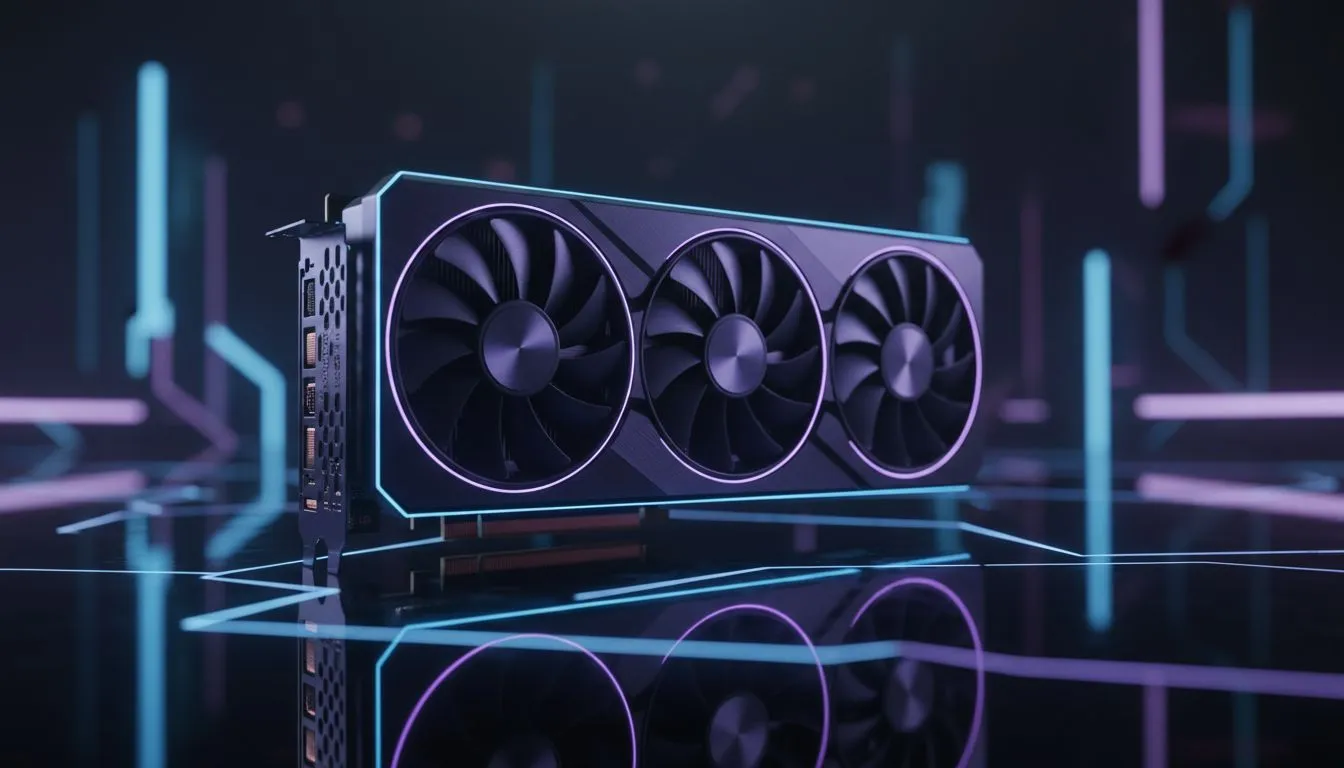
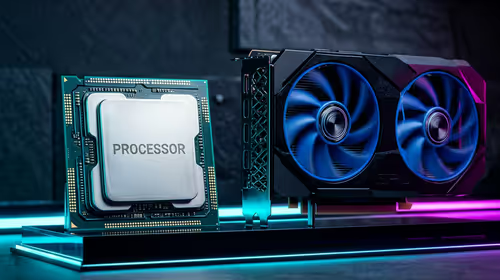
When building a dedicated sim rig, most local drivers start by browsing NVIDIA graphics cards to ensure full Reflex compatibility. If you want premium cooling for those long endurance races in the South African summer, checking out MSI NVIDIA cards is a smart move. Better cooling prevents thermal throttling... which can introduce its own form of stutter and lag. ⚡
Sim Racing Latency Pro Tip ⚡
Always plug your direct drive wheel base directly into a USB 3.0 port on the motherboard rather than a hub. This reduces the electrical path and potential interference, ensuring the NVIDIA Reflex optimisations have the cleanest possible route to your hands.
Choosing the Right Hardware for the Grid
Not every racer has a massive budget, and that is okay. While NVIDIA leads in latency reduction tech, budget-conscious racers might look at Intel Arc graphics cards for solid entry-level 1080p performance. These cards offer great value for those just starting their journey at Killarney or Zwartkops.
Engineering professionals who sim race on the side often wonder if workstation graphics cards offer the same Reflex benefits. While they are powerful for CAD, gaming-specific GPUs remain the best choice for ACC's specific optimisations. Of course, if you prefer the Red Team, you can always compare raw frames with AMD Radeon graphics cards to see which fits your budget better. 🔧
Final Verdict on Reflex in ACC
Is it worth turning on? Absolutely. If you own a supported GPU, enabling NVIDIA Reflex in the ACC settings is a no-brainer. It effectively reduces the "floaty" feeling often associated with high-resolution racing. Whether you are spending R10,000 or R40,000 on your setup, the goal is always the same... total immersion. By sharpening the link between the car's physics and your visual perception, you can catch slides faster and hit your apexes with much more confidence. ✨
Ready to Dominate the Grid?
Reducing latency is the fastest way to find extra tenths on the track. Whether you are chasing podiums at Kyalami or Bathurst, the right hardware makes the difference. Explore our massive range of GPU specials and find the perfect upgrade to sharpen your racing edge.