When you are hitting the apex at Kyalami in Assetto Corsa Competizione, every millisecond counts. You want the wet asphalt to look real, but not at the cost of your lap time. Is ray tracing in sim racing worth the FPS hit, or should you stick to raw speed? Let's dive into whether those reflections are worth the performance tax on your South African rig.
The Visual Appeal vs Performance Reality
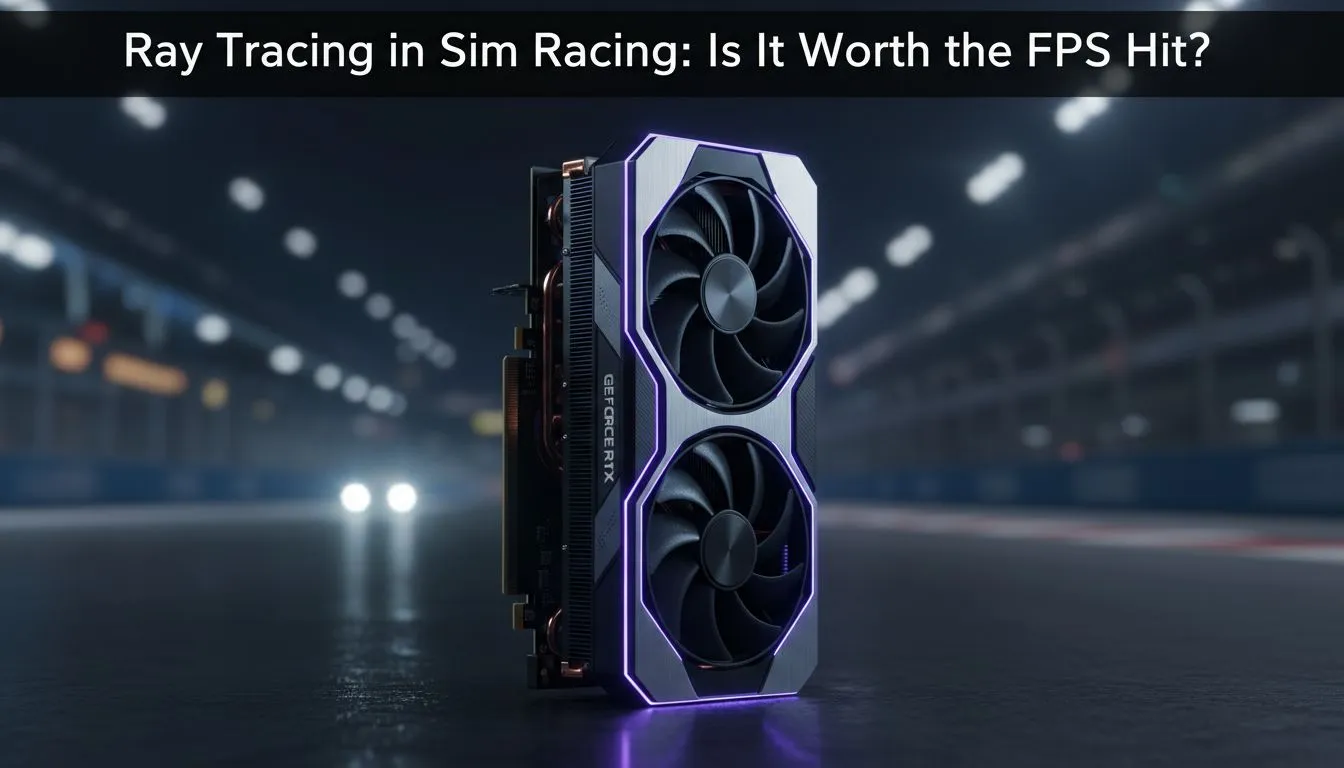
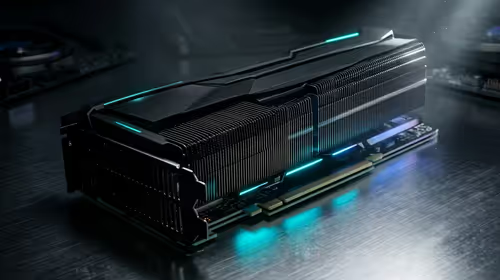
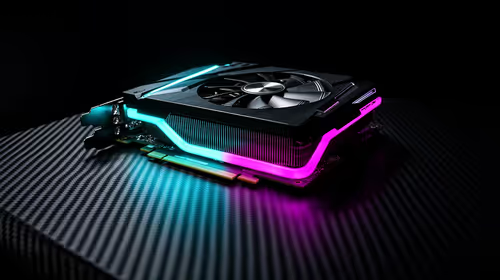
Ray tracing brings lifelike lighting to your virtual cockpit. It makes shadows softer and reflections on the windshield pop... giving you a sense of immersion that traditional lighting cannot match. However, calculating these light rays in real-time is extremely demanding. If you are running an older setup, you might see your frames per second drop significantly. To handle these heavy loads, many local gamers look toward high-end NVIDIA graphics cards to maintain a smooth experience.
Sim Racing Performance Tip 🏎️
If you enable ray tracing, always pair it with an upscaling tech like DLSS or FSR. This helps recover the lost frames while keeping the lighting improvements. In sim racing, a stable 60 FPS is the absolute minimum, but 144 FPS is the gold standard for immersion and reaction time.
Choosing the Right Hardware for the Job
Not all hardware handles ray tracing the same way. Brands like MSI offer robust cooling solutions to keep clock speeds high during intense endurance races. Checking out MSI graphics cards is a smart move for those who want stability. Even newcomers are entering the competitive fray. For example, Intel Arc graphics cards provide a budget-friendly entry point into modern ray tracing features for entry-level simulators. ⚡
Competitive Edge or Eye Candy?
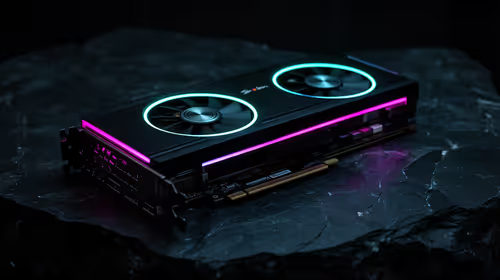
Is it worth it for competitive racing? Most pros turn it off. They prioritise high refresh rates over visual fidelity to ensure zero input lag. If you prefer raw rasterisation performance and value for money in ZAR, you might find better value in AMD Radeon graphics cards instead. Interestingly, some users even repurpose workstation graphics cards for high-end simulation builds... though gaming-specific cards usually offer better driver support for titles like iRacing or F1 24. 🏁
Ultimately, the decision depends on your goals. If you race for the spectacle and the "wow" factor, the lighting upgrade is unmatched. If you race to win, every frame is a weapon. 🏎️
Ready to Boost Your Lap Times?
Finding the balance between stunning visuals and blistering speed is easier with the right hardware. Whether you want the ultimate ray tracing experience or raw FPS power, we have the gear for you. Browse our full range of graphics cards and upgrade your sim rig today.