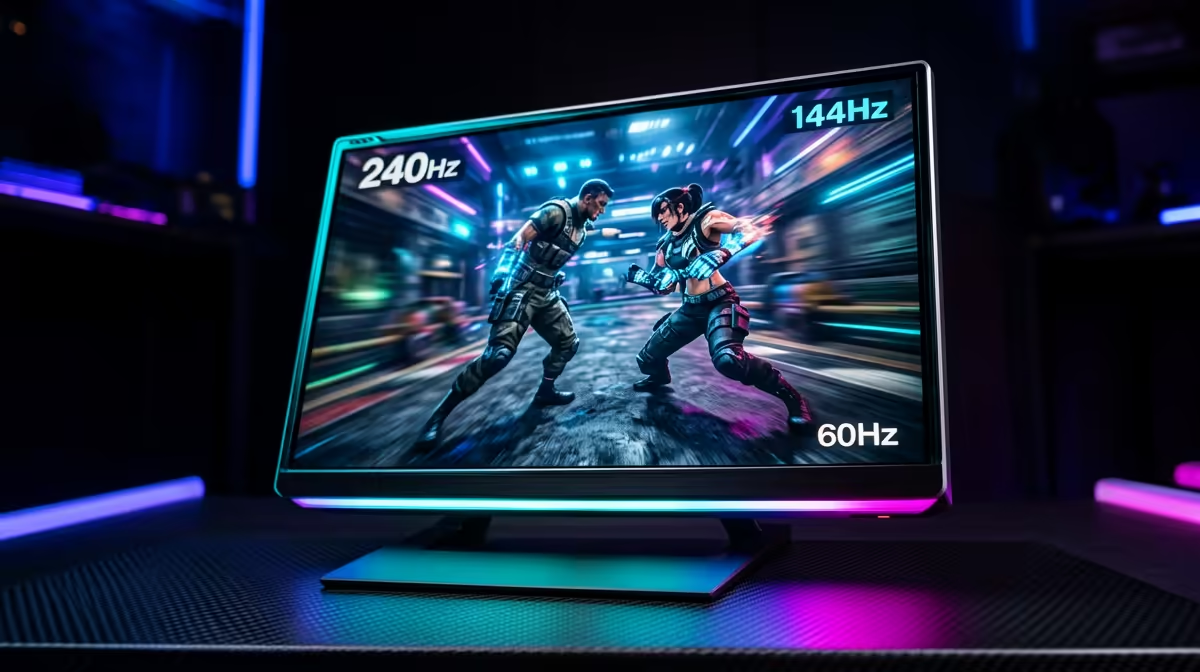
That new 240Hz monitor feels incredible, right? But the moment you enable Motion Blur Reduction for that competitive edge in Valorant, the screen goes dim… too dim. It's a classic gamer's dilemma: crisp motion or a bright, vibrant picture? What if you didn't have to choose? In South Africa, where every frame counts, getting both is key. Here's how to fix it and dominate the lobby. ⚡
Understanding the Blur vs. Brightness Problem
Why does enabling features like ULMB (Ultra Low Motion Blur) or ELMB (Extreme Low Motion Blur) tank your screen's brightness? The magic behind these features is backlight strobing. Your monitor essentially inserts black frames between the lit ones to clear up motion artifacts, giving your eyes a cleaner image.
The downside? The backlight is on for less time, which your eyes perceive as a dimmer picture. It's a clever trick, but on older PC monitors, it often forces a tough compromise.
How to Reduce Motion Blur Without Losing Brightness
Fortunately, monitor technology has evolved. Newer panels and firmware offer smarter ways to get crisp motion without sitting in the dark. Here are the steps to optimise your display.
Step 1: Dive Into Your Monitor's OSD (On-Screen Display)
Your first stop is your monitor's settings menu. Don't just look for a simple "On/Off" toggle. Modern displays often have more granular controls. Look for settings like:
- Strobe Duty / Pulse Width: This controls how long the backlight flash is. A shorter pulse gives clearer motion but less brightness. A longer pulse improves brightness at the cost of some motion clarity. Find your sweet spot.
- Clarity Level: Some monitors, like those with BenQ's DyAc+ technology, offer presets (e.g., High, Premium) that provide a pre-tested balance of clarity and brightness.
- Overdrive: This setting is separate from strobing but crucial. It speeds up pixel response time. If set too high, it can cause "inverse ghosting" (a bright trail). Set it to the highest level that doesn't produce visible artifacts.
Quick Brightness Hack 🔧
Before you even touch your monitor's blur reduction, set your in-game brightness 10-15% higher than usual. This pre-compensates for the dimming effect, often giving you the perfect balance without extra tweaking.
Step 2: Calibrate Brightness After Enabling Blur Reduction
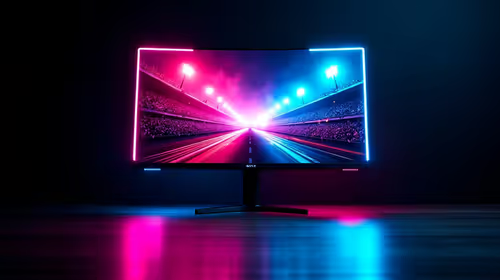
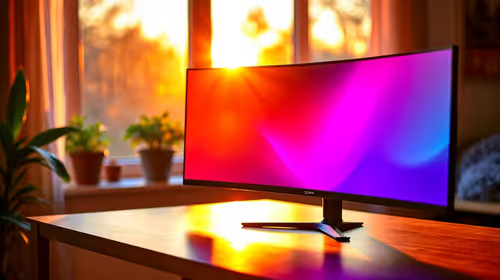
This might sound obvious, but many gamers forget. Once you've enabled your preferred motion blur reduction setting, go back to your monitor's main brightness and contrast controls. You'll likely need to crank the brightness up significantly to compensate. Don't be afraid to push it to 90 or even 100 if the picture still looks good. This is especially true for the immersion you get from today's best curved monitors, where maintaining brightness is key.
Is It Time for an Upgrade? ✨
If you've tried everything and your older 240Hz screen still feels like you're playing in a cave, its strobing technology might be the bottleneck. The latest generation of displays from brands like ASUS, BenQ, and LG have vastly improved their blur reduction tech to minimise the brightness penalty.
These newer models often achieve excellent motion clarity with only a 15-25% drop in brightness, a massive improvement over the 50%+ drop seen on older tech. Exploring the latest gaming monitors can reveal options you never knew existed. If you're looking for a good deal, keeping an eye on the best PC monitor deals in South Africa can land you a serious upgrade without breaking the bank.
Upgrade to Uncompromised Clarity Don't let a dim screen hold back your performance. Explore our curated selection of the latest displays with advanced blur reduction technology. Shop all gaming monitors at Evetech for performance that leaves lag in the dust.