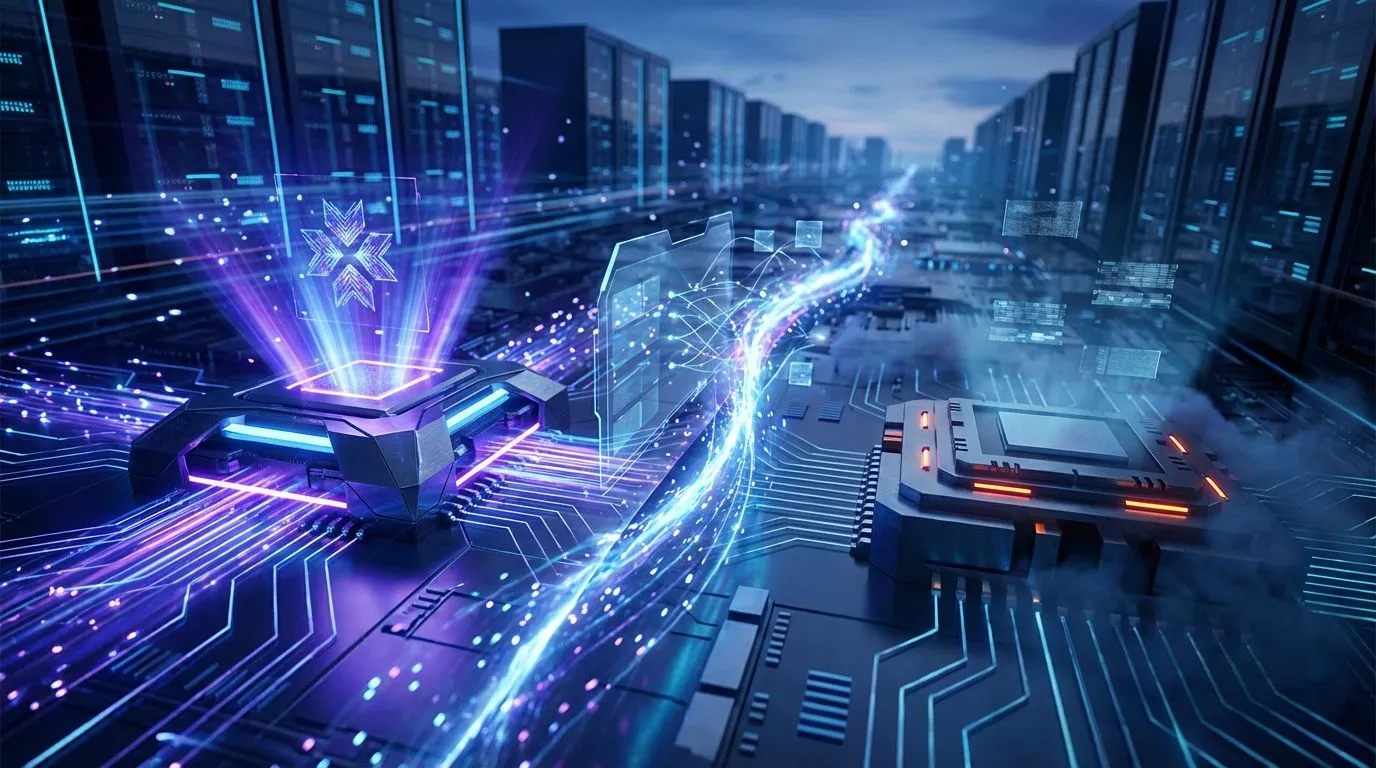
Staring at a render progress bar that barely moves? For South African creators, animators, and engineers, that lost time is lost money. The current RTX 4000 "Ada Lovelace" GPUs are powerful, but the whispers from NVIDIA's labs about the next generation… codenamed "Blackwell"... are getting louder. The big question is, what does the RTX 5000 Blackwell vs previous gen battle look like, and should you wait for the upgrade?
Decoding NVIDIA's Blackwell Architecture
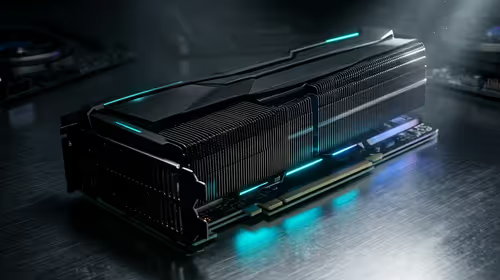
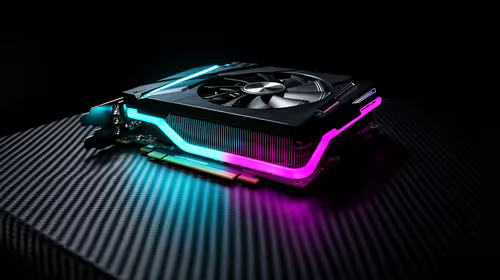
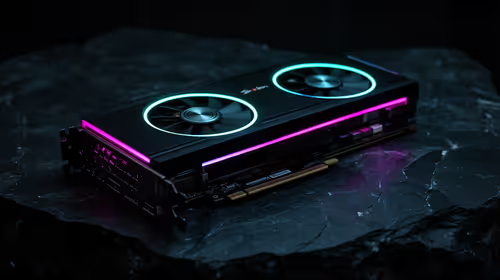
Before we dive into the specs, let's quickly get on the same page. A GPU "architecture" is the fundamental design blueprint for a generation of graphics cards. Blackwell is the highly anticipated successor to the Ada Lovelace architecture that powers the current RTX 40-series cards. While Ada focused on massive leaps in ray tracing and DLSS 3, Blackwell is rumoured to heavily prioritise next-generation AI processing and even greater efficiency. This comparison of RTX 5000 Blackwell vs previous gen workstation GPUs is all about what this new blueprint means for your workflow. For a look at the current landscape, you can browse a wide selection of NVIDIA GeForce graphics cards to see the foundation Blackwell will build upon.
RTX 5000 Blackwell vs Previous Gen: The Core Spec Showdown
While official specs are still under wraps, industry leaks and NVIDIA's own tech demos give us a solid picture of where the performance gains will be. Here’s a breakdown of the key areas where Blackwell is expected to dominate.
Memory: The GDDR7 Revolution 🚀
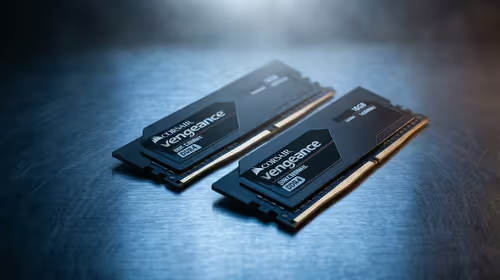
One of the most confirmed upgrades is the move to GDDR7 video memory. Think of VRAM bandwidth as the width of a highway for your GPU's data. GDDR6X in the top-tier RTX 4090 was already fast, but GDDR7 is set to offer a significant speed boost.
What does this mean for you?
- Smoother 8K Editing: Handling multiple streams of high-resolution footage in DaVinci Resolve or Premiere Pro will be seamless.
- Massive 3D Scenes: Loading complex architectural visualisations or character models with high-res textures in Blender or 3ds Max will be noticeably quicker.
- Complex Simulations: Engineers and data scientists will see faster processing of large datasets.
The performance uplift from memory alone will make today's powerful workstation graphics cards feel like a previous generation.
Processing Power & AI Cores ✨
The heart of any GPU is its core count. Blackwell is expected to pack more CUDA cores (for general processing), RT Cores (for ray tracing), and significantly upgraded Tensor Cores (for AI). This isn't just about bigger numbers; it's about smarter, more efficient processing. The AI improvements, in particular, will accelerate features you use daily, from AI-powered denoising in V-Ray to generative fill in Photoshop. When the time comes, you'll want to see how vendors like MSI's powerful offerings implement this new tech.
Optimise Your Drivers Now 🔧
Don't wait for a new GPU to get a performance boost. Always use NVIDIA's Studio Drivers, not the Game Ready ones, for creative applications. They are specifically tested and optimised for stability and performance in apps like Adobe Creative Suite, Blender, and Autodesk Maya. A simple driver swap can solve stability issues and unlock extra performance you didn't know you had.
Power Efficiency & Process Node
A consistent rumour points to Blackwell GPUs being built on TSMC's cutting-edge 3-nanometre process node. In simple terms, this means the transistors are smaller and packed closer together. The result? A massive jump in performance without a proportional increase in power consumption. This is fantastic news for South Africans conscious of electricity costs. It means you might get next-gen power without needing a monstrous 1200W power supply, making the upgrade path smoother and more affordable. It's a philosophy you can already see in some of the more balanced cards from brands like the reliable options from Palit.
Wait for Blackwell or Buy an RTX 4000 Now?
This is the million-rand question. The performance leap from the RTX 5000 Blackwell vs previous gen cards looks to be substantial, especially for AI-heavy workloads. If your current GPU is costing you time and money right now, a current-gen RTX 4070, 4080, or even 4090 is an absolute powerhouse that will serve you well for years. Waiting could mean another 6-12 months of slow renders.
However, if your current setup is still getting the job done and you want to truly future-proof your workstation for the next 5+ years, waiting for Blackwell could be the smarter play. You can start planning now by keeping an eye on product pages for the upcoming RTX 5070 or the potentially high-value anticipated RTX 5060 to be ready when they drop.
The choice comes down to immediate need versus long-term investment. Blackwell will undoubtedly set a new benchmark, but the existing Ada Lovelace cards are far from obsolete and offer incredible value today.
Ready to Power Up Your Workflow?
Deciding between waiting for the future or upgrading now is tough. Whether you need the proven power of an RTX 4000 series today or are planning for a Blackwell build, having the right hardware is key. Explore our huge range of workstation graphics cards and find the perfect GPU to crush your deadlines.