If you’ve ever tried to run Streets of Tarkov on a mid-range rig, you know the pain. Stuttering during a firefight in South African servers is a death sentence. When it comes to Tarkov L3 cache: AMD vs Intel - Which Has More? the answer determines if you get the loot or lose your kit. Let's dive into the hardware that keeps you alive.
Why L3 Cache Dictates Tarkov Performance
Escape from Tarkov is built on the Unity engine... a platform that is notoriously heavy on CPU resources. Unlike many modern shooters that rely heavily on your graphics card, Tarkov spends a massive amount of time calculating ballistics, loot tables, and AI logic. This creates a bottleneck where the CPU needs to access data instantly.
L3 cache acts as a high-speed buffer between your system RAM and the processor cores. When this buffer is larger, the CPU doesn't have to wait for the relatively slow RAM to deliver instructions. In Tarkov, this translates directly to smoother frame times and fewer of those heart-stopping stutters.
AMD’s 3D V-Cache: The Heavyweight Champion?
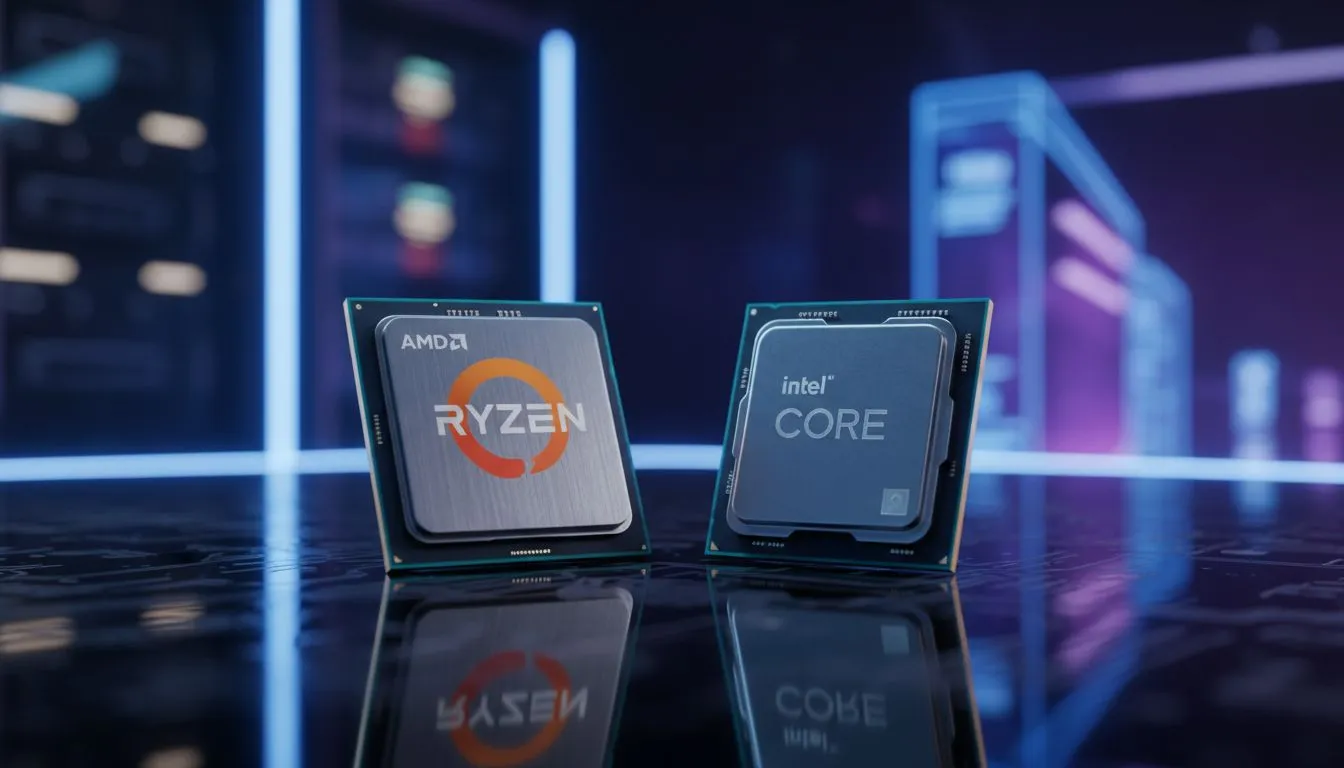
In the current market, AMD holds the crown for raw L3 capacity. Their innovative 3D V-Cache technology allows them to stack memory vertically on the processor die. This results in massive pools of cache that were previously impossible in consumer hardware.
The Ryzen 7 7800X3D, for instance, boasts a staggering 96MB of L3 cache. For a game like Tarkov, this is a literal game-changer... wait, let's say it is a massive advantage. It allows the game to keep almost all critical frame data on the chip itself. If you want to see these specs for yourself, you can browse the latest AMD CPU range to find the right fit for your socket.
Intel’s Strategy: Speed Over Storage
Intel approaches the problem differently. Instead of massive cache pools, they focus on high clock speeds and a hybrid architecture of Performance and Efficiency cores. While a top-tier i9 might only have 36MB of L3 cache, those cores are running at significantly higher frequencies than their competitors.
For gamers who play a variety of titles or engage in heavy productivity work, this trade-off is often worth it. Many local enthusiasts still choose to buy Intel CPUs because of their consistent single-core performance across the board. In Tarkov, however, you might find that Intel requires much faster (and more expensive) DDR5 RAM to keep up with the frame stability of an AMD X3D chip.
Tarkov Performance Pro Tip ⚡
To further stabilise your frames, try disabling 'Enable Binaural Audio' in the in-game settings. While the spatial sound is helpful, it is known to cause significant CPU overhead and stuttering on many hardware configurations... especially during intense firefights in high-density areas.
Choosing Your Upgrade Path in South Africa
Deciding between these two giants depends on your primary goal. If you are a Tarkov main looking for the smoothest possible experience on maps like Lighthouse or Streets, AMD’s L3 cache advantage is hard to ignore. The ZAR value per frame in Tarkov specifically leans toward the X3D chips.
However, if you use your PC for high-end video editing or streaming while you play, Intel’s extra cores provide a versatility that cache alone cannot match. When you're ready to buy CPU processors online in South Africa, consider whether you want raw Tarkov stability or a balanced multi-tasking powerhouse.
Ready to Dominate Your Next Raid? The battle between AMD and Intel is fierce, but your choice will define your Tarkov experience. For maximum frames and the best hardware deals in South Africa, we have the stock to get you back in the game. Explore our massive range of high-performance CPUs and find the perfect engine for your gaming rig.