Understanding Wolverine Frame Gen: Smoothness vs Input Lag for Combat
Combat in modern titles demands split-second timing. When you are slashing through enemies, every millisecond counts. Wolverine frame gen technology promises buttery smooth visuals, but is the trade-off in input lag worth it for South African gamers? If your parries feel sluggish, your high refresh rate monitor might be lying to you. Let’s dive into the technical reality of balancing visual fidelity with raw responsiveness.
The Visual Appeal of Wolverine Frame Gen
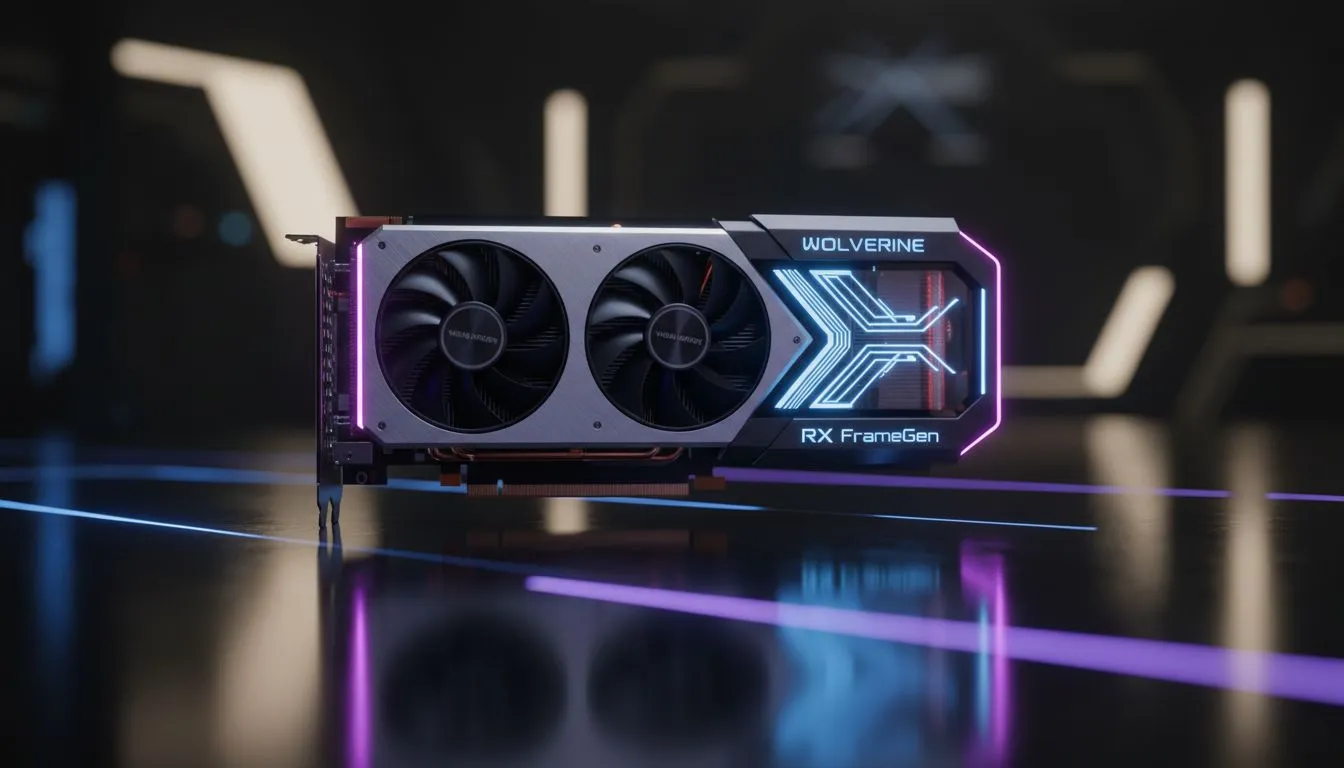
The primary draw of any frame generation technology is the perceived smoothness. By inserting AI-generated frames between traditionally rendered ones, a game can appear to run at double the frame rate. If you are using high-end MSI graphics cards, the visual clarity in fast-moving combat scenes is undeniable. The stutter vanishes... the character animations look fluid... and the overall experience feels more cinematic.
However, these "fake" frames do not contain new input data. They are a visual estimation of what comes next. For a casual explorer, this is fine. For someone locked in a boss fight where a 20ms delay means a "Game Over" screen, it becomes a point of contention.
Why Combat Latency Matters
Input lag is the time between pressing a button and seeing the action on screen. Wolverine frame gen adds a buffer because the GPU needs to analyse two real frames before it can generate the middle one. This process naturally introduces a slight delay. When you are rocking the latest NVIDIA and ATI graphics cards, you have the raw power to mitigate some of this, but the underlying physics of frame interpolation remain.
Combat Latency Pro Tip ⚡
If you find Wolverine frame gen is causing too much 'floaty' feel, try capping your frame rate slightly below your monitor's refresh rate. This can help keep the GPU buffer from overflowing, which often reduces the perceived input lag during intense combat sequences.
Balancing Performance Across Different Hardware
Not all hardware handles frame interpolation the same way. While flagship cards brute-force their way through the latency, budget-friendly options like Intel Arc graphics cards are constantly receiving driver updates to optimise this specific balance. The goal is to reach a "Goldilocks" zone where the game looks smooth enough to track targets but remains responsive enough to hit them.
For those who use their rigs for more than just gaming... perhaps for game development or rendering... professional workstation graphics cards offer a different perspective. They prioritise accuracy over trickery, reminding us that sometimes "raw" frames are better for precision work than generated ones.
The Radeon Approach to Combat Fluidity
AMD has its own take on this struggle. Many local gamers opting for AMD Radeon graphics cards utilise Anti-Lag+ features to counteract the inherent delay of frame generation. By synchronising the CPU and GPU more tightly, they can shave off those vital milliseconds. This makes the Wolverine frame gen experience feel much tighter... closer to the "1:1" feel gamers crave.
In the end, the choice depends on your genre. If you are playing a slow-paced RPG, turn the frame gen up and enjoy the view. If you are in a high-stakes combat encounter, you might prefer the raw responsiveness of a lower, but more "honest" frame rate.
Ready to Elevate Your Combat? Balancing frames and latency is an art. Whether you need raw power or AI-driven smoothness in South Africa, we have the hardware to keep you in the fight. Browse our full range of graphics cards and find your next upgrade today.