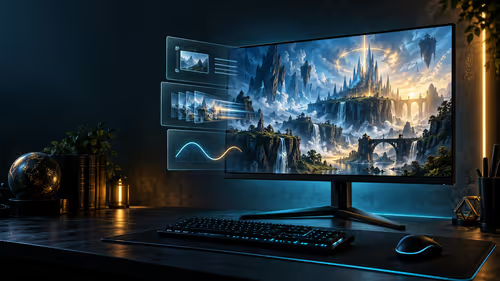
You've seen "DisplayHDR 400" on the spec sheet. It sounds impressive, right? This certification is common on many modern PC monitors, especially those designed for gaming. But when the workday starts and the spreadsheets come out, you might wonder: is DisplayHDR 400 good for office work?
The short answer is yes, it can be... but with a few important things to understand. Let's clear up the jargon.
What DisplayHDR 400 Actually Means for Your Workday
First, forget the mind-blowing contrast you see in movies. DisplayHDR 400 is the entry-level certification from VESA (Video Electronics Standards Organization). It guarantees two main things relevant to your 9-to-5:
- Peak Brightness: The monitor can hit at least 400 nits (a measure of brightness). This is brighter than many standard office monitors, which often sit around 250-300 nits.
- Colour Gamut: It can display a slightly wider range of colours than a typical SDR (Standard Dynamic Range) screen.
While it originated in the world of gaming monitors, these features have direct benefits for office tasks.
Is HDR 400 Suitable for Office Tasks? The Pros and Cons
So, how does this tech translate to your daily grind? It's a mix of pros and cons. The key is knowing if the benefits align with what you do every day.
The Bright Side ✨
A brighter screen is a huge plus if you work in a well-lit office or near a sunny window in your home office here in SA. That extra 100-150 nits can make text sharper and reduce glare, making things easier on your eyes. For creative professionals working with images or video, the slightly improved colour accuracy is a welcome bonus, even if it's not on par with true professional-grade displays.
For general productivity, the crispness that comes with a brighter panel can make text and intricate details in charts easier to read, especially on high-resolution 4K monitors where pixel density is high.
Potential Downsides to Consider
The main drawback is that DisplayHDR 400 doesn't require "local dimming," the technology that creates deep, inky blacks by dimming parts of the screen. This means you won't get the dramatic contrast that higher-tier HDR offers. For spreadsheets and documents, this is rarely an issue.
However, the constant high brightness can lead to eye strain in a dimly lit room if you don't adjust the settings. It’s not a "set it and forget it" feature for every environment.
Ergonomics Pro Tip 🔧
bright screen is only half the battle for comfort. Proper monitor positioning is crucial. Using an adjustable stand or arm allows you to set the screen at eye level, preventing neck strain. Investing in quality [monitor accessories](https: www.evetech.co.za PC-Components buy-monitor-accessories-368) can make a massive difference to your workday comfort and productivity.
The Verdict: Is DisplayHDR 400 a Good Choice for Work?
For the average South African office worker, a DisplayHDR 400 monitor is a solid choice. It offers a brighter, more vibrant display than older, standard monitors, which is great for productivity in typical office lighting. It provides a noticeable step up without the premium price tag of higher HDR certifications.
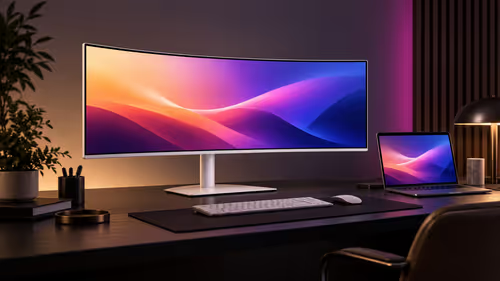
If your work is colour-critical (like professional photo editing) or you primarily work in a dark room, you might look for a higher certification. But for a versatile screen that handles emails, documents, and even some after-hours gaming, DisplayHDR 400 hits a sweet spot. The improved brightness and clarity it brings to both text and images make it a worthy feature for any modern workspace, especially when paired with the immersive comfort of curved screens or the flexibility of portable monitors for those on the move.
Ready for a Visual Upgrade? A great monitor makes all the difference, whether you're crushing deadlines or climbing leaderboards. DisplayHDR 400 is a fantastic feature for a modern, multi-purpose setup. Explore our best PC monitor deals and find the perfect display to level up your desk.