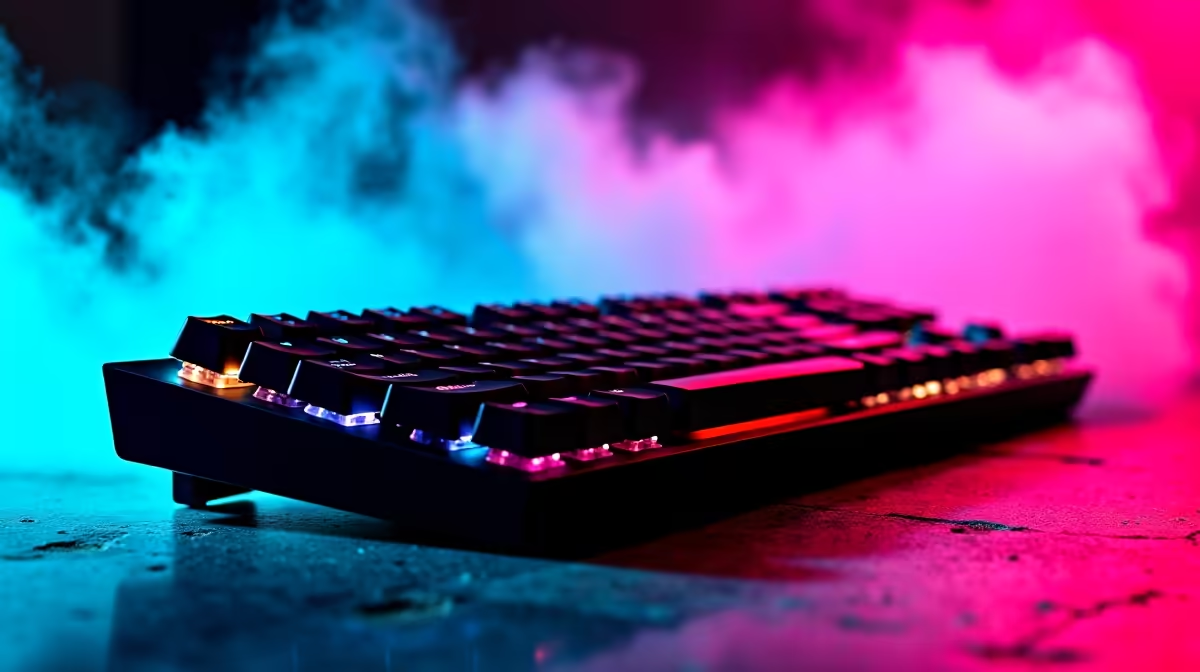
You just dropped a few thousand ZAR on a premium mechanical keyboard. You plug it in, ready to dominate your lobby... and nothing happens. The vibrant colour profiles flicker, but your keystrokes are completely dead. Before you panic, knowing how to fix mechanical keyboard compatibility issues is easier than you think. Let us get those switches clicking perfectly and get you back into the game.
Diagnosing Hardware and Port Problems 🔧
Start with the physical connection. Sometimes the specific USB port is the actual culprit. If you are plugging into a front case panel, try the direct motherboard ports at the back instead. Older systems might struggle to deliver enough juice for high-power boards. Upgrading to modern pre-built PC deals ensures you have the latest USB headers to power hungry peripherals without a hitch. Also, avoid cheap unpowered USB hubs. They frequently cause signal drops.
Untangling Software and Driver Conflicts
Next, look at your software environment. If you run multiple peripheral brands, their control hubs often fight for dominance. Always uninstall old drivers before plugging in your new gear. Enthusiast boards often use QMK or VIA for custom programming. If VIA is not detecting your device, you might need to sideload the correct JSON file. Browsing top-tier gaming keyboards is exciting... but managing five different background programs is definitely not. Keep your software lean.
Operating System and Power Quirks ⚡
What about portable setups? Mobile rigs sometimes aggressively manage USB power to save battery life. This can cause high polling rate keyboards to disconnect randomly during intense matches. If you use premium notebooks for sale in South Africa, you need to dive into your power plan settings. Disable the USB selective suspend feature to keep your connection stable at all times.
Quick Troubleshooting Tip ⚡
Open Windows Device Manager and locate your keyboard. Right-click to uninstall the device, then unplug your board. Restart your PC and plug it back in to force a completely fresh driver installation.
Sorting Out Layout Differences
Many gamers use the same peripherals for both work and play. If you switch between different operating systems, you might find your modifier keys acting strange. The Windows key and Alt key often swap places when connected to an Apple device. Most modern mechanical boards have a physical toggle switch or a quick hotkey shortcut to swap between OS modes. Always check the manual first. MacOS has its own set of rules for third-party peripherals. If your media keys refuse to work, you might need mapping software to restore full functionality.
BIOS Settings and Firmware Updates 🚀
BIOS settings can also cause major headaches. Legacy USB support might need to be toggled on or off depending on your motherboard age. If your rig is severely outdated and causing endless peripheral conflicts, it might be time to browse the best gaming PC deals to avoid these frustrating hardware bottlenecks entirely.
Finally, always check the manufacturer website for firmware updates. Brands frequently release patches to fix mechanical keyboard compatibility issues with newer Windows updates. Keep your gear updated for the best performance. If your board is genuinely faulty after all this troubleshooting, do not stress. Keep an eye on our latest tech specials for a reliable, high-performance replacement that perfectly fits your budget.
Ready for a Flawless Typing Experience? Don't let hardware conflicts ruin your gaming sessions. If your old board is beyond saving, upgrade to something better. Explore our massive range of gaming keyboards and find the perfect match to conquer your world.