The Raw Gap
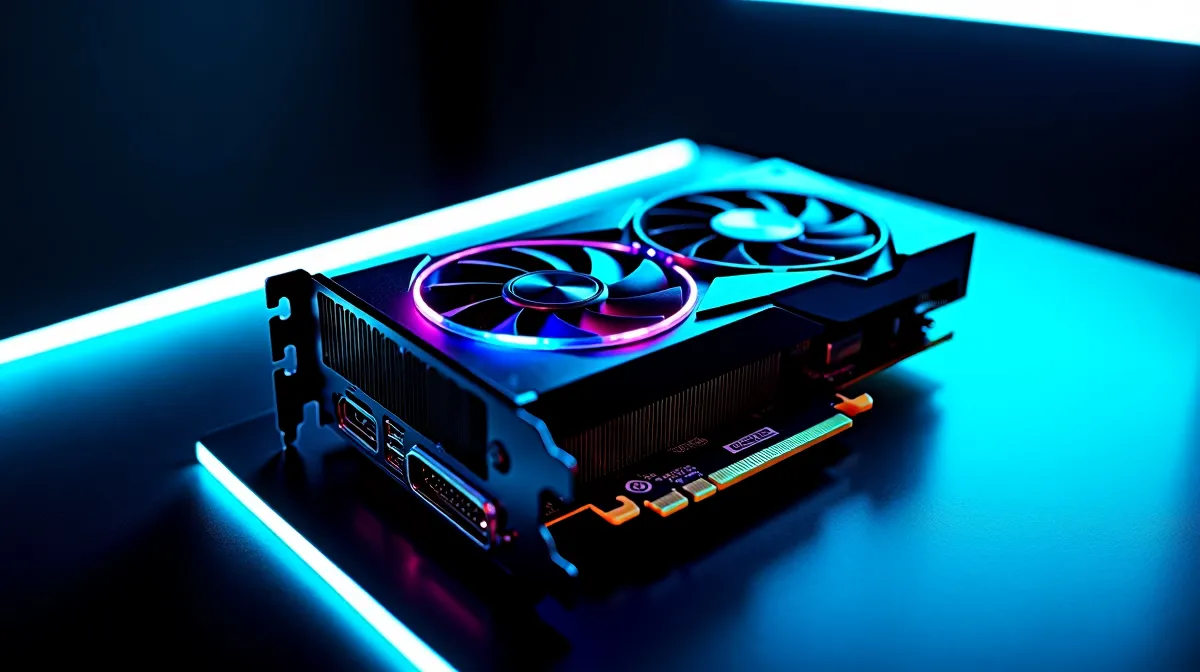
An RTX 4070 costs approximately $550 USD (MSRP) in the US. Equivalent card in SA: R9,200 (approximately $485 at current exchange rates). On face value, we're paying 11% less per rand than Americans pay per dollar. But this ignores the full picture.
But a RTX 4060 costs $250 USD. In SA, R4,500 (approximately $238). Again, appears cheaper. Yet a budget gaming PC in the USA costs R18,000–R20,000 equivalent. In SA, the same build costs R22,000–R25,000. Why the paradox?
Factor 1: Import Duties and Tariffs
Computers and components enter SA under the South African Tariff Schedule. Graphics cards fall under HS Code 8471.30.10 ("Parts and accessories of the machines of 84.71"). The tariff rate is 0% on most cases, but value-added duties and excise taxes apply. SARS (South African Revenue Service) adds approximately 5–8% to invoice value on import.
Compare to the USA, where integrated trade agreements (USMCA, WTO preferential rates) reduce effective tariffs to near zero. American buyers pay less tax per component.
Example math:
- USA: RTX 4070 invoice $500 + 0% tariff + 8.625% sales tax (state-dependent) = $543
- SA: RTX 4070 invoice $500 USD + 6% import duty + 15% VAT on total = R9,200 (before retailer margin)
Import duties alone add 6% to SA's cost base. USA taxpayers subsidise their hardware through lower import costs.
Factor 2: Exchange Rate Volatility
The rand trades against the dollar. In January 2026, 1 USD = R17.8. By July 2026, 1 USD = R18.95. That's a 6.4% depreciation. A GPU purchased at the January exchange rate cost R8,500. The same card imported in July costs R9,100—not because NVIDIA changed pricing, but because the rand weakened.
SA retailers hold inventory in rand but import in dollars. They either absorb the rand cost (reducing margins) or pass it to customers. Typically, they split the impact 50/50. This volatility tax doesn't exist for US retailers operating in stable domestic currency.
Factor 3: Retail Margins and Competition
US retail GPU market is highly competitive. Major US retailers and online stores compete aggressively. Their scale gives it cost advantages that force competitor margins down. Typical markup on a GPU: 5–8% in the USA.
SA's GPU market is smaller. Evetech, TechWarehouse, and a few others dominate. Lower volume means lower economies of scale. Typical markup: 10–15%. That margin difference (5–7%) adds R300–R700 to a R10,000 card.
US market efficiency is a function of market size and competition density. SA's smaller player pool means less aggressive pricing pressure.
Factor 4: Logistics and Shipping
A US retailer imports GPUs in bulk from manufacturer distribution centres (usually in Asia). Shipping to US ports: 3–4 weeks, cost-per-unit: $5–$10 depending on volume.
SA retailers import in smaller quantities (lower demand). Per-unit shipping is higher. A container from Asia to Durban costs R150,000–R200,000. Distributed across 500 GPUs, that's R300–R400 per unit. US bulk importers distribute across 5,000+ units per container, reducing per-unit cost to $2–$5.
Small-market logistics tax: R300–R400 per GPU added to SA cost.
Factor 5: Storage and Holding Costs
A GPU sitting on a warehouse shelf costs money: rent, electricity, insurance, capital tied up. US retailers with high inventory velocity (selling 80%+ of stock weekly) minimise holding costs. SA retailers with lower velocity hold inventory longer.
A GPU held for 4 weeks in SA storage costs approximately R100–R150 in rent, electricity, and opportunity cost. US equivalent: $10–$15. SA's smaller market means slower turns and higher per-unit holding costs.
Factor 6: Warranty and Support
US warranties are typically manufacturer-backed (NVIDIA, ASUS, etc.). Retailer support costs are minimal; issues go directly to the manufacturer.
SA law requires retailer accountability under the Consumer Protection Act. Evetech and others must maintain local support infrastructure: RMA processing, troubleshooting, replacement stock. This local support costs 2–3% of card value. US retailers outsource to manufacturers; SA retailers absorb the cost.
When you buy from a SA retailer, part of your price pays for local warranty infrastructure that US buyers don't access.
Pricing Reality Pro Tip ⚡
directly compare SA and USA GPU prices using exchange rates alone. Account for tariffs (+6%), logistics (R300–R400), local support infrastructure (+2–3%), and retail margins (+5–7% difference). A USD $550 RTX 4070 in the USA legitimately costs R9,200–R9,500 in SA due to unavoidable cost differences, not retailer greed.
Factor 7: Demand Volatility and Risk
US retailers can sell virtually any GPU within 7 days. Demand is stable. SA retailers face demand swings—a new game launch spikes GPU demand; an unexpected outage crisis tanks it (people unplug non-essential hardware during stage 5+). Retailers price in demand risk.
In weeks when demand is uncertain, SA retailers hold higher margins as insurance against inventory depreciation. US retailers rarely hold such buffers.
Why SA Isn't "More Expensive" Despite Appearances
When people say "SA hardware is expensive," they're often comparing list prices without accounting for cost structure differences. On a per-component basis, SA doesn't overpay dramatically. The perception gap exists because:
- SA doesn't have the same volume-discount retail competition with 15%+ regular discounts.
- USA affordability comes from subsidised import costs (trade agreements), not retailer generosity.
- Salary differences matter. A R10,000 GPU is 35% of an average SA gamer's monthly income. In the USA, it's 15% of average monthly income. Hardware feels more expensive in SA because income gaps are larger.
Currency Purchasing Power Context
A US gamer earning $4,500/month finds a $550 GPU costs 12.2% of their income. An SA gamer earning R18,000/month finds a R9,200 GPU costs 51% of their income. At equivalent income levels (R25,000/month in SA = approximately $1,300/month), the GPU is 36.8% of income—still nearly 3x more painful than for a US equivalent earner.
This isn't retailer pricing unfairness; it's currency and salary gap reality. SA workers face global hardware prices with local salaries. The hardware isn't more expensive; the opportunity cost is.
The Takeaway
SA GPUs legitimately cost more in rand terms due to tariffs, logistics, currency volatility, and market inefficiencies. These aren't hidden markups—they're real cost structures. Blaming retailers for "expensive" hardware misses the structural reality that SA's smaller market, import dependency, and currency dynamics create irreducible costs that US retailers don't face.
Understand the real value of your hardware investment. Browse competitively-priced GPUs at Evetech and see how local pricing accounts for SA market realities.