Remember the glory days of PC modding? Strapping a CPU cooler onto a screaming-hot graphics card was a rite of passage for many builders. The NZXT Kraken G12 was the king of this hack, turning GPU cores frosty. But that was then. With beastly RTX 40-series and RDNA 3 cards dominating the market, is this legendary bracket still relevant? We’re diving deep into the NZXT Kraken G12 compatibility landscape of 2025 to find out.
What Was the NZXT Kraken G12?
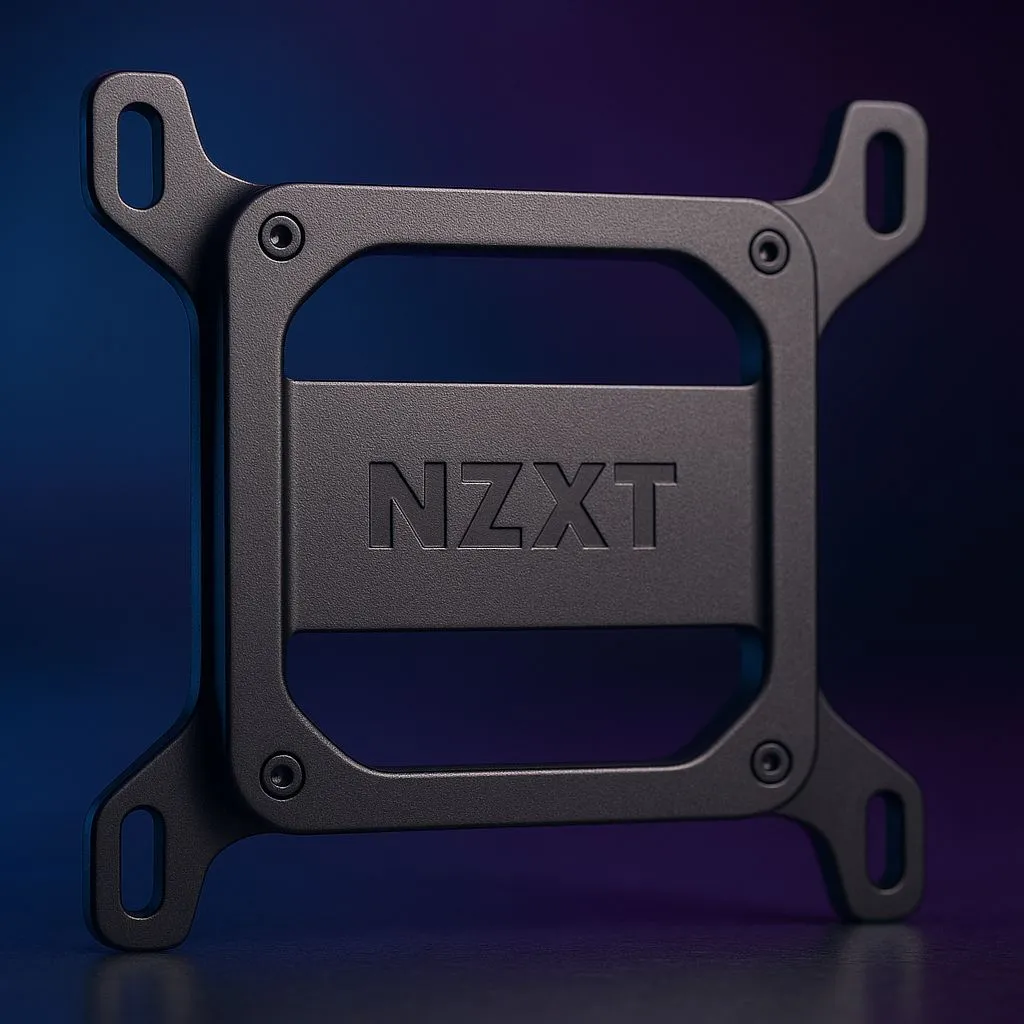
For years, the Kraken G12 was a simple, brilliant solution. It was a steel bracket that let you mount a wide range of Asetek-based All-in-One (AIO) liquid coolers directly onto your GPU's core. Paired with a decent 120mm AIO, it could slash core temperatures by 20-30°C compared to a stock blower-style cooler. For cards like the notoriously hot GTX 1080 Ti or Vega 64, this was a massive performance unlock, reducing thermal throttling and fan noise. 🔧
The package was simple: the bracket, mounting hardware, and a 92mm fan dedicated to cooling your card's Voltage Regulator Modules (VRMs) and memory chips (VRAM). It was the go-to DIY upgrade for enthusiasts chasing lower temps and higher overclocks.
The Core Problem: NZXT Kraken G12 Compatibility in 2025
Here’s the hard truth: the NZXT Kraken G12 compatibility list has effectively stalled. While it was a champion for older GPU architectures, it runs into serious, often insurmountable, problems with modern graphics cards from the NVIDIA 30-series onwards and the AMD RX 6000-series and newer.
Key Compatibility Challenges:
- Mounting Patterns: The mounting holes on GPUs like the RTX 4080 or RX 7900 XTX don't always align with the G12's fixed bracket design. Physical incompatibility is often the first roadblock.
- Component Layout: Modern GPUs have complex circuit boards. Capacitors and other small components are often placed right around the GPU die, physically blocking the G12's mounting bracket from making a secure, flat connection.
- VRAM & VRM Cooling: This is the biggest deal-breaker. 🌡️ The power delivery systems and memory on today's high-end cards produce immense heat. The G12's single, modest 92mm fan is simply not enough to cool the VRAM and VRMs on a card pulling 300-450W. While your core might be cool, your memory could be overheating, leading to instability and even permanent damage.
While the G12 was a clever hack, the modern PC builder has access to a huge variety of purpose-built PC cooling components that offer better, safer performance.
Check Your Hotspot Temp! 🔥
Modern GPUs have multiple temperature sensors. Don't just watch the 'GPU Temperature'; keep an eye on the 'GPU Memory Junction Temperature' or 'Hotspot' in tools like HWiNFO64. If this value is soaring above 95°C while your core is at 60°C, your VRAM VRMs are not being cooled effectively—a common outcome with a poorly implemented G12 mod on a new card.
The Rise of Modern GPU Cooling Solutions
The PC hardware scene has evolved significantly, making the G12's value proposition shrink. The main reason the G12 isn't a go-to anymore is that today's stock solutions are simply fantastic.
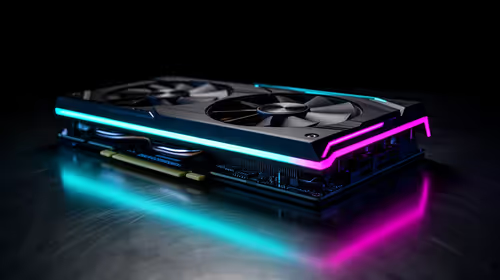
Board partners like MSI, ASUS, and Gigabyte now equip their cards with massive, triple-fan heatsinks featuring vapour chambers and intricate heat pipe designs. These coolers are engineered specifically for that card's unique thermal profile, ensuring the core, VRAM, and VRMs are all cooled effectively. In many cases, a high-end air-cooled card today performs as well as a G12-modded card from a few generations ago, but without the risk or hassle. The market for dedicated All-in-One (AIO) liquid coolers has also matured, offering incredible CPU performance out of the box.
Even the humble air cooler has seen massive innovation, with dual-tower designs that can tame the most powerful CPUs on the market.
So, Are GPU Brackets Like the G12 Dead? 🚀
For a new PC build in 2025? Yes, for the vast majority of users, the GPU bracket is a thing of the past. The risks of voiding your warranty, inadequate VRAM cooling, and potential physical incompatibility are just too high.
The smart money for a high-performance gaming rig is on a balanced approach. Invest in a powerful GPU with a well-regarded stock cooler and pair it with a top-tier CPU cooler. A high-performance 360mm radiator AIO from a trusted brand like Corsair will keep your processor running at peak speeds, allowing your GPU's excellent stock cooler to do its job without compromise.
The G12 remains a cool piece of PC history and a fun project for tinkerers with older hardware. But for your brand-new rig... it’s time to embrace the powerful, reliable, and purpose-built cooling solutions of today.
Ready to Chill Your Rig? Don't risk your expensive new GPU with outdated hacks. Modern problems require modern solutions. A powerful AIO or air cooler is the cornerstone of a stable, high-performance PC. Explore our massive range of CPU coolers and find the perfect match to keep your components frosty.