

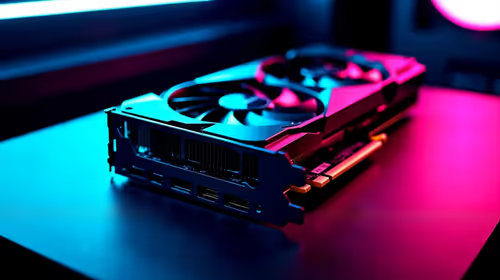
Should You Upgrade to the RX 7600 from a RTX 4090?
Should You Upgrade to the RX 7600 from a RTX 4090 Detailed answer with SA data, expert analysis & practical recommendations for local buyers.
Read moreSingle 8GB RAM stick offers a budget-friendly starting point—buy one now and upgrade later to scale performance and save money. Learn compatibility tips, tradeoffs, and upgrade steps. 🧩⚡
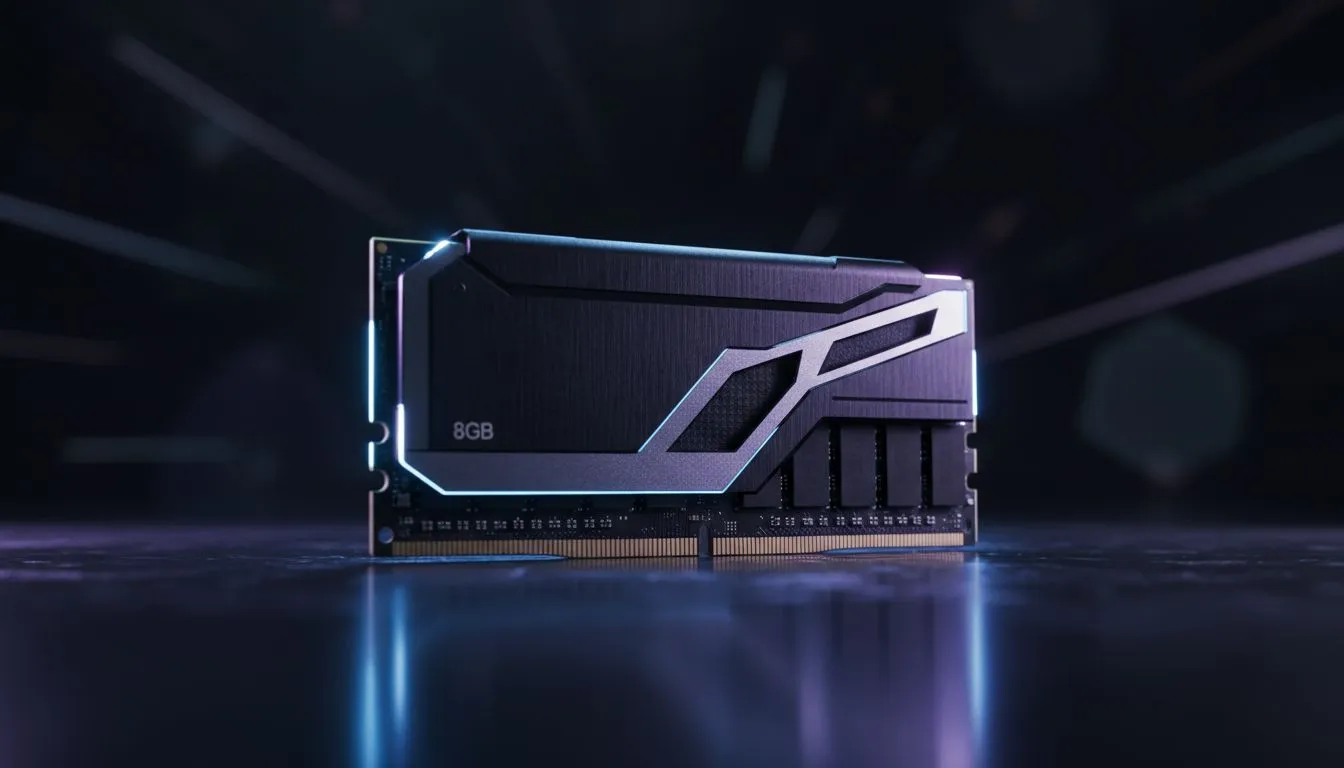
Building a new gaming PC in South Africa is an exciting journey, but let's be real… the budget can get tight, fast. You're staring at your component list, trying to squeeze every drop of performance out of your hard-earned Rands. What if the secret isn't spending more, but spending smarter? The single 8GB RAM stick strategy is a savvy move that puts immediate power where it counts most, setting you up for an easy upgrade down the line.
When you're building a rig, the graphics card usually eats the biggest slice of the budget pie. Opting for a single 8GB RAM stick frees up cash that can be the difference between a mid-tier GPU and a high-performance one. For many of today's most popular esports titles like Valorant or CS: GO, 8GB of RAM is perfectly adequate for smooth 1080p gameplay.
This approach lets you get in the game now without compromising on the component that delivers the most visible FPS gains. It’s a classic "buy small, upgrade later" tactic that has served budget-savvy builders for years, from the days of affordable DDR3 gaming RAM modules to today's faster standards.
So, what's the trade-off? Performance. Running a single stick of RAM means your system operates in "single-channel" mode. Think of it like a one-lane road for your data. When you add a second, matching stick, you unlock "dual-channel" mode, effectively opening up a second lane. This doubles the theoretical bandwidth between your CPU and memory.
For everyday tasks and many games, you might not notice a massive difference. But in CPU-heavy games or when you're multitasking… that single-channel bottleneck can show. Most modern builds use the well-established DDR4 memory standard, where the jump to dual-channel provides a noticeable boost. Starting with a single stick of 8GB RAM is a calculated compromise: acceptable performance now for a significant, affordable boost later.
Before you buy anything, check your motherboard's manual or product page. Make a note of the maximum supported RAM speed (e.g., 3200MHz, 5200MHz) and the number of DIMM slots available (usually two or four). This ensures the RAM you buy today will work perfectly with the matching stick you add later.
The beauty of the single 8GB RAM stick strategy is its simplicity. When you're ready to upgrade, you just buy a second, identical stick and pop it in. Suddenly, you have 16GB of dual-channel memory, a sweet spot for modern gaming, for a relatively small additional cost.
For those building a cutting-edge rig on a platform like AM5 or Intel's latest, starting with a single stick of next-gen DDR5 memory is the ultimate future-proofing move. You get onto the new platform now and can easily double your capacity when your needs (and budget) grow.
To make the future upgrade seamless, it's best to buy a second stick that is the exact same model as your first. Mismatched RAM can sometimes cause stability issues. Sticking to well-known, reliable brands makes finding a matching module down the line much easier.
High-quality options from brands like Kingston or a performance stick from ADATA are excellent starting points. They offer great performance out of the box and are widely available, ensuring you can find a partner for your RAM when it's time to go dual-channel. ✨
Ready to Power Up Your Build? The "buy small, upgrade later" strategy is a smart way to manage your budget without sacrificing your gaming future. A single 8GB RAM stick gets you in the game now, with a simple and affordable path to 16GB later. Explore our huge range of DDR4 and DDR5 RAM and find the perfect starting point for your rig.
Yes for budget builds and phased upgrades. A single 8GB RAM stick cuts upfront cost but may reduce dual-channel speed; add a matching stick later.
It can slightly lower FPS vs dual-channel in some titles, but many games run fine. Upgrade to two sticks for the best gaming performance.
Yes if speeds, timings and voltage match closely. Mixing works but modules will default to the slowest compatible settings.
Two 4GB sticks enable dual-channel bandwidth and can boost performance. One 8GB is cheaper and simpler to expand later.
Pick a common speed (e.g., 2666–3200MHz), standard voltage, and a reputable brand so future modules match easily.
Yes—check slot count, max RAM per slot, and supported DDR generation in the manual before buying a single stick.
Yes. Buy a single 8GB stick to save upfront cash and add another module when budget or performance needs rise.
Should You Upgrade to the RX 7600 from a RTX 4090 Detailed answer with SA data, expert analysis & practical recommendations for local buyers.
Read more
When Will the RTX 6090 Launch in South Africa Detailed answer with SA data, expert analysis & practical recommendations for local buyers.
Top Valorant Settings for RTX 5070: FPS Optimisation picks evaluated on performance, value & SA availability with current Rand pricing from Evetech.
RDNA 3.5 Graphics in Ryzen AI 400? Can You Game. Plain-English explanation of what it means, why it matters & how it affects your buying decisions in SA.

GPU Price Index : December Report. Current stock data & price tracking for SA buyers. See what is available and where prices are heading.
Core i5-14600K + B760 + RTX 5060 Build Under. Full parts list, Rand pricing & expected performance. Build confidently with SA-available components.
RX 7600 Apex Legends at 4K: FPS Benchmark. Real-world benchmark data, FPS numbers & performance analysis. What SA gamers can actually expect.
RX 7900 XTX GTA 6 at 4K: FPS Benchmark & Optimal. Real-world benchmark data, FPS numbers & performance analysis. What SA gamers can actually expect.
Head-to-head comparison of RTX 5070 vs RX 9070 XT: Gaming Performance for SA gamers. Performance benchmarks, Rand pricing & which delivers better value.
GPU Setup Guide Gamers. Clear setup instructions with SA-specific considerations, troubleshooting tips & recommended components.
Top RTX 5090 Under R12000 picks evaluated on performance, value & SA availability with current Rand pricing from Evetech.
Call of Duty Warzone 2 Settings on RX 7600. Real-world benchmark data, FPS numbers & performance analysis. What SA gamers can actually expect.
GTA 6 Settings on RTX 5070 Ti: Performance. Real-world benchmark data, FPS numbers & performance analysis. What SA gamers can actually expect.