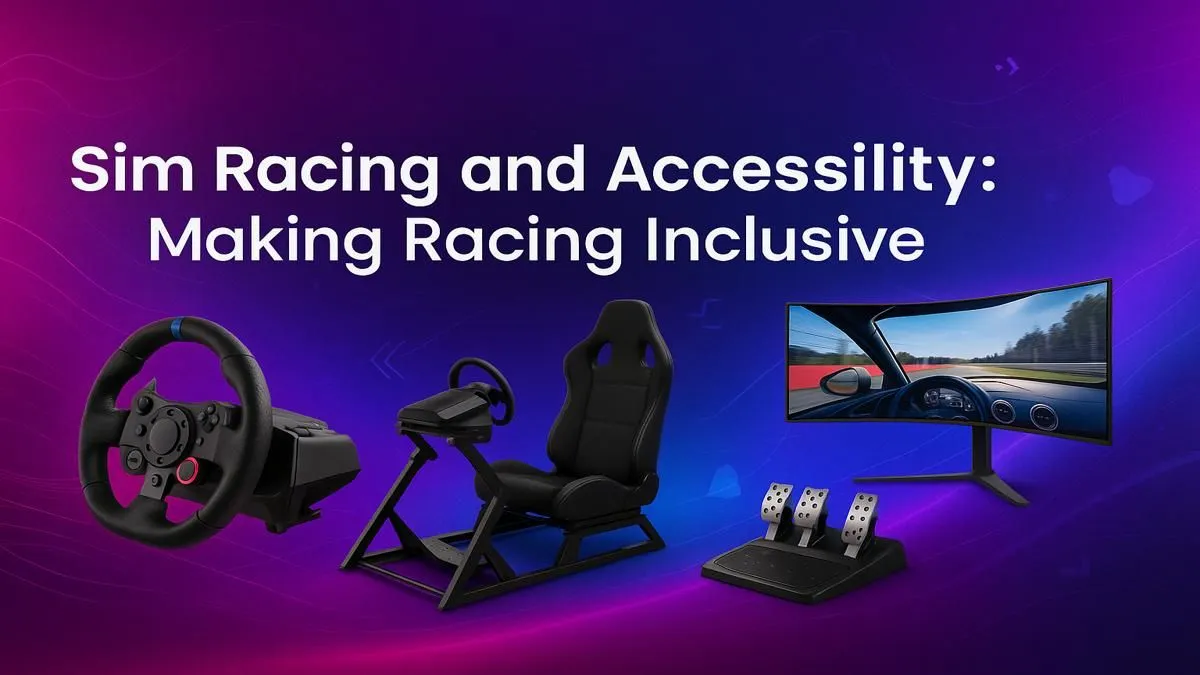
Dreaming of hitting the apex at Kyalami or kicking up dust on a virtual rally stage? For many South Africans, professional-looking sim rigs make the hobby seem wildly expensive. But here’s the secret: accessible sim racing is a reality. You don't need a multi-monitor, direct-drive setup costing tens of thousands of Rands to experience the adrenaline rush. Getting started is more affordable and straightforward than you think. 🏁
Demystifying the Cost of Virtual Racing
When you see pro setups online, it's easy to assume sim racing is reserved for the elite. Those rigs are incredible, but they represent the pinnacle of the hobby, not the starting line. The truth is, the market is filled with fantastic entry-level and mid-range gear that delivers an immersive experience without emptying your wallet.
The goal of accessible sim racing is to get you on the track, feeling the force feedback and nailing your braking points. It’s about smart choices, not just big spending. Think of it like building a custom PC; you start with a solid foundation and upgrade components over time as your skills and budget grow.
Your Starting Grid: The Sim Racing Essentials
So, where do you begin? Breaking the setup down into core components makes it much more manageable. You can get a competitive and fun experience with just a few key pieces of hardware.
The Wheel and Pedals
This is your primary connection to the virtual car. Forget using a controller; a force feedback wheel is non-negotiable for an authentic feel. It translates what the car’s tyres are doing, letting you feel the loss of grip or the bump of a kerb.
For an excellent entry point, look for gear-driven or hybrid belt-driven wheels. These offer a fantastic balance of performance and price. You'll find powerful and reliable options from top brands like Thrustmaster, providing a perfect foundation for your sim racing journey.
The Cockpit: Desk Clamp or Dedicated Rig?
Initially, a sturdy desk or table is perfectly fine for mounting your wheel. Most entry-level wheelsets come with a robust clamping system. This is the most accessible sim racing setup, as it uses furniture you already own.
However, as you get more serious, you might notice your office chair rolling back under heavy braking or the desk wobbling. This is where a dedicated cockpit can make a huge difference, providing a stable platform and a more ergonomic racing position. Thankfully, you don't have to jump straight to a pro-level rig. Foldable stands and entry-level dedicated cockpits from Playseat offer a massive upgrade in stability and immersion for a reasonable investment.
Free Immersion Boost 🔧
Your Field of View (FOV) is crucial for realism. A correct FOV makes judging braking points and apexes much easier. Don't just use the default setting! Use an online FOV calculator to match your screen size and distance from the monitor. It's a free adjustment that makes a massive difference to your driving experience and lap times.
Growing Your Hobby: The Smart Upgrade Path
One of the best parts of sim racing is the journey. Once you have your starter kit, you can plan your upgrades strategically.
- Pedals First: Many seasoned racers argue that upgrading your pedals before your wheel offers the biggest competitive advantage. Moving to a set with a "load cell" brake provides a more realistic feel based on pressure, not travel, leading to more consistent lap times.
- Wheel Base Next: From a gear-driven wheel, the next step could be a more powerful belt-driven model or even an entry-level direct-drive base for the ultimate fidelity.
- Comfort and Immersion: Finally, consider upgrades like a better seat, a larger ultrawide monitor, or even virtual reality for the ultimate experience.
This step-by-step approach makes virtual racing for everyone a tangible goal, allowing you to build your dream rig over time. It’s about enjoying the drive at every stage. ✨
By starting with a solid, budget-friendly foundation, you can dive into the thrilling world of sim racing today. You'll be surprised at how much performance and fun you can have without a massive initial outlay. Check out Evetech's complete sim racing collection to see all the options available to get you started on your journey.
Ready to Get Behind the Wheel?
The path to virtual racing glory starts with the right gear. From your first wheel to a full cockpit, building your setup is part of the fun. Explore our complete sim racing collection and find the perfect starting grid for your budget.